
Last updated November 15, 2026
 Whole-home duct cleaning
 Dryer vent cleaning
 Camera inspection
 Sanitizing & deodorizing
Whole-system duct and dryer vent check with before-and-after photos - you see exactly what came out of your vents
That "$99 whole-house special" is a bait ad - the real number appears once they are in your hallway, or the "clean" is a shop-vac at the register. We photograph the inside of your ducts before and after instead.
Seasonal Air Duct Cleaning Care for Midland: Year-Round Homeowner’s Guide
The standard advice, “schedule HVAC maintenance in spring and fall,” assumes you have a spring and a fall. Midland doesn’t really have either. Our average high climbs past 90°F in May and stays there through September, while March brings the heaviest dust events of the year. That means the usual two-tune-up rhythm misses the two periods that actually stress a West Texas duct system: the dust storms that load it up and the long cooling season that pushes it hard for months. This guide rebuilds the calendar around what Midland’s climate really does to HVAC equipment, so you know what to check and when.
Quick Answer
In Midland, the highest-value times to clean and inspect your air ducts are late winter (before dust storm season), early May (before peak cooling load), and early fall (before the heating season turns accumulated debris into circulating dust). A post-summer inspection catches what the long cooling season leaves behind. The spring-and-fall tune-up rhythm you’ll read about nationally doesn’t match a climate where summer lasts five months and dust season arrives in March.
Styles & brands we work with
- Whole-home duct cleaning
- Dryer vent cleaning
- Camera inspection
- Sanitizing & deodorizing
Table of Contents
- The Midland Seasonal Duct Calendar
- Dust Storm Season: What a Single Event Does to Your Ducts
- Before Peak Cooling Load: Prepping for 100°F+ Months
- Mid-Summer System Stress Indicators in Ductwork
- Post-Summer Inspection Before Heating Season
- Why Dryer Vent Cleaning Is a Fall Priority in Midland
- What a Professional Seasonal Cleaning Involves
- Common Mistakes to Avoid
The Midland Seasonal Duct Calendar
Air duct cleaning in Midland should follow the climate, not the national maintenance poster. Our seasons compress into a brief shoulder in late spring and early fall, bookended by dust and heat. A calendar built for a four-season climate will have you cleaning at the wrong moments and ignoring the ones that matter.
Here’s how we break the year down for a Midland home:
- February to April (before dust storm season). Do a pre-season inspection and cleaning. This is when you want ductwork as clean and unobstructed as it can be, before the heaviest dust events arrive in March.
- Early May (before peak cooling load). Confirm the system is clean and the filter setup is sound. Once the 100°F months settle in, you don’t want to discover a saturation problem mid-August.
- Mid-summer (June through August). Watch for stress indicators: condensation, pressure imbalance, airflow loss. This isn’t a cleaning window as much as a monitoring one.
- September to October (the brief fall shoulder). A post-summer inspection catches debris the long cooling season left behind, before heating mode starts circulating it.
- November to January. Dryer vent cleaning and a final air duct check as heating season begins.
The point is that the two biggest risk windows in Midland, dust season in March and peak cooling in July and August, both fall outside the standard spring-and-fall tune-up. Rebuilding the calendar around them is the difference between a system that holds up and one that slowly loads with debris nobody notices until airflow drops.
Dust Storm Season: What a Single Event Does to Your Ducts
A single significant dust storm can saturate a filter and push fine debris past it into the ductwork. When the filter loads up faster than normal, air keeps moving but the filter stops capturing, and the particulate that should have been caught travels into the return and supply runs. That’s how a clear spring day turns into a dusty summer.
West Texas dust is fine and abrasive. It doesn’t stay on a filter surface the way larger household dust does; it packs into the filter media and, once the media is loaded, the bypass path becomes the path of least resistance. For homes in Midland, the practical result is that a filter that would last months in a calmer climate can be overwhelmed by one bad March week.
After a significant dust event, a proper inspection should check, in order:
- The filter itself, for saturation and bypass gaps around the frame.
- The return plenum and the first run of return duct, where bypassed debris tends to collect first.
- The supply registers, for visible dust trails or reduced flow.
- The blower compartment, for dust that has been pulled through.
- Any flexible duct connections, where a loose joint lets unfiltered air in.
If the post-storm check shows heavy accumulation, a cleaning with air duct cleaning equipment that captures debris under negative pressure keeps it from being redistributed into the living space. Consumer-grade blowers and shop vacs can’t do this; they move the dust from one place to another. Professional-grade equipment holds it. That’s the whole reason dust storm season is the single most important cleaning window on the Midland calendar.
Before Peak Cooling Load: Prepping for 100°F+ Months
Midland’s average high exceeds 90°F from May through September, and the system runs near-constantly for five months. Before that load begins, you want the ductwork clean and the airflow unobstructed, because a partially blocked system running flat-out all summer is where pressure imbalance and airflow loss start.
Early May is the right moment for a pre-season check. The thinking is simple: a duct system with a clean, low-restriction path moves air efficiently; a loaded one forces the blower to work harder and creates the pressure differences that draw dust in through the very gaps you’re trying to seal. What “prepped for peak load” looks like:
- Clean the duct runs. Remove accumulated dust so the system has a clear path before the long run.
- Inspect the filter setup. Confirm the filter is sized and seated correctly and there’s no bypass around the frame.
- Check for loose or disconnected joints. A gap in a supply or return run lets unconditioned air in and conditioned air out. Sealing those is part of air duct repair, which belongs on the same visit, not a separate trade.
- Test airflow at the registers. Uneven flow between rooms is a symptom worth catching before August, not after.
A pre-season cleaning before peak cooling isn’t about comfort for its own sake. It’s about giving the system the least resistance possible for the months it can’t rest. In Midland, that window closes fast once the heat settles in.
Mid-Summer System Stress Indicators in Ductwork
July and August are when ductwork in Midland shows its stress. The system runs under continuous load, and the conditions inside the ductwork change. Here’s what to watch for, and what causes each in West Texas summers.
Condensation
In a high-demand cooling season, supply ducts carry cold air into warm attic or chase spaces. If the duct insulation is compromised, you get condensation on the duct surface, and that moisture can feed dust into a sticky film inside the run. Visible moisture on or around supply runs mid-summer is a red flag, not a normal condition.
Pressure imbalance
When some runs are partially loaded with debris and others aren’t, the system develops uneven pressure. You’ll feel it as rooms that cool poorly while others freeze out. That imbalance also draws unfiltered air in through weak joints, which compounds the loading.
Airflow loss
Airflow loss is the most obvious indicator: the system runs and runs but the house doesn’t get cool. Before you blame the equipment, check the ductwork. A long cooling season with a loaded filter and saturated runs is a common path to weak flow at the registers.
Mid-summer isn’t usually a cleaning window; it’s a monitoring window. If you see any of these, the right move is a scheduled air duct cleaning and inspection rather than waiting for the fall check. In our experience, homeowners in Midland who catch pressure imbalance in July save themselves the fall scramble.
Post-Summer Inspection Before Heating Season
After the cooling season ends, the ductwork holds whatever the summer left behind. That debris sits quietly until heating mode starts, and then it gets circulated through the house. A post-summer inspection before you switch the system to heat is the window that catches it.
This is the calendar point most national guides skip entirely. In a four-season climate, fall is a natural moment to tune up before winter. In Midland, the shoulder season is compressed to weeks, so the post-summer check has to be deliberate rather than assumed. What the inspection should cover:
- The full duct run, for dust and debris accumulation that built through the cooling season.
- Joints and seams, for gaps that opened or widened in the heat.
- The blower and return side, for dust that bypassed the filter during peak load.
- Supply registers, for the first signs that heating-mode airflow will push accumulated dust into rooms.
Cleaning before heating season is what stops the fall dust from becoming the winter dust. If the inspection turns up damaged or disconnected ductwork, it’s worth handling on the same visit through Duct Cleaning Midland rather than scheduling a second contractor. Clean, repair, done, on one visit, before the first heating-mode cycle pushes debris into the living space.
Why Dryer Vent Cleaning Is a Fall Priority in Midland
Dryer vent cleaning is a fall priority in Midland because lint accumulation plus heating season creates the year’s highest fire-risk window. As the weather turns and the heating system comes on, the dryer runs alongside more heat sources, and a clogged vent has less margin. The vent is a fire risk waiting to be cleared, and fall is the moment to clear it.
Lint builds up in the vent run over months of regular laundry use. It’s combustible, and it’s dry. A vent that’s partially blocked also forces the dryer to run longer and hotter to do the same job, which adds to the risk. As we move into heating season, that’s a dangerous combination: a hot appliance with a restricted exhaust path.
What a thorough vent check should verify:
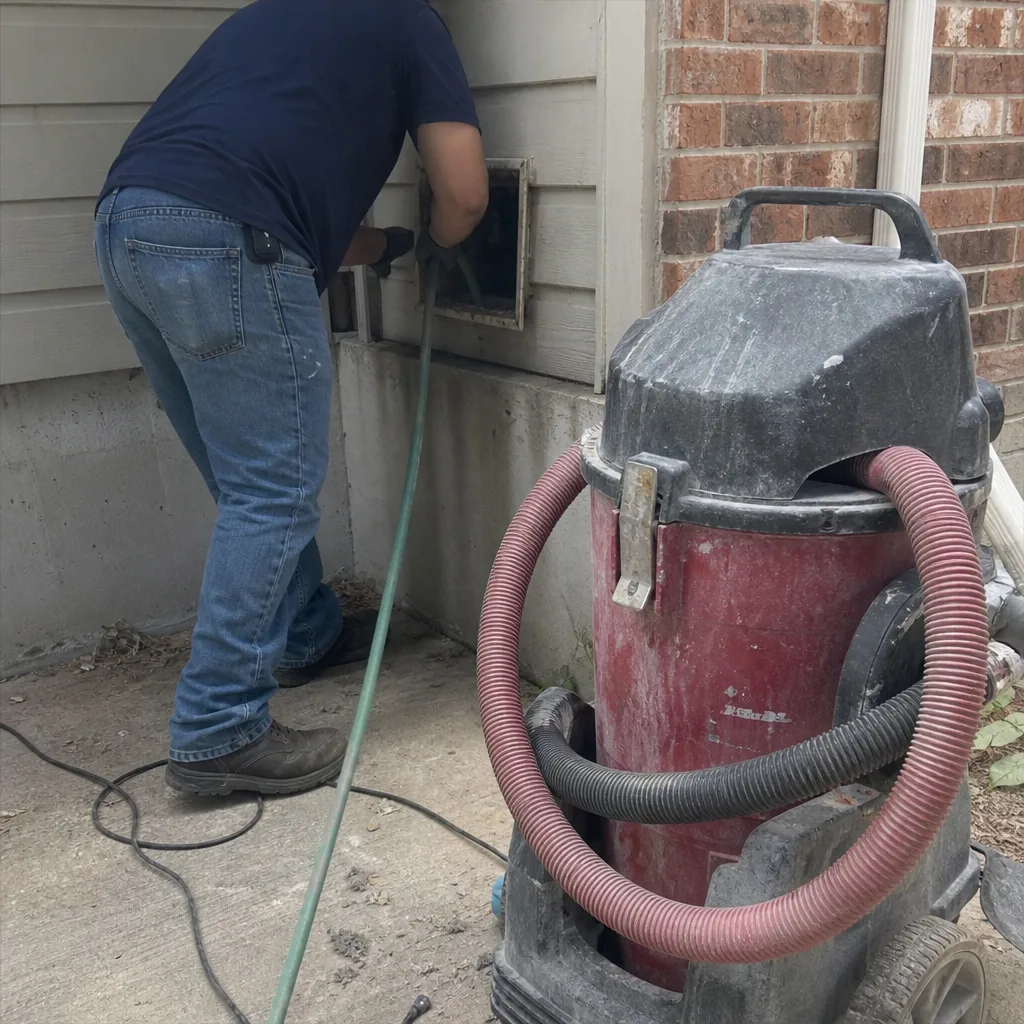
- The whole run, not just the first few feet. Lint packs deeper into the vent than the visible section shows.
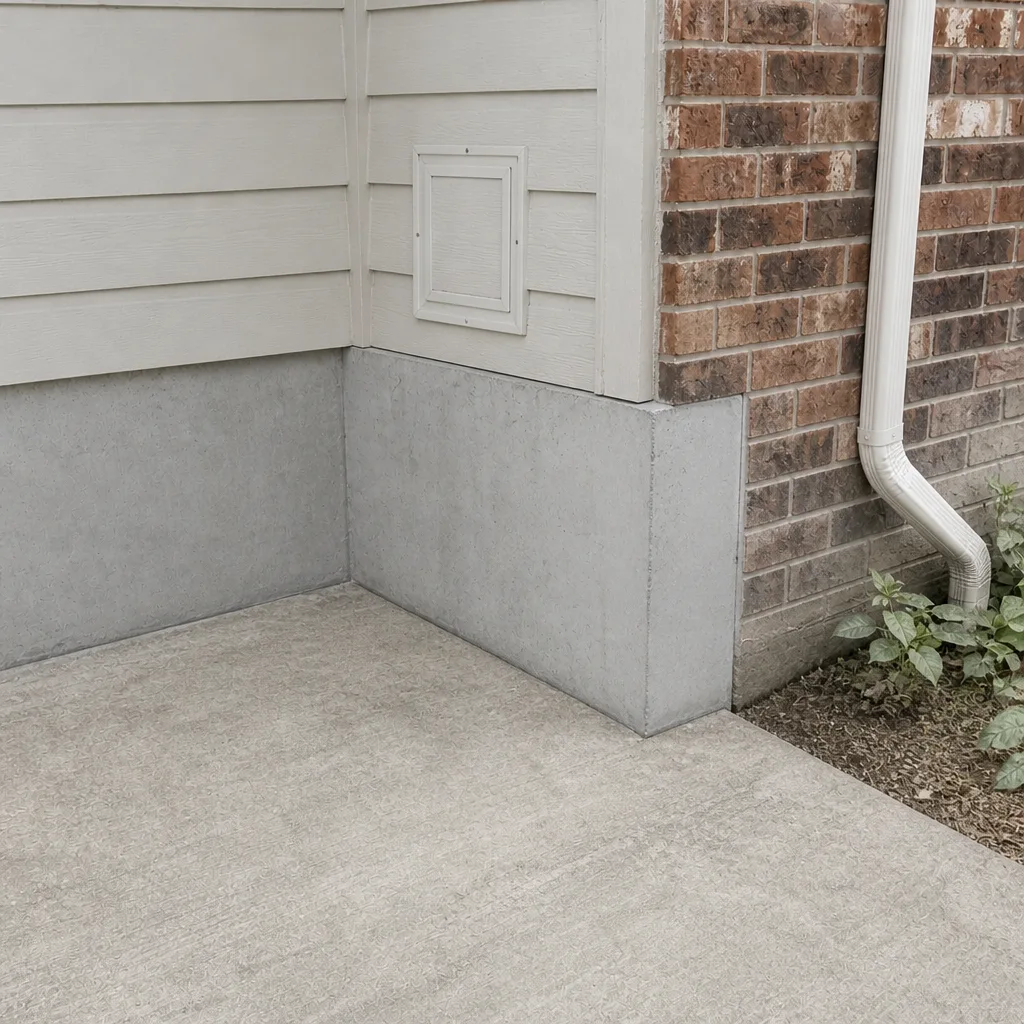
- The exterior termination. A flapper that doesn’t open freely is a restriction; a hood full of lint is a hazard.
- The transition duct behind the dryer. A crushed or kinked foil duct is a common restriction point.
- Airflow at the termination. If a professional check shows weak exhaust flow, the vent needs clearing.
We frame dryer vent cleaning around risk reduction and process, not guaranteed outcomes. The point is to lower the fire risk from lint accumulation before heating season, and to verify the vent is clear, not just assume it. In Midland, that makes fall the right moment, because that’s when the risk window is at its highest. Our technicians have up to 8 years of experience with this equipment, and we use it to confirm the vent is genuinely clear, not just cleaner-looking at the visible end.
What a Professional Seasonal Cleaning Involves
A professional cleaning at any point in the Midland seasonal calendar should use two stages: mechanical dislodging and negative-air capture. Single-tool approaches do one and skip the other, which is why the results vary so much from company to company.
Here’s what a thorough job looks like, in order:
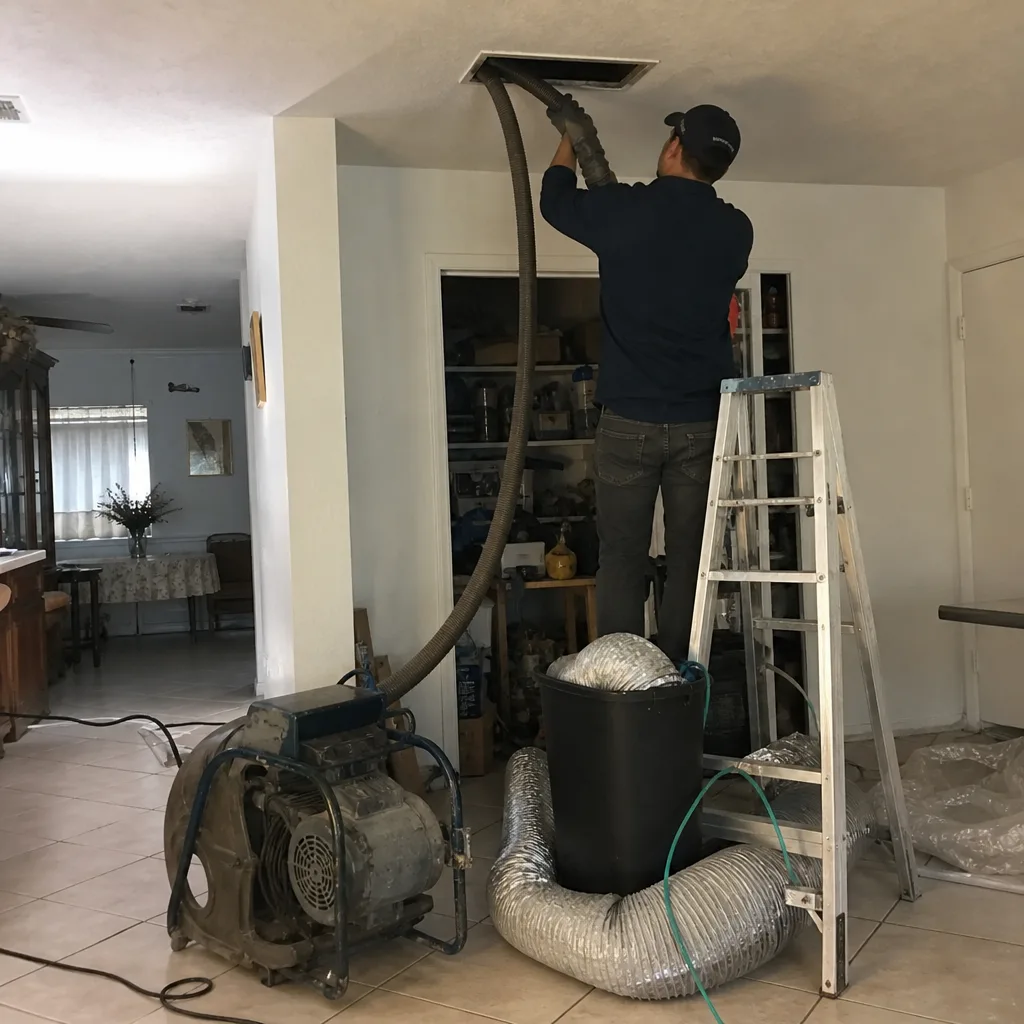
- Set up negative pressure. Nikro HEPA vacuum equipment pulls a negative air pressure inside the ductwork so debris is captured, not pushed into rooms.
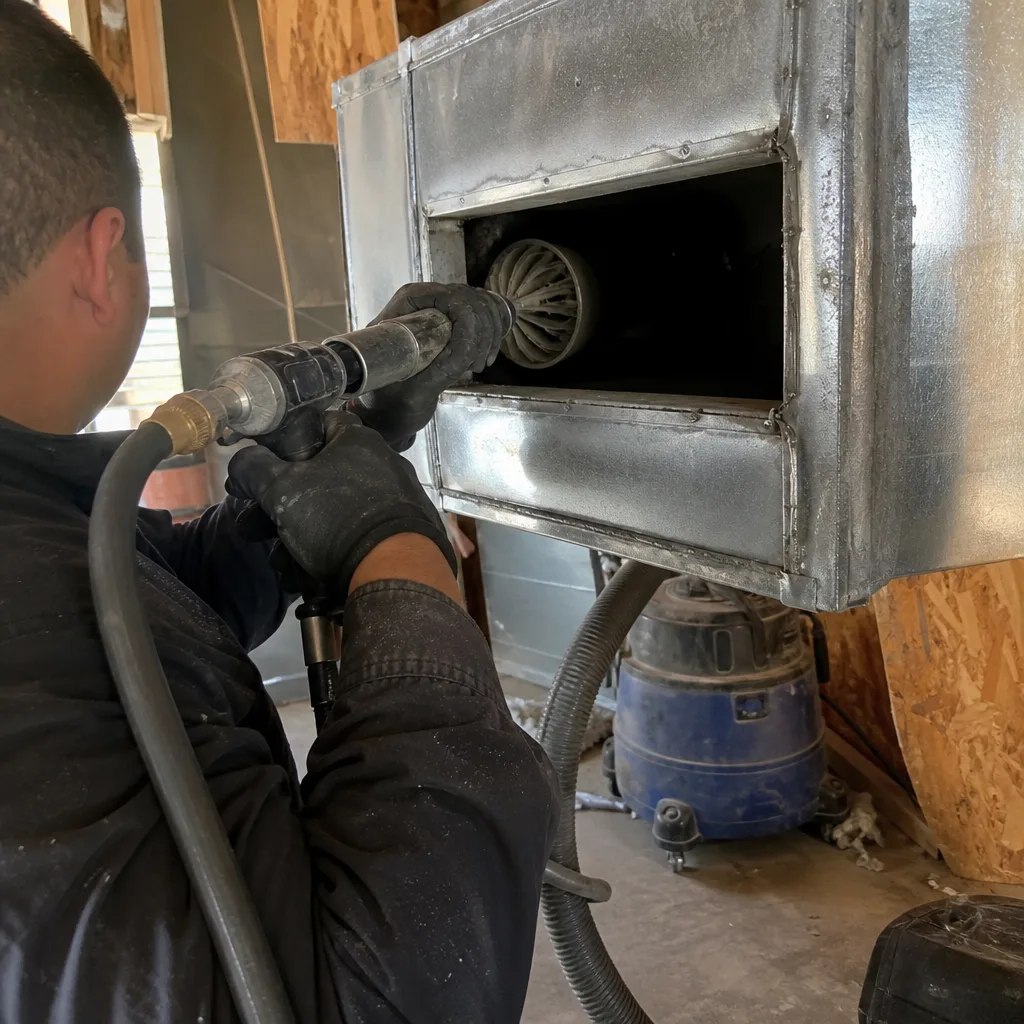
- Dislodge the debris mechanically. Rotobrush rotary brush systems physically scrub the duct walls. Brushes reach the surface a blower can’t touch.
- Contain particulates on site. Abatement Technologies air filtration runs during the cleaning to hold contaminants rather than letting them redistribute into the living space.
- Clean around the filtration system, not through it. If the home has a Honeywell or Aprilaire setup, cleaning is done in a way that doesn’t compromise the filtration system’s performance.
- Inspect and repair. Loose joints, gaps, and disconnected runs get sealed or reconfigured the same visit, so you don’t need a second trade.
- Confirm with before-and-after photos of your own ducts. The visual check is what tells you the work was actually done, not just billed.
Industrial-grade equipment, residential care: naming the tools matters because the tool quality is the proof of work quality. In Midland, where dust storm season is the highest-load window on the calendar, the cleaning method has to keep up with what the dust leaves behind. Guardsman-brand experience also means familiarity with professional-grade protective treatments, where they’re relevant to the system.
Common Mistakes to Avoid
- Following the national spring-and-fall tune-up. Midland’s season structure doesn’t match a four-season climate. Cleaning in May and September is fine, but if dust storm season in March is skipped, the cleanup window is missed entirely.
- Skipping the post-dust-storm inspection. A single bad March week can saturate a filter and bypass debris into the ductwork. Not checking afterward means the debris sits there through the whole cooling season.
- Waiting until the system can’t keep up. By the time airflow loss is obvious in mid-summer, the ductwork is already loaded. The check belongs before peak cooling load, not after it fails.
- Skipping dryer vent cleaning in the fall. Lint accumulation plus heating season is the year’s highest fire-risk window. Treating the vent as a convenience item rather than a safety item is a mistake.
- Deferring duct repair. A disconnected or loose joint that opens during the cooling season won’t close on its own. Fix it at the post-summer inspection, not the next heating season.
- Hiring on coupon price alone. A low teaser price that becomes a larger invoice once the technician is on site is the industry’s bait-and-switch problem. Ask for one flat price per system, agreed before work starts, plus before-and-after photos of your own ducts.
- Cleaning through the filtration system. If you have a Honeywell or Aprilaire setup, the cleaning has to be done around it. Cleaning through it can compromise the system’s performance.
See the difference
 Before
 After
 Before
 After
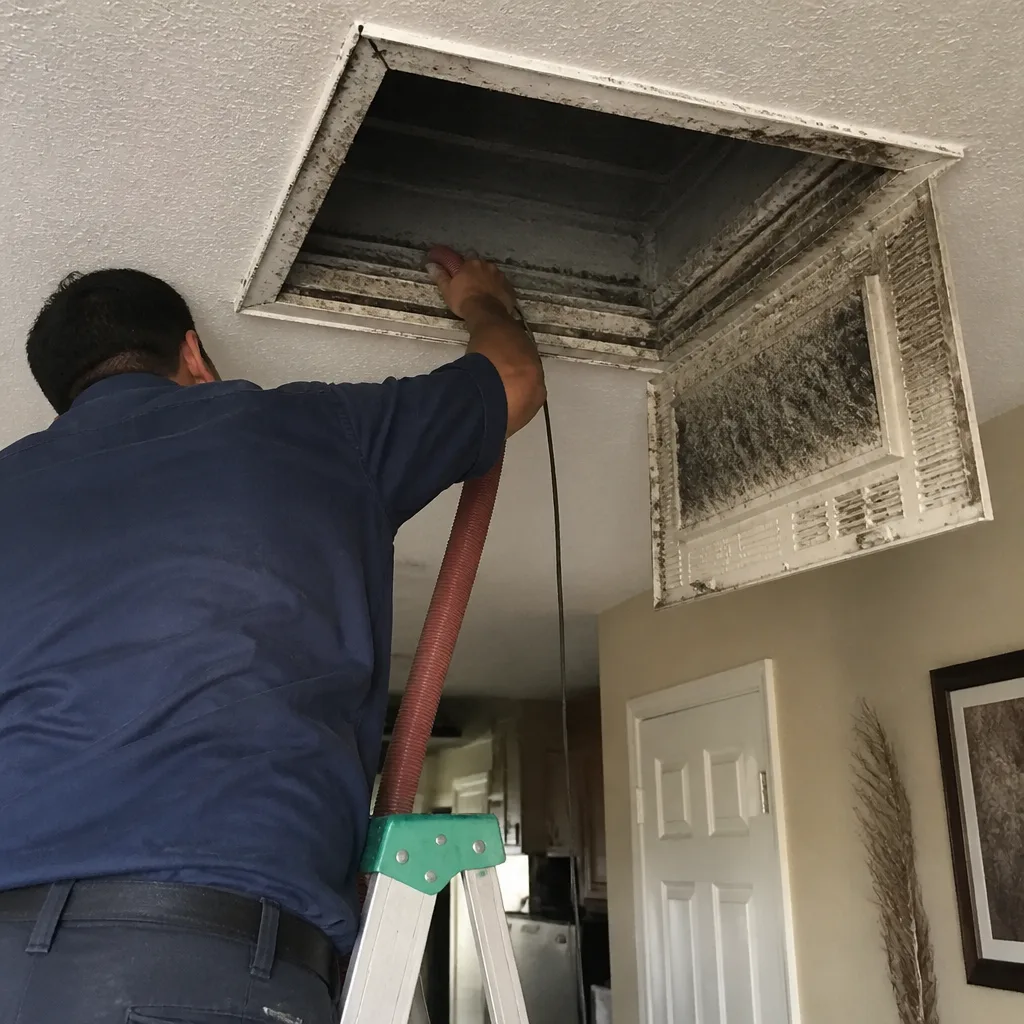 Before
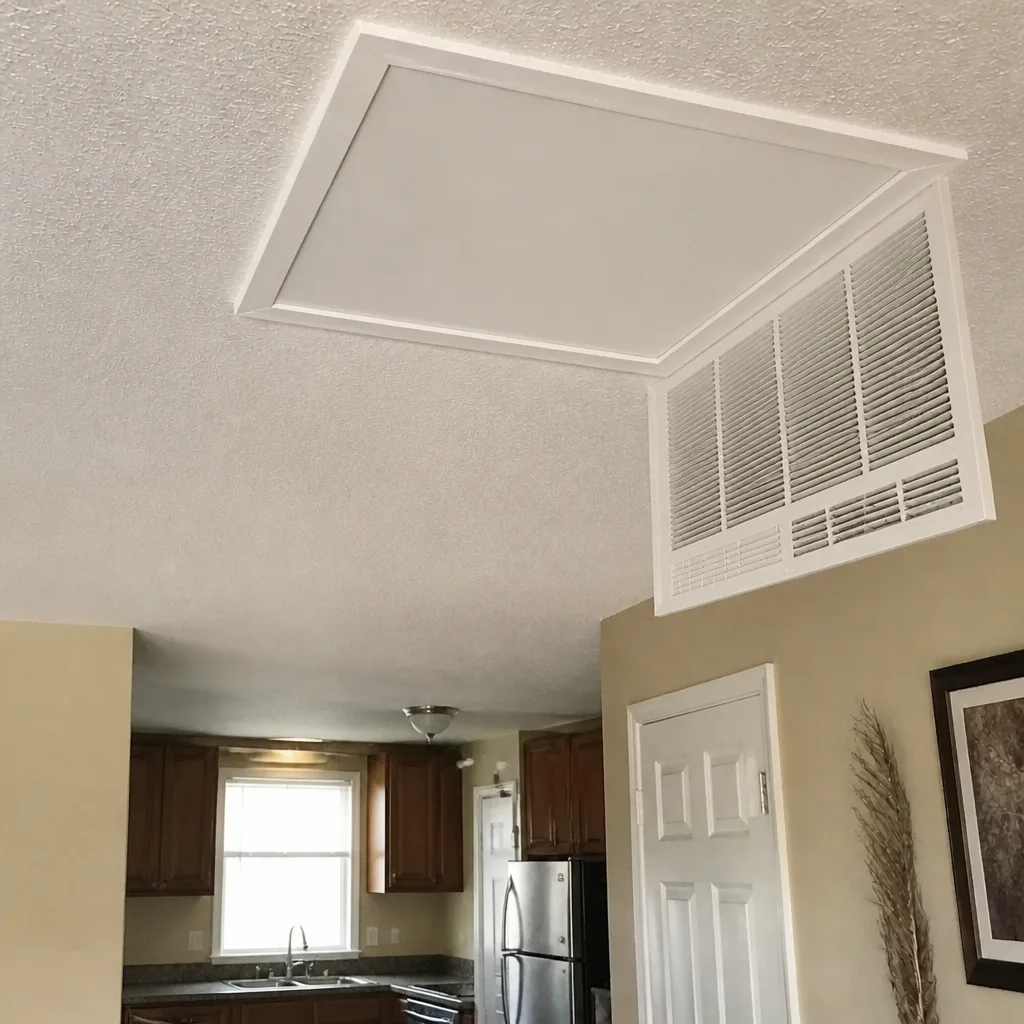 After
When to Call a Professional
The right moment to call is when the seasonal calendar points to it, not when the symptoms become urgent. In Midland, that means before dust storm season in February, before peak cooling load in early May, and after the cooling season in September. Call sooner if you see visible dust trails at supply registers, smell musty odors when the system runs, notice airflow loss between rooms, or spot moisture on or around supply ductwork mid-summer. Call immediately if the dryer vent check shows weak exhaust flow or visible lint accumulation at the termination.
A seasonal cleaning is not the same as a periodic tune-up in a calmer climate. It’s a deliberate response to what Midland’s dust and heat do to the system. Duct Cleaning Midland offers free estimates in Midland, so the written estimate sets the exact price before any work begins. Call (844) 382-8255 and we’ll walk through the calendar with you and schedule the right window. We answer 24/7. Fast dispatch from 7am to 7pm, Sunday through Friday.
Frequently Asked Questions
For most Midland homes, a cleaning at least once a year, timed to the dust storm and cooling season calendar, is a sensible baseline. If you’re in a dust-prone area or have done major work on the system, an extra check after a significant dust event is worth it. Call (844) 382-8255 for an exact schedule and quote for your home. Estimates are free.
The best windows are late winter (before the March dust events), early May (before peak cooling load), and early fall (before heating season). These are the periods that matter in Midland’s climate; the national spring-and-fall advice is less useful here. Call (844) 382-8255 if you’re not sure which window fits your system.
Yes, when it saturates a filter and pushes fine debris past it into the return and supply runs. West Texas dust is fine and abrasive, and once the filter media is loaded, the bypass path becomes the path of least resistance. A post-storm inspection is the way to confirm and address it. Call (844) 382-8255 for an inspection quote.
Lint accumulation plus heating season creates the year’s highest fire-risk window. Cleaning the vent in fall clears the combustible lint before the heating system and dryer are running alongside more heat sources. It’s a safety priority, not a convenience. Call (844) 382-8255 to schedule a vent cleaning.
Airflow loss in a Midland summer usually means the ductwork is loaded with debris or the filter is saturated, not that the equipment has failed. A pressure imbalance between rooms is the first warning sign. An inspection confirms the cause before you start troubleshooting the equipment.
Ask for before-and-after photos of your own ducts, and for one flat price per system agreed before work starts. Those two things separate a provable job from a claim. Our technicians have up to 8 years of experience with Rotobrush and Nikro equipment, and the photos are part of the job. Call (844) 382-8255 for a free estimate.
The Bottom Line
Midland’s climate doesn’t follow the national HVAC calendar. Dust arrives in March, heat runs from May through September, and the shoulder seasons last weeks. Build your duct maintenance around those facts: clean and inspect before dust season, prep before peak cooling load, watch for stress indicators mid-summer, inspect after the cooling season and before heating, and treat dryer vent cleaning as a fall safety priority. Use professional-grade equipment that dislodges and captures debris, not single-tool blowers, and insist on one flat price per system agreed before work starts. That’s the seasonal rhythm that actually holds up here. For a free estimate, call (844) 382-8255. We answer 24/7. Fast dispatch from 7am to 7pm, Sunday through Friday.
Written by the team at Duct Cleaning Midland.