
Last updated November 15, 2026
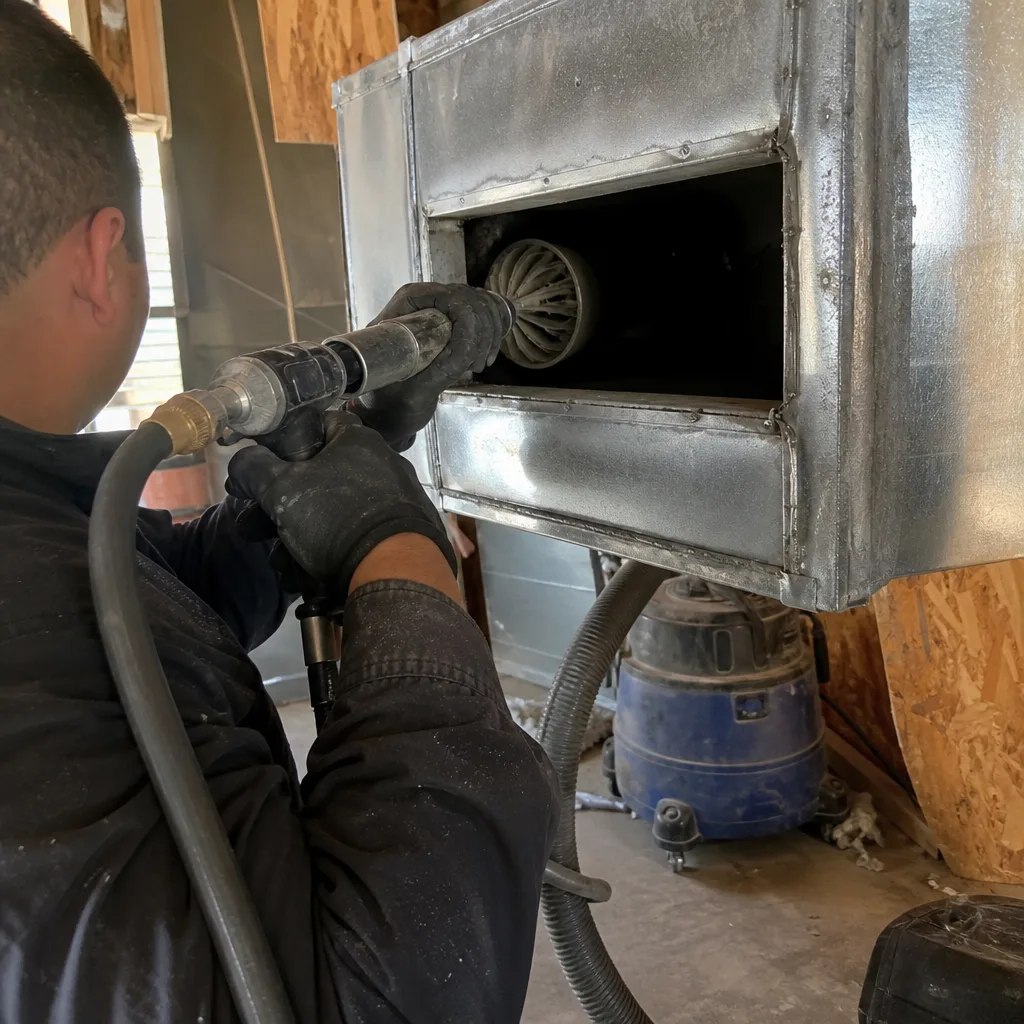
 Whole-home duct cleaning
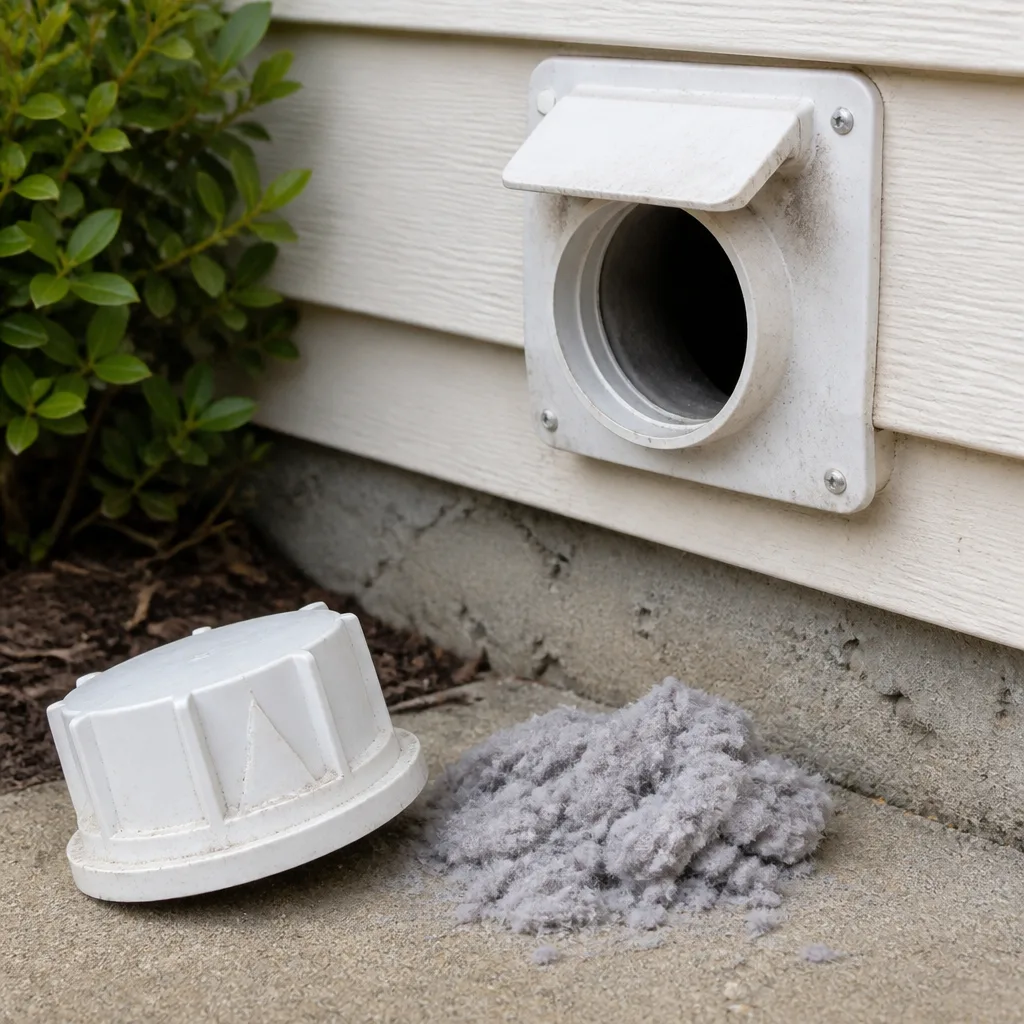 Dryer vent cleaning
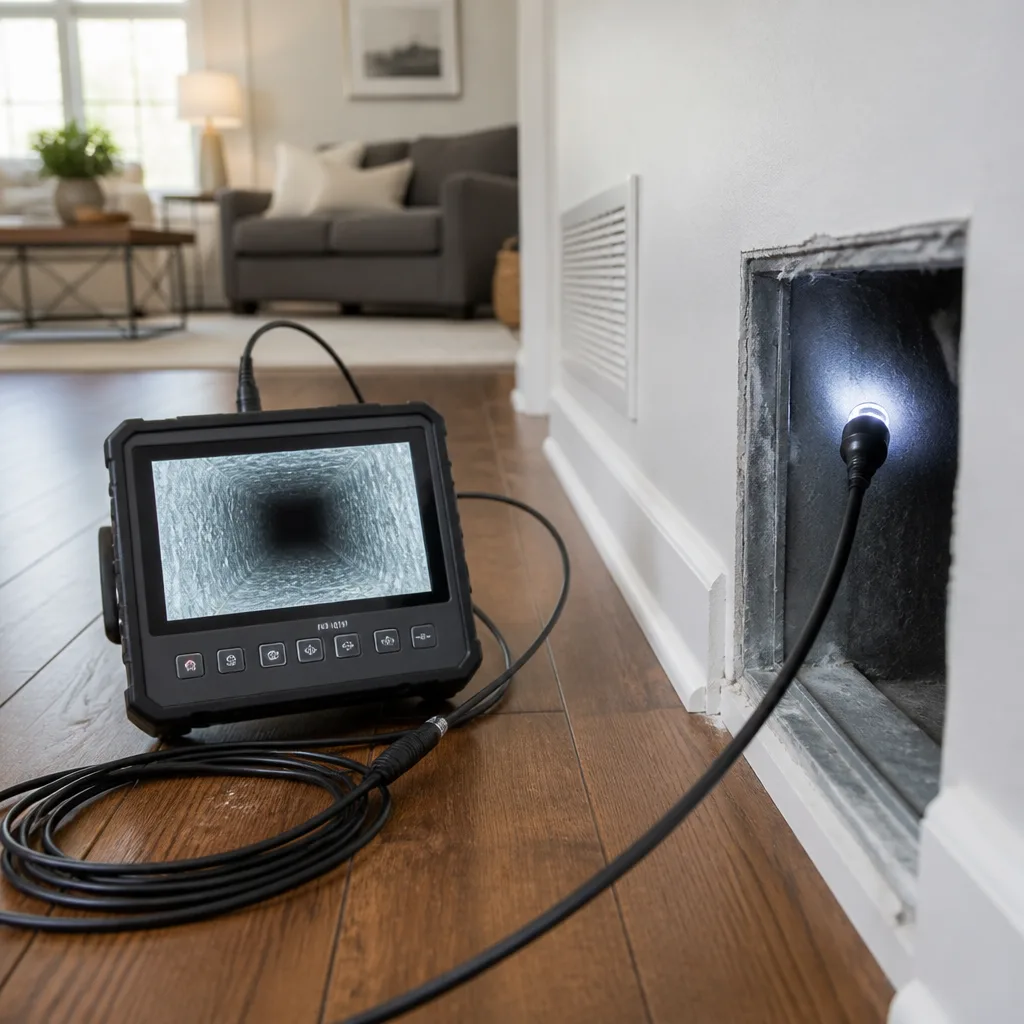 Camera inspection
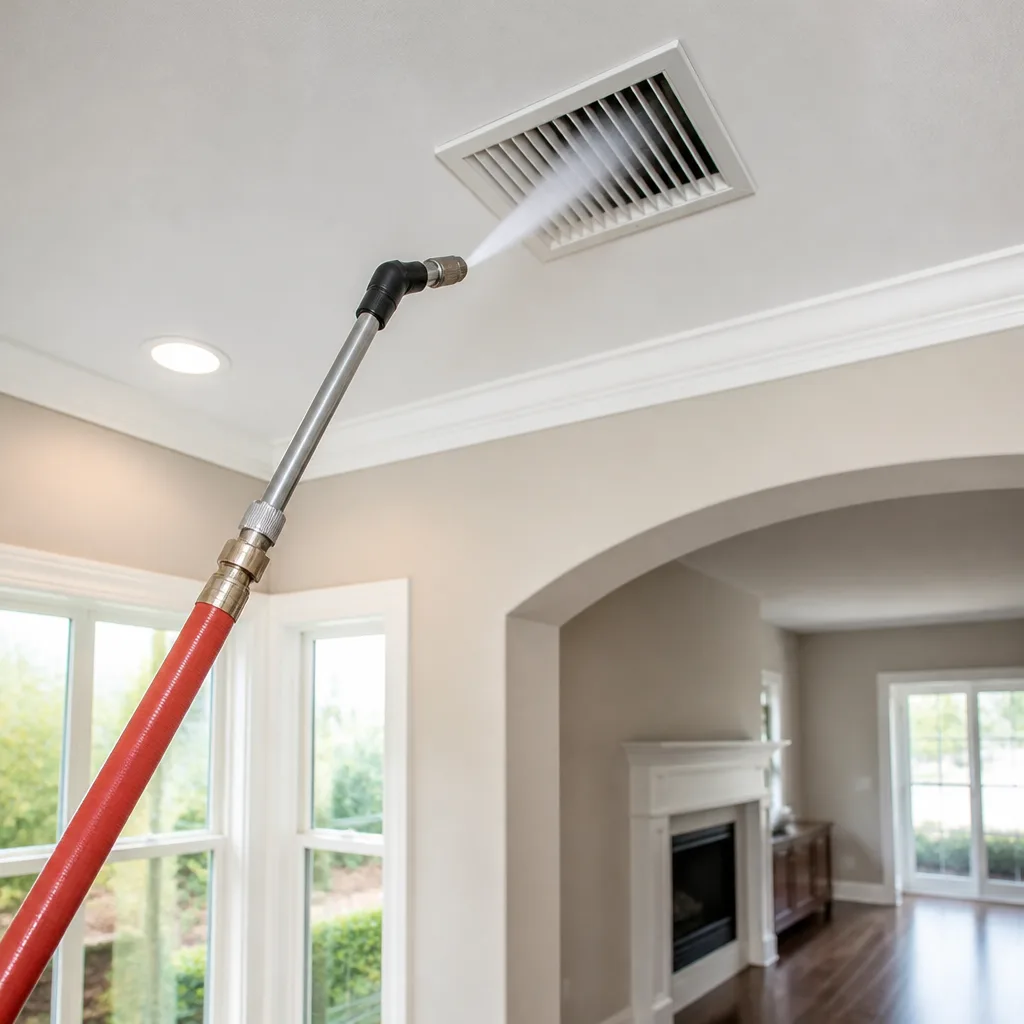 Sanitizing & deodorizing
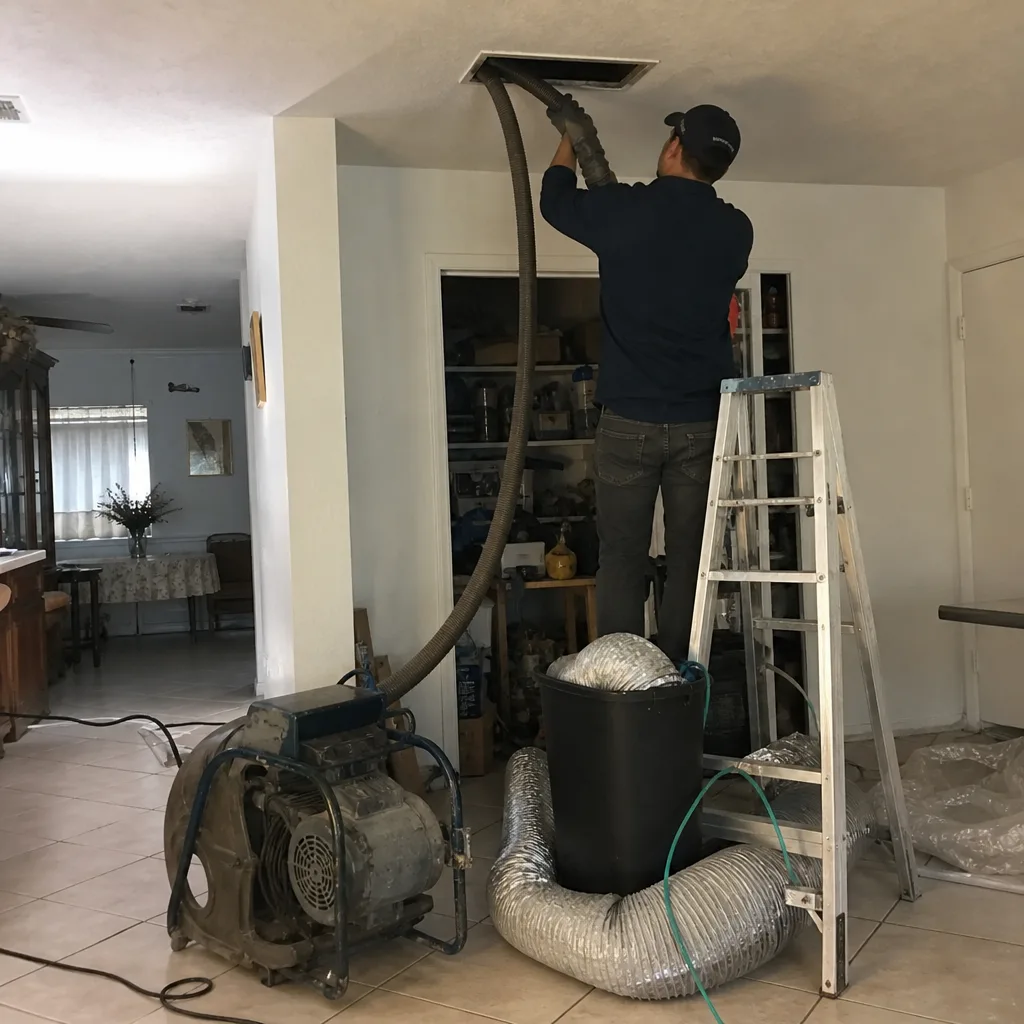
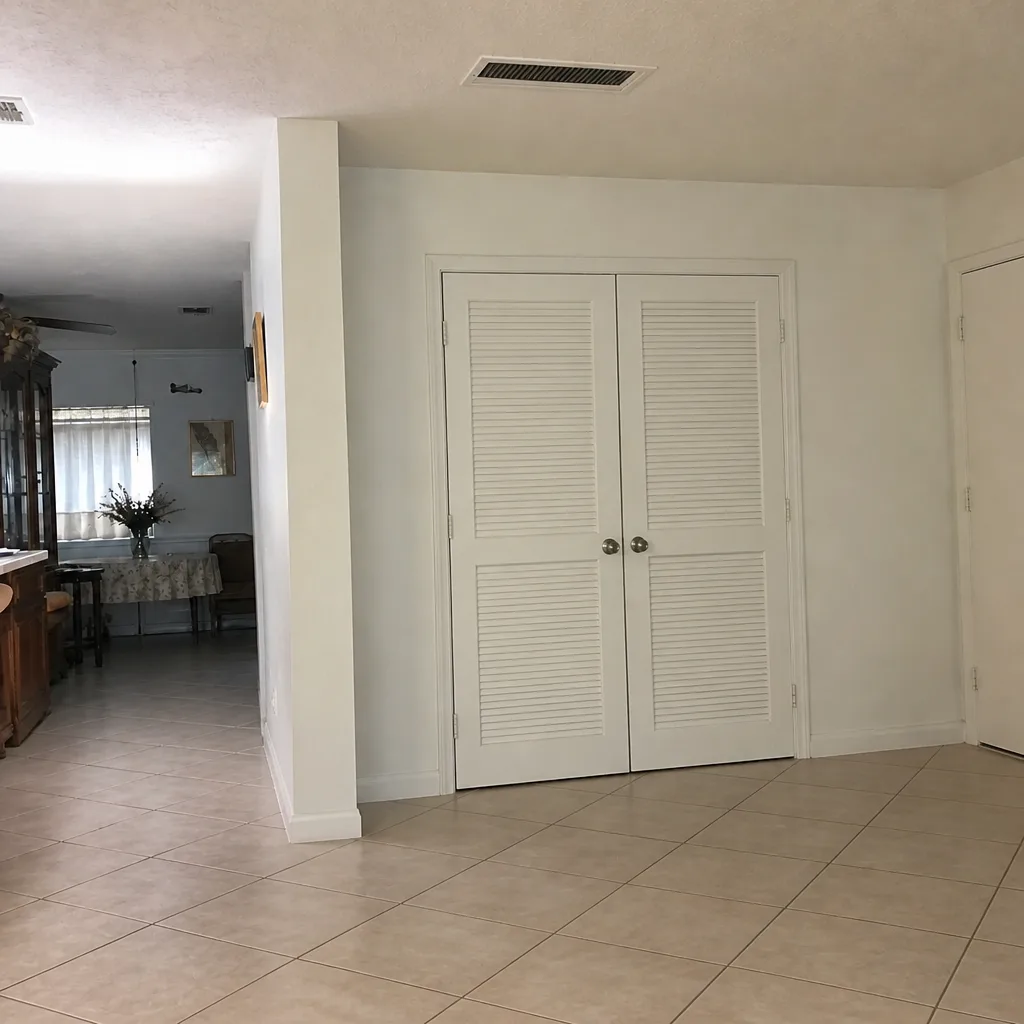
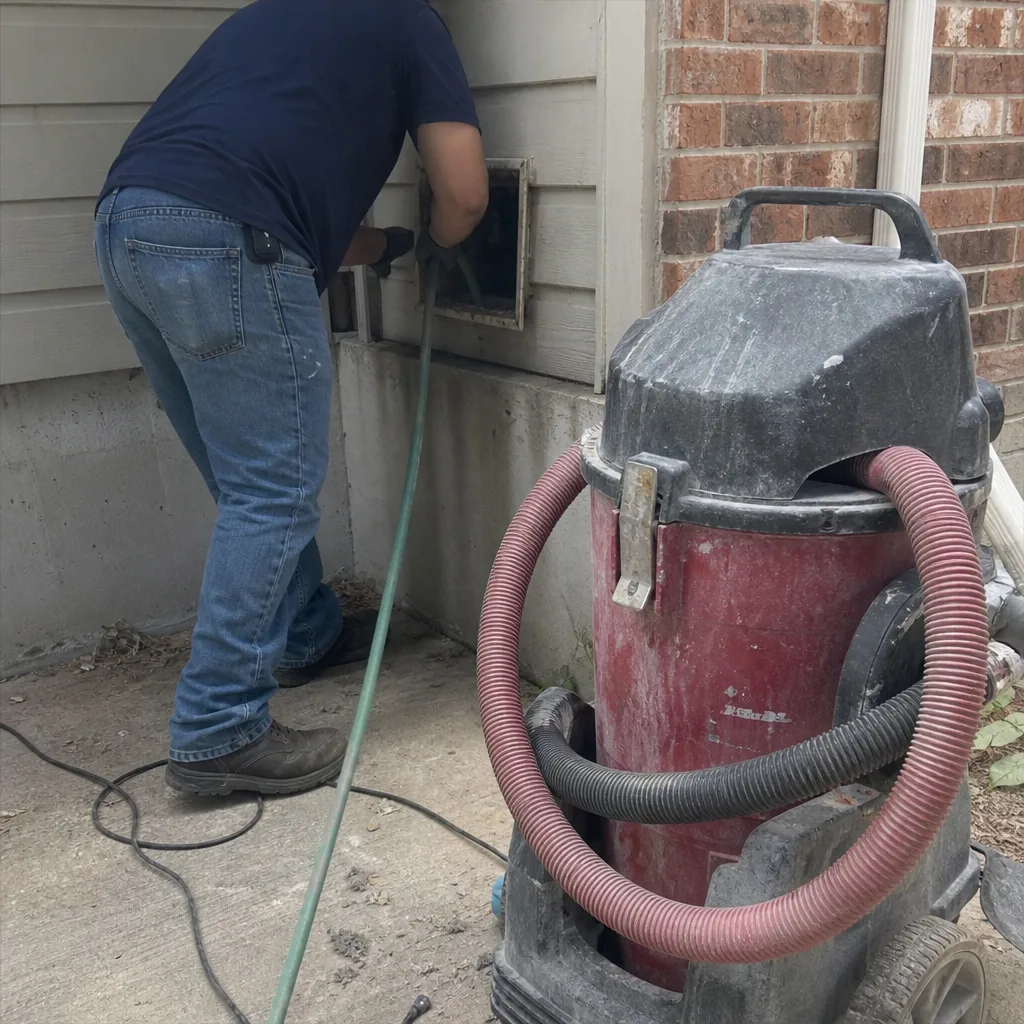
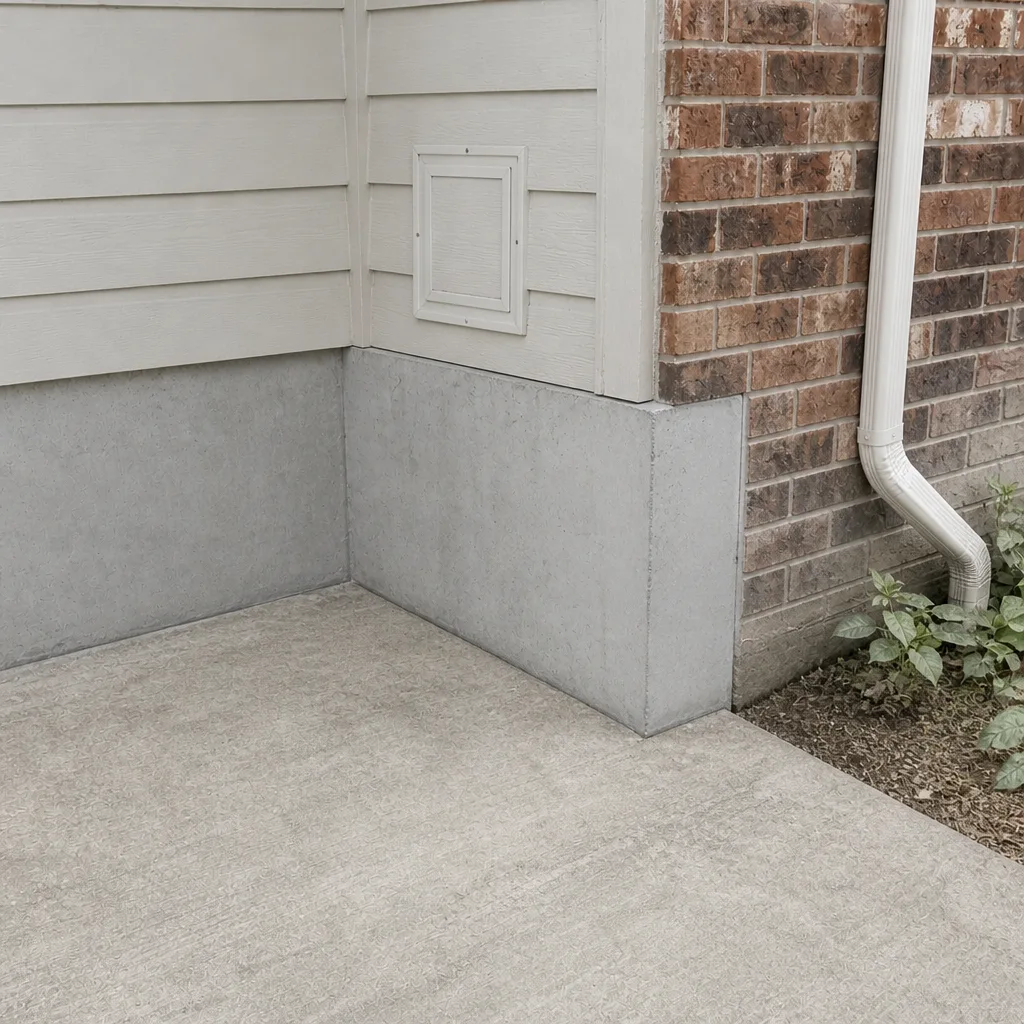
Whole-system duct and dryer vent check with before-and-after photos - you see exactly what came out of your vents
That "$99 whole-house special" is a bait ad - the real number appears once they are in your hallway, or the "clean" is a shop-vac at the register. We photograph the inside of your ducts before and after instead.
Air Duct Cleaning Emergency Preparedness Guide for Midland Homes
Most homeowners treat their ductwork as a set of pipes that either works or doesn’t. That framing breaks down the moment outside conditions turn severe. When a dust storm rolls across the Permian Basin and visibility drops to near zero, every home with a running HVAC system is pulling that particulate load across a filter that was never sized for it. What gets through the filter settles in the ducts, and what settles in the ducts gets pushed back into the living space on the next heating or cooling cycle. The system didn’t fail. It did exactly what it was designed to do with the air it was given.
That gap between how we think about ductwork and how it actually behaves under stress is the reason this guide exists. Midland sits in a region with four distinct emergency scenarios that each hit a duct system differently: severe dust storms, rare but intense rainfall and water intrusion, wildfire smoke drifting in from surrounding ranges, and extended power outages during extreme heat. We’ll walk through what each one does to your ducts, what to check before and after, and when to bring in professional equipment. You’ll also get a pre-season checklist you can build once and use for years.
Quick Answer
After a dust storm, wildfire smoke event, water intrusion, or extended power outage, your duct system needs a specific response rather than just “run the AC and hope for the best.” The correct move is usually to shut the system down during the event, inspect the filter and accessible ductwork immediately after, and schedule a professional assessment if you see heavy accumulation, smell moisture or smoke, or notice a sudden jump in dust inside the home. For Midland homes, the most common emergencies are dust storms and smoke infiltration, followed by water intrusion from flash flooding or condensate failures.
Styles & brands we work with
- Whole-home duct cleaning
- Dryer vent cleaning
- Camera inspection
- Sanitizing & deodorizing
Table of Contents
- Post-Dust Storm Protocol for Midland Duct Systems
- Water Intrusion: Flash Floods, Roof Leaks, and Condensate Failures
- Wildfire Smoke Infiltration and Fine Particulates
- Power Outages in Extreme Heat: What Happens Inside a Dormant System
- Pre-Season Emergency Preparedness for Duct Systems
- How to Assess Whether You Need Professional Duct Cleaning
- When the Event Causes Damage, Not Just Dust
Post-Dust Storm Protocol for Midland Duct Systems
Dust storms in Midland are the most frequent of the four events, and they’re the one most homeowners respond to incorrectly. The instinct is to keep the AC running to stay comfortable while the storm passes. That runs filtered outside air across the system continuously at the exact moment the outdoor particulate load is highest. The filter catches what it can, and the rest goes into the ducts and the blower.
When a storm is forecast, the protocol is straightforward. Here’s what to do in order:
- Before the storm: Change or confirm the filter, then set the thermostat to “off” or “fan only” only if you need airflow. Better yet, shut the system off entirely until the dust clears.
- During the storm: Close windows and doors. Don’t run the system unless indoor heat is genuinely unsafe. Don’t run a whole-house fan or a window unit that pulls outside air.
- Immediately after: Visually inspect the filter before running anything. A filter caked with West Texas dust is a sign that more got past it than usual.
- 24-48 hours later: Change the filter and run the system normally. If you have a whole-home IAQ setup on a Honeywell or Aprilaire system, check whether the filtration stage is doing its job or is already loaded.
- One week later: Check for persistent dust settling on vents and surfaces. A home that keeps shedding dust long after the storm is one where the duct system is holding material.
The critical difference between a Midland dust storm and ordinary dust: the particulate load here is fine enough and heavy enough that a standard filter is doing well just to keep up. In our experience, the homes that come out of a major storm with clean ducts are the ones that were shut down during it, not the ones that filtered harder. If your ducts are already due for cleaning before the season starts, getting them done in a quiet window is the cheapest form of emergency preparation. Duct cleaning Midland homeowners book ahead of storm season usually finds less to correct than one booked after.
Water Intrusion: Flash Floods, Roof Leaks, and Condensate Failures
Midland doesn’t flood often, but when it rains hard, it rains fast. That matters for ducts because water intrusion is the one event that turns a maintenance problem into a structural one. There are three main entry points, and each has a different response timeline.
Flash flooding. Ground-level flooding can push water into crawl spaces and in some layouts into duct runs that sit low. Any ductwork that has been wet needs to be assessed, not just dried. Wet duct board and insulation become a moisture trap, and moisture in a closed system is the condition that supports biological growth. The response window is 24-48 hours: get standing water out, get airflow moving, and have the system inspected before you run it for comfort.
Roof leaks. A roof leak above a duct chase sends water down into the duct run before you see a stain on the ceiling. If you spot ceiling staining or hear water moving near a vent, shut the system off at the thermostat and call for an inspection. Running a system with water pooling in a duct run distributes moisture across the whole house.
Condensate line failures. This is the sleeper problem. The condensate drain on an AC air handler can clog, back up, and send water into the duct connection and the pan. It’s usually a slow leak, which means it’s often happening for a while before anything shows. Check the pan and the drain line at the start of cooling season and after any period of heavy use. Wet ducts from a condensate failure need the same inspection as water intrusion from outside.
After any water event, drying the ductwork isn’t enough if material has already been contaminated. When we’re called to a water intrusion job in Midland, the first step is assessing whether the affected runs need cleaning, sealing, or partial replacement, then using equipment that can pull moisture and debris out without pushing it into the living space. That’s where a repair and cleaning scope done together makes more sense than a cleaning visit that discovers a damaged connection halfway through.
Wildfire Smoke Infiltration and Fine Particulates
Wildfire smoke behaves differently inside a duct system than dust does, and that difference matters because standard cleaning equipment isn’t always enough. Local dust is mostly mineral particulate that settles on duct walls and brushing removes it. Wildfire smoke carries fine, chemically active particulate that tends to deposit on the same surfaces but with much smaller particle size and a persistent odor signal. A rotary brush loosens it, but the material is small enough that it needs HEPA-level capture to be removed rather than redistributed.
Here’s how the response differs from a dust event:
- Shut down earlier. Smoke infiltration starts before you see haze. If you can smell smoke indoors and it isn’t from a local source, close the house and shut the system off until outdoor air clears.
- Upgrade the filter stage, but not past design. A higher-MERV filter helps during a smoke event only if the system is designed to handle the static pressure. Don’t swap in a filter the blower can’t breathe through.
- Run a dedicated air cleaner if you have one. Whole-home IAQ systems in the Honeywell and Aprilaire families handle smoke events well, but only if the system’s own filter media is fresh.
- Clean with HEPA capture, not just brushing. A smoke event that visibly deposits inside the ducts calls for RotoBrush rotary equipment to loosen the material and Nikro HEPA negative-air equipment to capture it. Brushing alone doesn’t remove it.
- Address odor separately from particulate. Smoke odor persisting weeks after the event usually means material has settled into duct surfaces or insulation. That’s a cleaning job, not a fragrance job.
The smoke that drifts into Midland from surrounding ranges isn’t the same type of particulate as local dust. Treating a smoke event like a dust event is the mistake most homeowners make. If you’ve had a heavy smoke period and the house still smells like it weeks later, that’s your signal that a cleaning scope with proper containment is warranted.
Power Outages in Extreme Heat: What Happens Inside a Dormant System
An extended power outage in a Midland summer shuts the AC down for hours or days. Most homeowners think about heat exposure and food safety. Fewer think about what’s happening inside the duct system while it sits dormant.
Two things occur. First, condensate: the evaporator coil and the drain pan were wet when the power cut. Without airflow and without the condensate pump running, moisture sits on the coil and in the pan. In a hot, closed house, that moisture warms up, and the pan and coil become a damp microclimate. Second, humidity: the duct system and the living space absorb moisture from the warm air, and on a long outage, cabinet interiors and duct board can stay damp well after power is restored.
Before restarting after an extended outage, run this sequence:
- Look at the pan. If there’s standing water in the pan or the drain line is clogged, clear it before running the system.
- Inspect the coil. Visible biological growth or heavy dust on the evaporator coil is a sign the outage period exposed the system to moisture and needs professional cleaning before it becomes an air quality problem.
- Smell the return air. A musty or sour smell at the return vent is your first real indicator that the coil or the return plenum is holding moisture.
- Change the filter. Outage conditions often loosen material in the system that a fresh filter catches early rather than late.
- Run the fan on “on” for an hour or two with the cooling off after clearing the pan, to dry the coil and the ductwork before normal operation.
- Watch for drainage issues in the first 24 hours. If the condensate line clogs again quickly after restart, the drain needs a service call rather than another clear-out.
If your home experienced a long outage and then the first few cooling cycles after restart smell like a damp basement, that’s your cue to have the system assessed. This is one of the most common post-outage calls we get in Midland, and it’s almost always preventable with the sequence above.
Pre-Season Emergency Preparedness for Duct Systems
Every emergency response on this page gets easier, cheaper, and faster if you spend a Saturday morning once a year preparing for it in advance. The following checklist is what we’d give a homeowner in Midland who wants to be ready for dust season, storm season, and outage season without thinking about it in the moment.
- Keep backup filters on hand. Two or three spares sized to your system are worth their storage space. During a dust event, being able to swap a filter the same day matters more than the cost of the filter.
- Write down your duct layout. Note the return locations, the main trunk, and any branch runs you can see. A quick photo of the accessible ductwork from the attic or utility room saves time when an inspector comes out.
- Locate the shutoffs. Find the AC disconnect, the condensate overflow switch (if you have one), and the thermostat’s fan-only setting. During a water intrusion or a smoke event, you’ll want to be able to shut the system down from memory, not by reading the manual.
- Note your filtration brand and model. If you have a Honeywell or Aprilaire whole-home filter, write down the model number. Replacement filter compatibility matters, and knowing what your system was built for keeps you from installing a filter that fights the blower.
- Photograph your filter before each event. This is your baseline. If the filter looks radically different after an event, your ducts likely took on material that the filter didn’t catch.
- Clear the return vents. Furniture or rugs partially blocking return grilles force the system to pull harder, and under increased pressure the system tends to pull dust from seal gaps into the ducts rather than pulling it out of the living space.
- Schedule a baseline cleaning if you haven’t had one. A duct system that’s already half-loaded entering a major event will be over the threshold when it exits. Starting clean is the simplest preparation there is. If you’re considering dryer vent cleaning Midland homeowners usually schedule in the same visit, the same preparation logic applies: get ahead of the season rather than respond to it.
How to Assess Whether You Need Professional Duct Cleaning
Not every event requires a full cleaning, and not every cleaning removes what actually needs removing. The judgment call is usually about three things: what went in, how long it stayed, and whether the system’s own filtration caught it.
Here’s a simple triage for the days after an event:
- Check the filter within 24 hours. If it’s lightly loaded, the event produced no more than a normal load. If it’s caked with fine dust or smells of smoke, material bypassed it or the filter was near the end of its life.
- Look at the supply vents. A thin film of fine dust on the registers is normal. Visible accumulated material in the diffuser slots or on the grille louvers is a signal that the ducts are shedding.
- Notice the air when the fan starts. A puff of dust coming out of a supply vent when the system kicks on is a strong diagnostic signal, and it’s a sign the ducts are loaded.
- Smell the return air. Smoke smell, musty smell, or a generic “old house” smell all point to material that brushing alone won’t reach cleanly.
- Count the indoor dust. If you’re dusting more frequently than usual two weeks after the event, the duct system is the likely source, not the outside air.
For Midland homes, the standard from a professional cleaning visit should be visible: before-and-after photos of your ducts, a documented scope of what was removed, and a single flat price for the whole system rather than a per-vent quote. That last point matters. A low coupon price that becomes a larger invoice on site is the pattern we most often hear about, and whole-system pricing with photos before and after is how you avoid it.
When the Event Causes Damage, Not Just Dust
Some events leave debris. Others leave damage. Knowing the difference matters because a cleaning crew that only cleans will hand you off to a second contractor, and a repair contractor that doesn’t clean will fix the connection but leave the material inside.
The common damage patterns we see after Midland events:
- Disconnected joints after a dust storm. High static pressure during a storm event, combined with a filter that’s loading up, is when taped joints and older flexible connections open. The symptoms: whistling, uneven air at the registers, and dust settling near the air handler.
- Crushed flexible duct after a roof leak. Water weighs down flex duct that runs through an attic space, and a crushed run kills airflow to the rooms it serves.
- Waterlogged duct board after a condensate failure. Duct board that has soaked may need replacement rather than cleaning, because the material holds moisture even after a dry cycle.
- Pest intrusion after an event. Storm damage to a roof or exterior often creates a new entry point. Any duct run that shows signs of intrusion needs to be sealed, patched, or reconfigured along with the cleaning.
This is why we do duct repair as a core service rather than an afterthought. Cleaning equipment alone doesn’t seal a joint, and a repair that doesn’t come with cleaning leaves the system correct in one respect and contaminated in another. The useful standard after a major event is a single scope that covers both, done with the same visit. Our technicians have up to 8 years of experience on the equipment side, and the combination we run is built for this: RotoBrush rotary brushes to dislodge material mechanically, Abatement Technologies filtration on-site to contain particulate rather than redistribute it, and Nikro HEPA negative-air equipment to pull debris out of the system and into HEPA capture.
Common Mistakes to Avoid
- Running the system through a dust storm. The instinct to keep the house cool during a storm is the exact reason a filter loads up faster than it should. Shut the system off and let comfort wait a few hours.
- Assuming a fresh filter is enough. A filter protects the equipment, not the ducts. Heavy particulate events leave material in the ducts, and a new filter installed afterward doesn’t remove what already settled.
- Treating a smoke event like a dust event. Smoke particulate is finer and more chemically active, and it requires HEPA-level capture during cleaning. If the house still smells like smoke weeks later, brushing alone won’t fix it.
- Waiting out a water intrusion. Moisture inside a duct system gets worse with time, not better. The 24-48 hour window after a condensate line or roof leak is the one that matters.
- Restarting the AC after an outage without checking the pan. A pan with standing water, cleared by a quick look, prevents a much larger job later.
- Booking the cheapest per-vent quote. A coupon price that becomes a per-vent invoice on site is the standard way this trade gets a bad name. Ask for whole-system pricing up front and photos before and after.
- Skipping the pre-season checklist because “it’s never happened here.” Midland’s dust storms and heat outages do happen, and the homes that recover fastest are the ones with filters in the closet and a written record of the duct layout.
See the difference
 Before
 After
 Before
 After
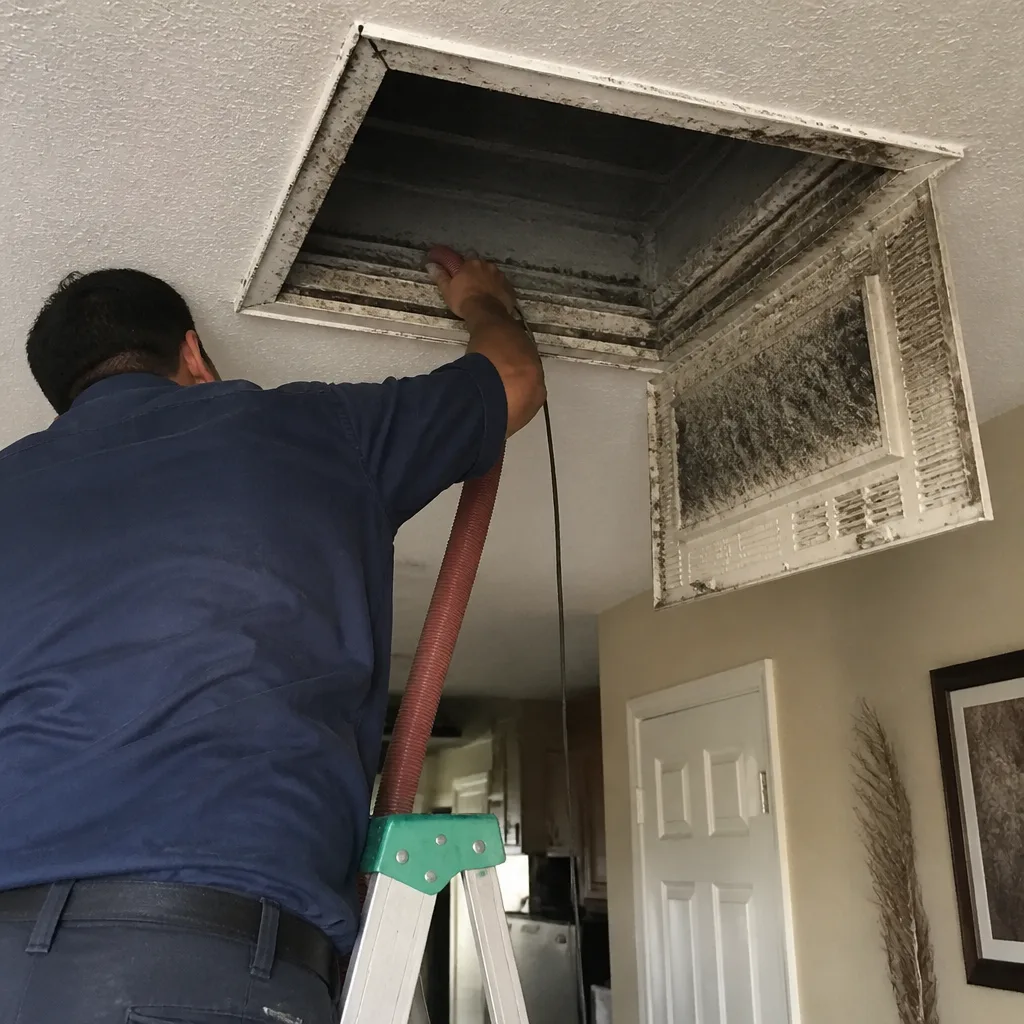 Before
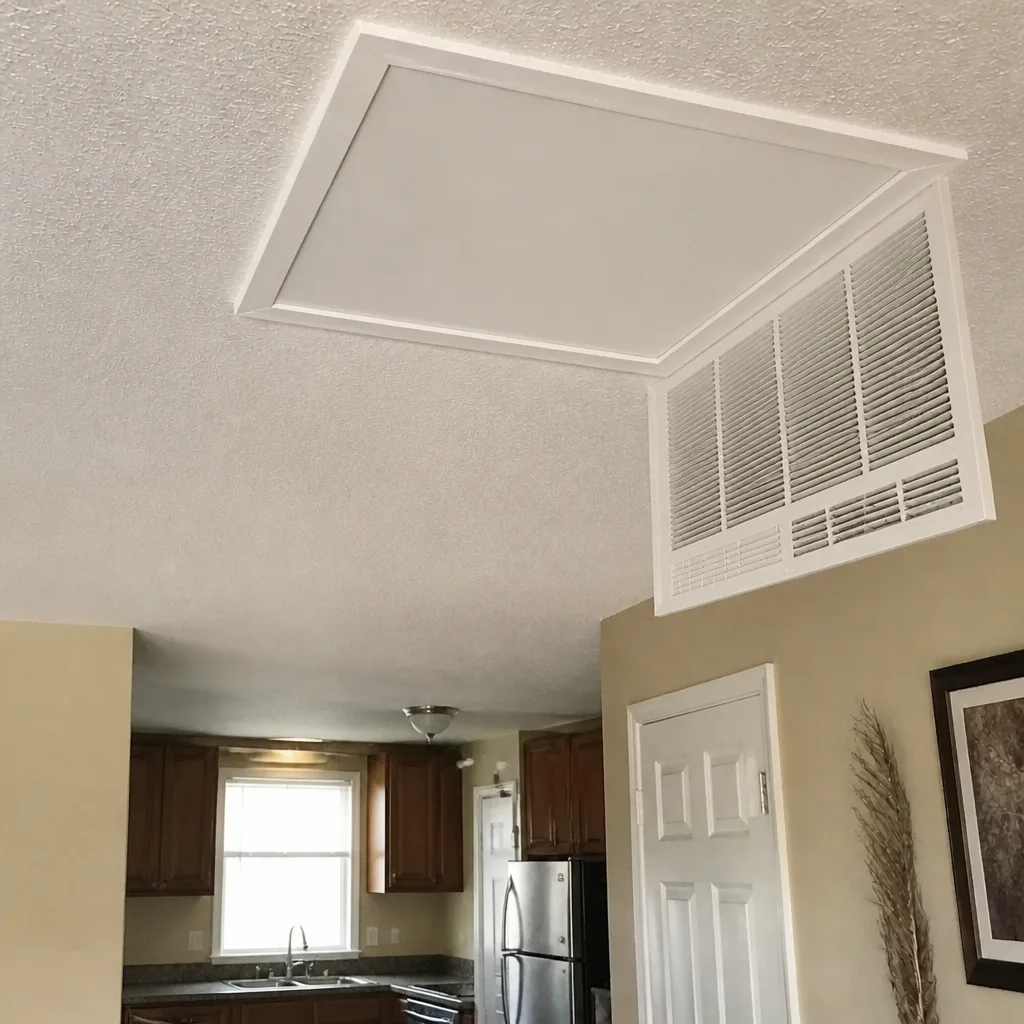 After
When to Call a Professional
Call a duct professional for five specific scenarios. First, after any dust storm that visibly deposited material in the home or left a filter that was completely caked over. Second, after a water intrusion event: flash flooding, a roof leak anywhere near the duct chase, or a condensate line failure. Third, after a heavy wildfire smoke event that still smells of smoke in the house weeks later. Fourth, any time the AC has been through an extended power outage and the first cooling cycles smell musty or the pan shows signs of leaking. Fifth, any time you see visible damage to ductwork, connections, or the air handler after an event, whether that means a joint is open or a flexible run is crushed.
Duct Cleaning Midland offers free estimates in Midland and can scope cleaning and repair on the same visit, so you don’t have to hire two trades. Call (844) 382-8255 to get an estimate. We answer 24/7, and dispatch runs from 7am to 7pm, Sunday through Friday. If you want the broader picture of how cleaning fits into a maintenance routine for a Midland home, our air duct cleaning page walks through the full scope. And if you want a permanent baseline for the next event, a dryer vent cleaning visit catches the fire risk while the ducts are being handled. Duct Cleaning Midland’s Midland service page lays out the full range of what we cover.
Frequently Asked Questions
Wait one week then assess. If the home keeps shedding dust after the storm has cleared, if supply vents produce a dust puff on startup, or if the return air has a stale smell, book a professional cleaning. If the filter was caked and the house still feels dustier than usual two weeks later, that’s the strongest signal. Call (844) 382-8255 for an exact quote – estimates are free.
Yes. Heavy particulate load accelerates filter loading and forces the blower to work harder, which raises static pressure. The blower motor, the coil, and the duct connections all sit downstream of that pressure, and the longer it runs against a loaded filter, the more wear it takes. Shutting the system down during the storm is the single most effective protection for the equipment.
Yes. Smoke particulate is finer than local dust and tends to deposit chemically rather than just mechanically. Standard brushes loosen it, but it needs HEPA capture during the cleaning to be removed rather than redistributed. On smoky-event jobs we run RotoBrush rotary equipment alongside Abatement Technologies filtration and Nikro HEPA negative-air units so the material goes into capture, not into the living space.
Before restarting the system, check the condensate pan for standing water, check the drain line for clogs, and smell the return air. If there’s water in the pan or the first cooling cycles smell damp, have the system inspected before running it for comfort. That sequence prevents most of the post-outage moisture problems that would otherwise need a longer cleaning scope.
Emergency-recovery cleaning is priced per job from a written estimate, not by a per-vent rate. Whole-system cleaning usually runs in an estimated range depending on how extensive the system is and whether repair is also on the scope. The written estimate sets the final price, and we give you a flat scope up front rather than a coupon price that grows on site. Call (844) 382-8255 for an exact quote – estimates are free.
Most homes in a moderate climate can go several years between cleanings if the system is well-sealed and the filters are kept fresh. Midland’s dust load shortens that window. Homes near open ground, homes with older ductwork that has developed seal gaps, and homes that have been through a major dust or smoke event usually need cleaning sooner than the standard interval suggests. A baseline inspection after any large event is a better guide than a fixed calendar.
The Bottom Line
Midland’s four real duct emergencies – dust storms, water intrusion, wildfire smoke, and heat-season power outages – each need a different response, and none of them are served by the instinct to just run the AC. Shut the system down during the event. Inspect the filter, the pan, and the return air before restarting. Assess one week later. Book a professional scope when the home still sheds dust, smells of moisture or smoke, or shows signs of damaged ductwork. And prepare once a year with backup filters, a written layout, and a baseline cleaning so the next event lands on a system that can handle it. Call (844) 382-8255 for a free estimate. We answer 24/7. Fast dispatch from 7am to 7pm, Sunday through Friday.
Written by the team at Duct Cleaning Midland.