
Last updated November 15, 2026
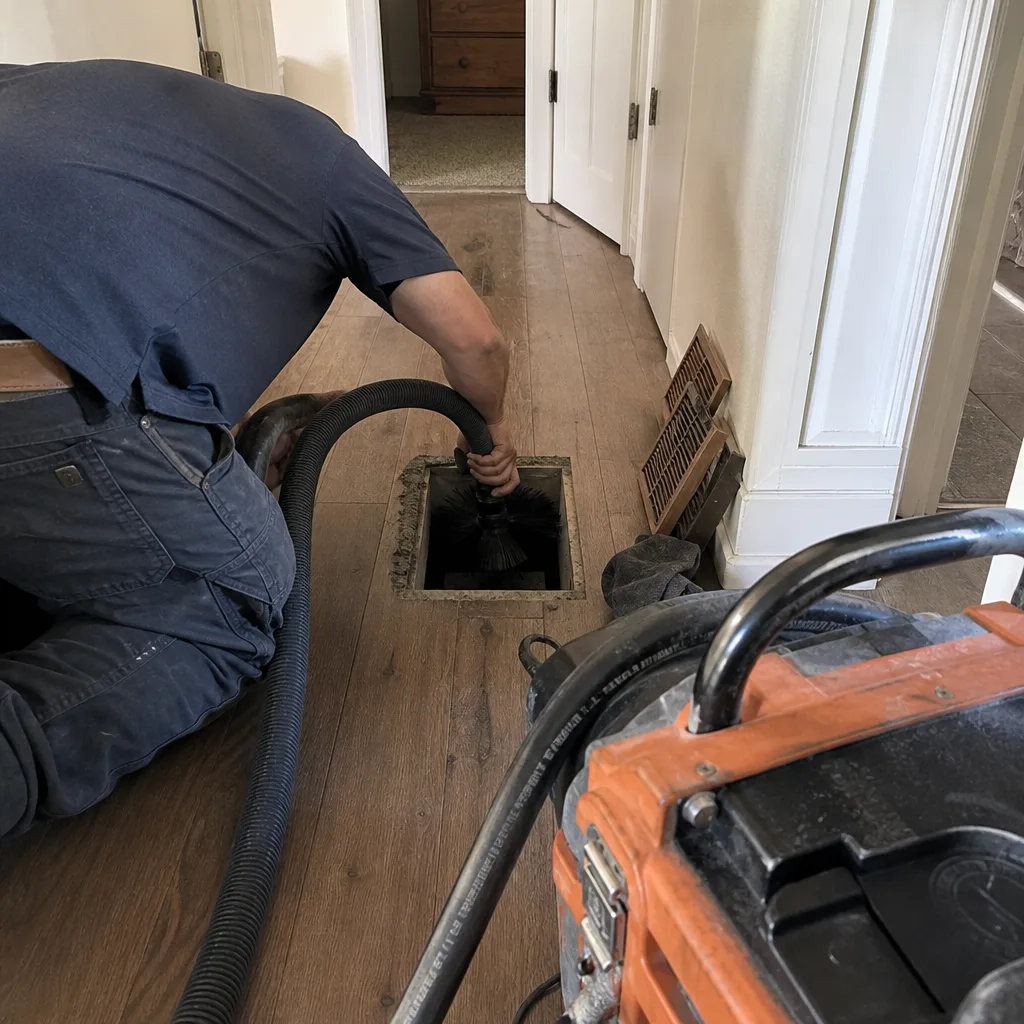
 Whole-home duct cleaning
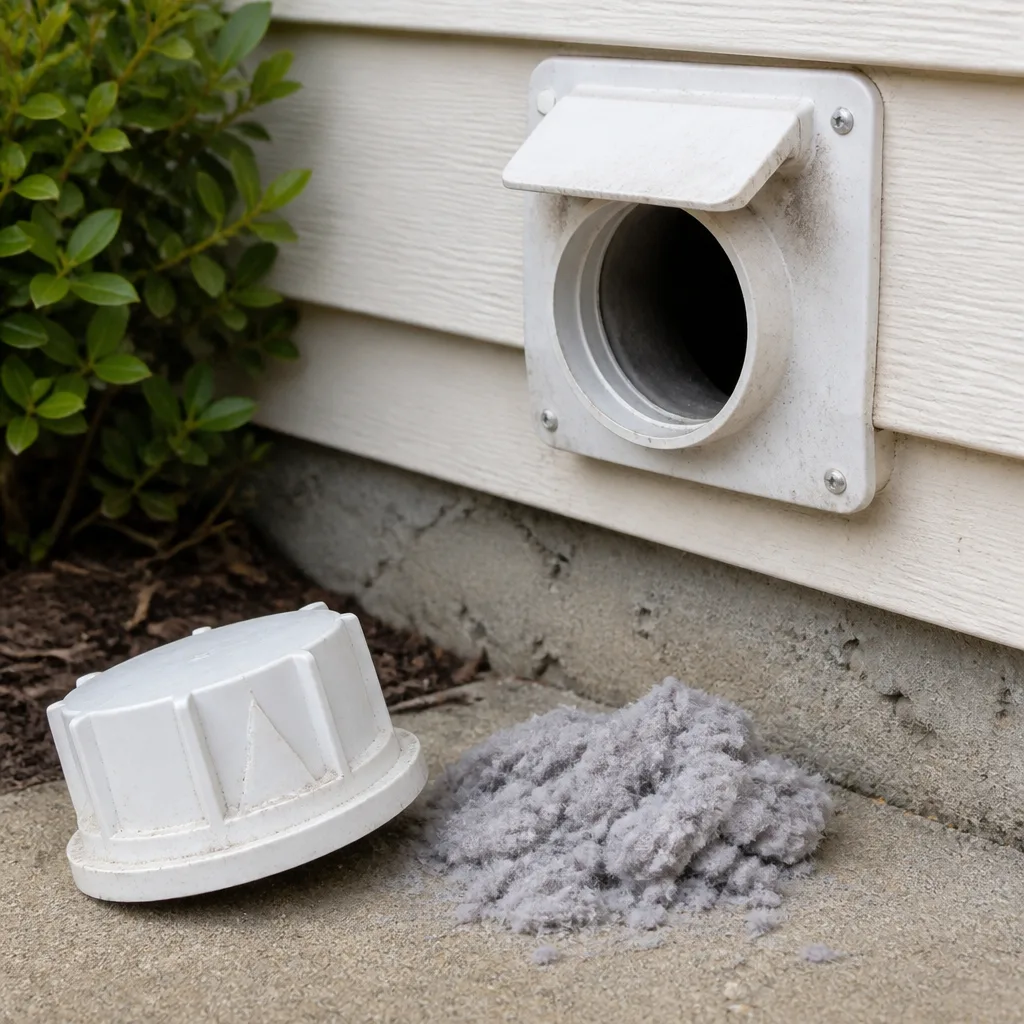 Dryer vent cleaning
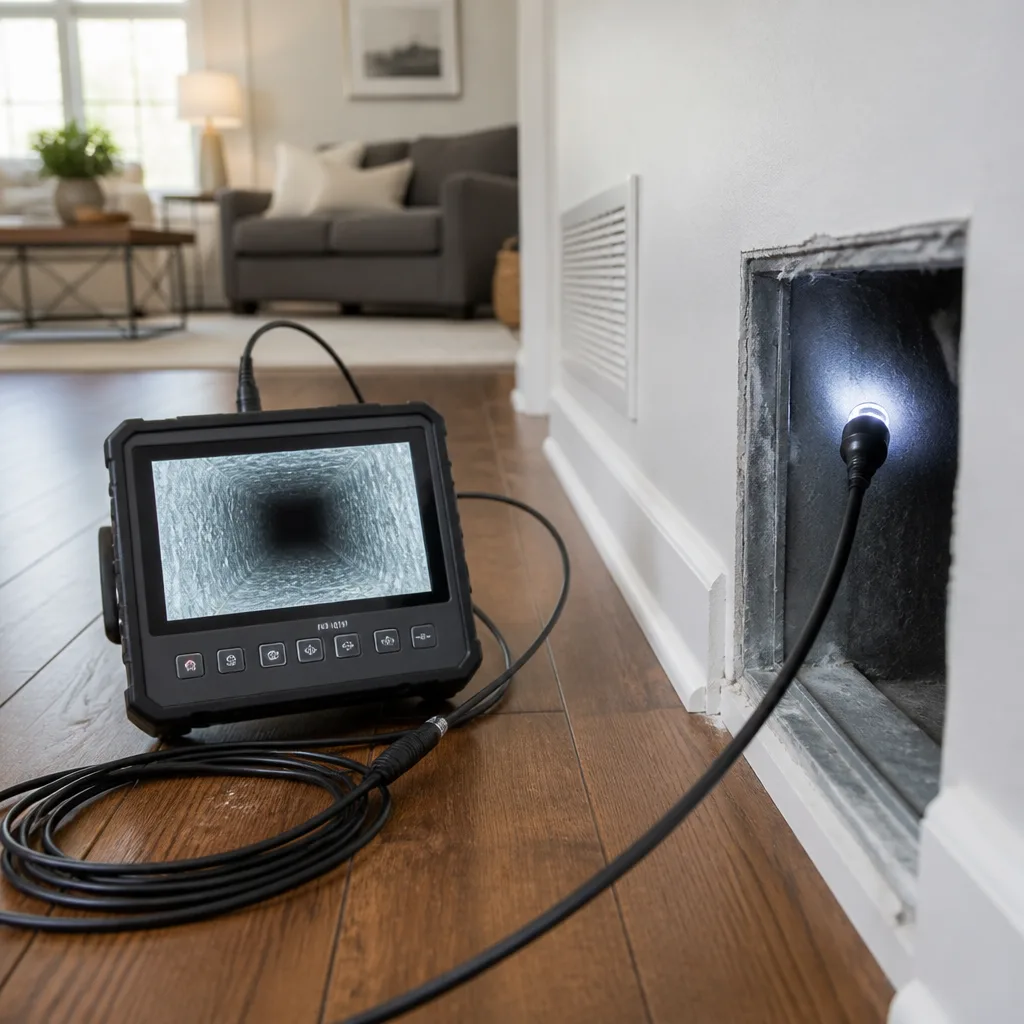 Camera inspection
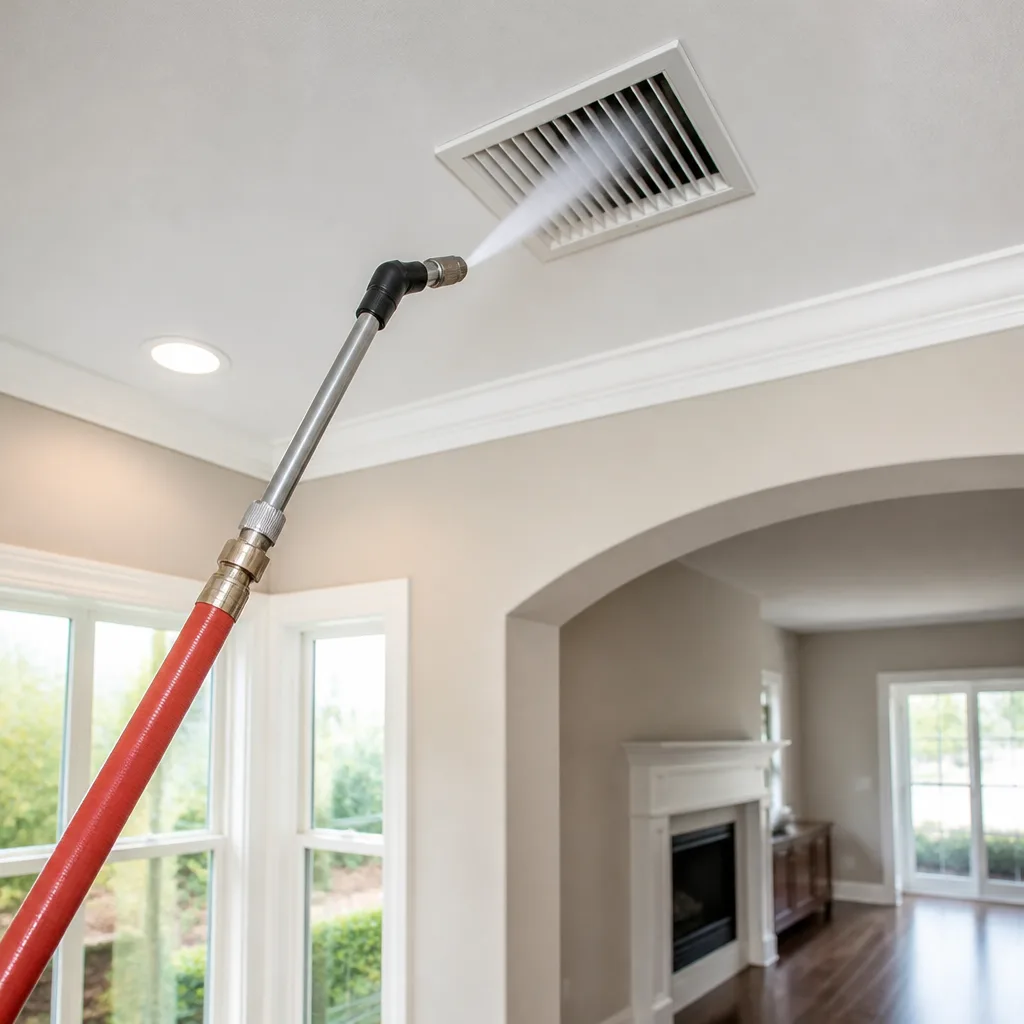 Sanitizing & deodorizing
Whole-system duct and dryer vent check with before-and-after photos - you see exactly what came out of your vents
That "$99 whole-house special" is a bait ad - the real number appears once they are in your hallway, or the "clean" is a shop-vac at the register. We photograph the inside of your ducts before and after instead.
Air Duct Cleaning Permits, Codes & Inspections in Midland, TX: What You Need to Know
If a contractor reseals a disconnected trunk line during a duct cleaning job – work that takes ten minutes and adds nothing to the invoice – that repair may require a mechanical permit under the Texas Mechanical Code, and most contractors don’t pull one. That’s the gap this guide is about. Cleaning is one thing. Repair is another. And the line between them is blurrier than most Midland homeowners realize when they sign off on work. Below we map exactly where Texas code draws that line, what the City of Midland expects when ductwork gets modified, how an unpermitted repair can surface during a home sale, and the questions to ask any contractor before work begins in Midland.
Quick Answer
Air duct cleaning on its own does not require a permit in Texas. Duct repair, modification, or replacement of ductwork components generally falls under mechanical code scope and may require a mechanical permit from the City of Midland. Because cleaning jobs often uncover and include small repairs, the permit question depends on what the job actually involves, not what it’s called on the invoice.
Styles & brands we work with
- Whole-home duct cleaning
- Dryer vent cleaning
- Camera inspection
- Sanitizing & deodorizing
Table of Contents
- What Texas Mechanical Code Treats as Maintenance vs. Modification
- How City of Midland Permits Apply to Duct Work
- Why Unpermitted Duct Repairs Surface During a Home Sale
- The Correct Process for Permitted Duct Repair Work
- How to Ask a Contractor Whether Repair Will Be Permitted
- What Equipment Reveals About the Scope of Work
- Typical Inspection Timelines in Midland
What Texas Mechanical Code Treats as Maintenance vs. Modification
Texas adopts the International Mechanical Code as the basis for its statewide mechanical provisions, and local jurisdictions like Midland layer their own permitting procedures on top. The distinction that matters for duct work comes down to two categories the code treats very differently.
Maintenance covers keeping an existing system in working order without changing how it’s configured. Cleaning dust and debris out of ducts is maintenance. So is replacing a filter, tightening accessible fasteners, or restoring a joint seal without altering the duct’s size, route, or connection point.
Modification is where permits enter the picture. This covers work that changes the mechanical system itself: adding, removing, or rerouting a section of duct; replacing flex or rigid duct runs; changing a fitting or takeoff; moving a register to a new location; or resealing a disconnected duct in a way that changes the system’s configuration back to something other than what was installed.
The practical problem is that a reseal of a fully disconnected trunk line sits right on the border. To a homeowner paying for a cleaning, it’s a favor. Under mechanical code, if the work changes the system, it may need to be permitted and inspected. In our experience, most cleaning contractors make that decision on the spot without ever mentioning it. Call it what it is: resealing a joint is one thing, reconstructing a connection is another, and it’s worth knowing which one you’re approving. To see how cleaning and repair differ in scope, see air duct cleaning.
How City of Midland Permits Apply to Duct Work
The City of Midland’s building department issues mechanical permits for HVAC work performed within city limits. Whether a duct cleaning job triggers one depends on whether the work qualifies as cleaning or repair, and how the contractor describes it on the permit application.
Here’s the honest picture for a Midland homeowner:
- Straight cleaning (brush, vacuum, containment, no modification to the system): no mechanical permit expected.
- Resealing an accessible joint or tape seam: usually handled as maintenance; low permitting risk, but worth confirming.
- Reconnecting a fully separated duct run: likely a mechanical permit situation under local rules; ask the contractor to confirm.
- Replacing flex or rigid duct sections: mechanical permit expected; the work changes the system.
- Rerouting, adding, or removing a duct run: mechanical permit expected and an inspection typically applies.
We’re not the building department, and requirements can shift. If you’re unsure whether a specific repair on your system needs a permit, call the City of Midland’s building department directly. That’s the only answer that fully counts. What we can tell you is that in our experience, homeowners in Midland rarely ask, and contractors rarely volunteer the answer. That’s the part that needs to change.
Why Unpermitted Duct Repairs Surface During a Home Sale
Home inspectors in Midland are thorough about HVAC. A duct repair that looked finished on the day it was done has a way of reappearing on an inspection report months or years later. The common findings are these:
- New sealant on old ductwork without documentation. Inspectors note it, then buyers ask for a paper trail. There isn’t one.
- Mismatched duct sections where a repair used different material or sizing than the original install.
- Visible leakage where tape, mastic, or a mechanical connector was applied without proper pressure testing after the repair.
- Missing dampers or altered takeoffs that no longer match the home’s mechanical drawings or original permit records.
Once a buyer’s agent sees an unresolved repair, the conversation shifts from “was this done right?” to “was this done legally?” That’s a frustrating spot for a seller in Midland who paid for a repair in good faith. In our experience, the way to head off that scene is to know at the time of the job whether the work required a permit, and to have the contractor state their position in writing. Knowing what a professional repair looks like in advance is worth the five-minute conversation, and our page on Duct Cleaning Midland explains the difference between cleaning and corrective work.
The Correct Process for Permitted Duct Repair Work
If a duct repair on your Midland home does require a mechanical permit, here’s what the compliant process looks like. This is roughly the same sequence across Texas jurisdictions, though the City of Midland sets its own application requirements and fees – call the building department for those specifics rather than relying on a contractor’s estimate.
- Confirm the scope of repair before work begins. Is the duct being resealed, replaced, rerouted, or disconnected and reconnected? Each of those may land differently under the permit rules.
- The licensed mechanical contractor pulls the permit. Permits for mechanical work are pulled by the contractor performing the work, not usually by the homeowner. If you’re doing anything beyond cleaning, ask for the licensed contractor’s name that will appear on the permit.
- Work is performed to code, using approved materials, correct sealing methods, and proper support and sizing.
- Request the inspection. Once the repair is complete, the contractor schedules the city inspector’s review.
- Inspection occurs on site. The inspector looks at the repair itself: seal integrity, connection method, support, sizing, and any related aspects of the mechanical system the repair touches.
- Permit is closed. Once the work passes, the permit is closed in city records. That paper trail is what protects a sale later.
When we can, we bring repair capability into the same visit as cleaning. That doesn’t eliminate the permit question, but it means the scope of the repair is understood before the technician leaves. It’s a big part of why we offer dryer vent cleaning and duct repair under one roof rather than handing you off to a second contractor.
How to Ask a Contractor Whether Repair Will Be Permitted
The single best question to ask any duct contractor working on your Midland home is this: “If the repair you’re proposing requires a mechanical permit under the Texas Mechanical Code, will you pull it, and can you put that in writing?” The answer tells you a lot.
A straightforward “yes” is the response you want. A straight “this job doesn’t require a permit under Midland rules, and here’s why” is also a good answer, provided the contractor names the code basis and is willing to note it on the written estimate. A vague “we don’t usually bother with that for a repair this small” is a red flag. So is shifting responsibility to the homeowner.
Ask the question before work starts, not after. Once a repair is finished and the invoice is signed, your leverage as a homeowner drops sharply. Put the answer in writing on the estimate. That’s your paper trail. Reasons a contractor might look uneasy about the question:
- They aren’t licensed to pull a mechanical permit in the first place.
- Their insurance carrier doesn’t cover permitted work.
- The repair they’re proposing wouldn’t pass inspection as scoped.
- They’re counting on the fact that you won’t check city records.
Also worth knowing: the technician on site should be able to describe what equipment gets used. When we’re on a Midland job, Rotobrush rotary brushes and Nikro negative-air equipment are what we run, and we can explain which tool does what and how the repair scope gets set. If a contractor can’t explain their own process, the permit question is only the first of several you’ll want to ask.
What Equipment Reveals About the Scope of Work
The equipment on the job tells you a lot about how seriously the contractor treats scope. Cleaning, repair, and containment each require different tools, and a contractor who shows up with all three capabilities is generally better positioned to answer the permit question honestly.
- Rotary brush systems (Rotobrush among them) physically dislodge debris from duct walls. Mechanical scrubbing is the difference between removing a coating and vacuuming a surface.
- HEPA negative-air vacuums (Nikro among them) pull debris into containment rather than pushing it back into the living space. Clean air flows through the system while the mess is captured.
- Air filtration units (Abatement Technologies among them) control particulates on site. This is the part that matters most when a cleaning uncovers a repair: the contaminants stay contained while the repair is discussed and performed.
That third component is also what makes the permit question easier to resolve at the time of the visit. When the equipment allows us to stabilize the situation on site, we can give a homeowner a clear read on scope – “this is a cleaning” or “this is a repair that needs a permit” – before anyone starts tearing into ductwork. We’re familiar with filtration setups built around Honeywell and Aprilaire components, which means we can clean a premium system without disturbing the framing those components sit in. A cleaning contractor who doesn’t know how to work around those setups is going to have a very different repair conversation.
For a general service-area overview, our page on Midland has the practical basics for local homeowners.
Typical Inspection Timelines in Midland
When a duct repair does require a mechanical permit, the timeline generally follows a predictable shape. Exact turnaround depends on the City of Midland building department’s workload at the time you schedule, so treat any specific number a contractor quotes as an estimate rather than a guarantee.
- Day of work: Repair performed. Contractor typically requests inspection within a day or two of completion.
- Within a few business days: Most jurisdictions aim to schedule inspections within a short window. Midland is no exception; the department schedules inspections as capacity allows.
- Inspection day: The inspector reviews the repair on site. Presence of the homeowner isn’t always required, but you’ll want a copy of the result either way.
- After the inspection: Pass closes the permit. Corrections, if flagged, mean the contractor fixes and requests a re-inspection.
Two things protect you during this window. First, get the permit number from the contractor before work starts, so you can track it in city records yourself. Second, ask for a copy of the closed permit when the job is finished. That document is the paper trail you’ll want at resale. When we’re running repair alongside cleaning in Midland, we hand off the paperwork the same way: written estimate, scope in plain English, and a clear answer on what was permitted and what wasn’t. It’s part of why homeowners should expect the same from any contractor they hire. Fast dispatch from 7am to 7pm Sunday through Friday is how we schedule most of it; call (844) 382-8255 if you’d like to talk through your options.
Common Mistakes to Avoid
- Trusting the invoice to say what happened. If a cleaning invoice mentions “resealed trunk line” alongside the cleaning line items, that’s a repair – ask whether it was permitted. A cleaning label doesn’t change the code category.
- Letting the contractor decide the permit question for you. Contractors who don’t want to pull a permit will say the repair is “minor.” Minor under code is a category, not a contractor’s opinion. Ask what triggers a permit in Midland and how their work fits.
- Skipping the written scope. A verbal promise that “reconnecting the line is included” doesn’t document whether the work was permitted. Get the scope, the permit status, and the responsible party’s name on the written estimate.
- Assuming home inspectors won’t notice. In our experience, Midland inspectors are thorough about HVAC, and any repair without permit records has a way of becoming a negotiation point at sale.
- Hiring a cleaning contractor who can’t do repair. When the cleaning uncovers a broken duct run, a contractor without repair capability either leaves it or subcontracts it. Neither gets you a permit or a paper trail.
- Assuming the City of Midland works like the last city you lived in. Texas mechanical code is the foundation, but permitting procedures are set at the city level. What applied in Houston or Amarillo may not match Midland.
See the difference
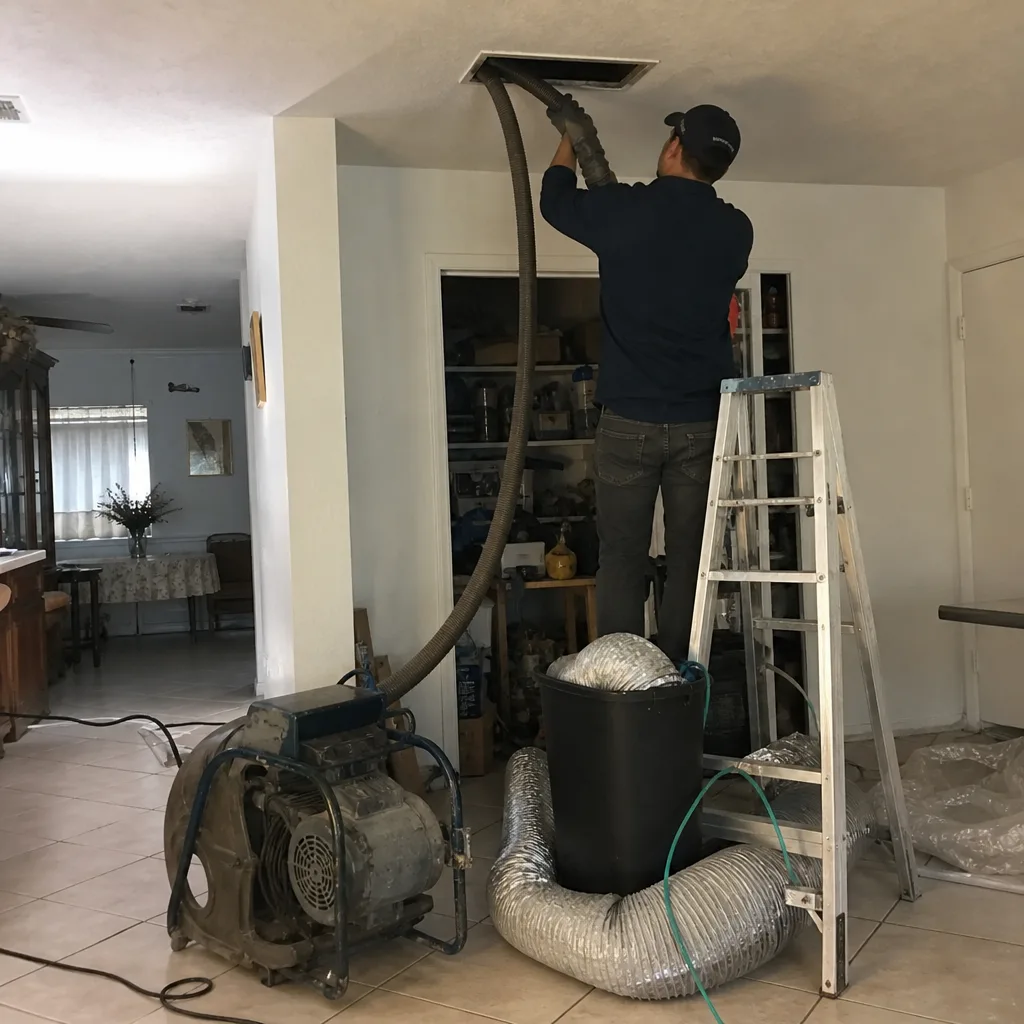 Before
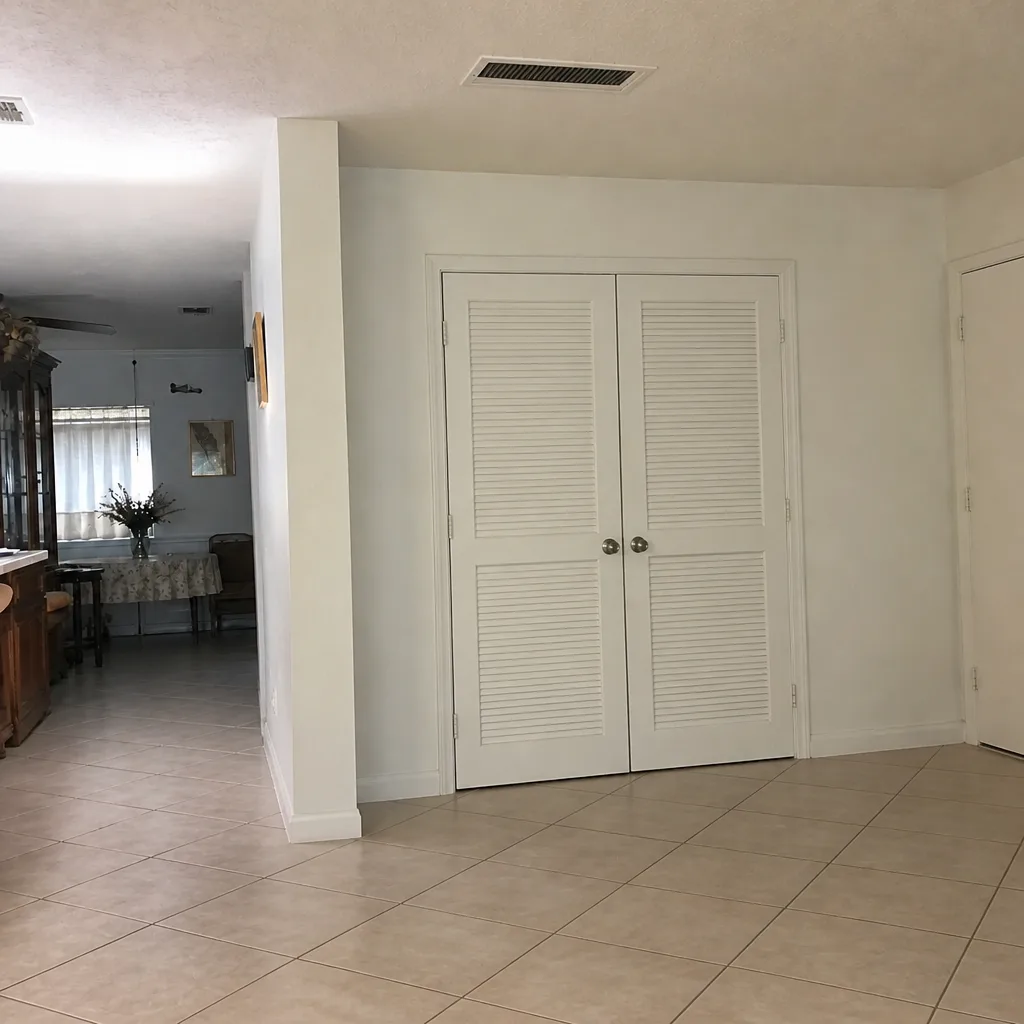 After
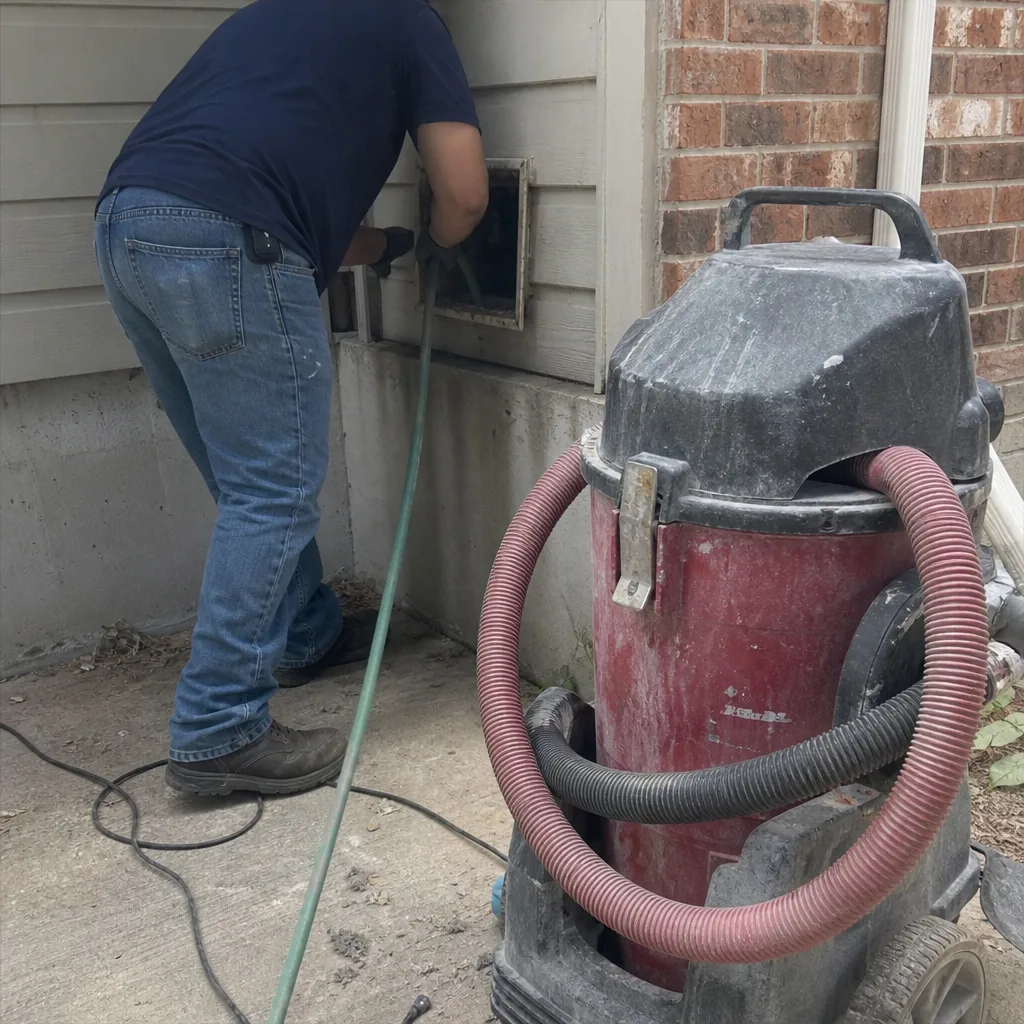 Before
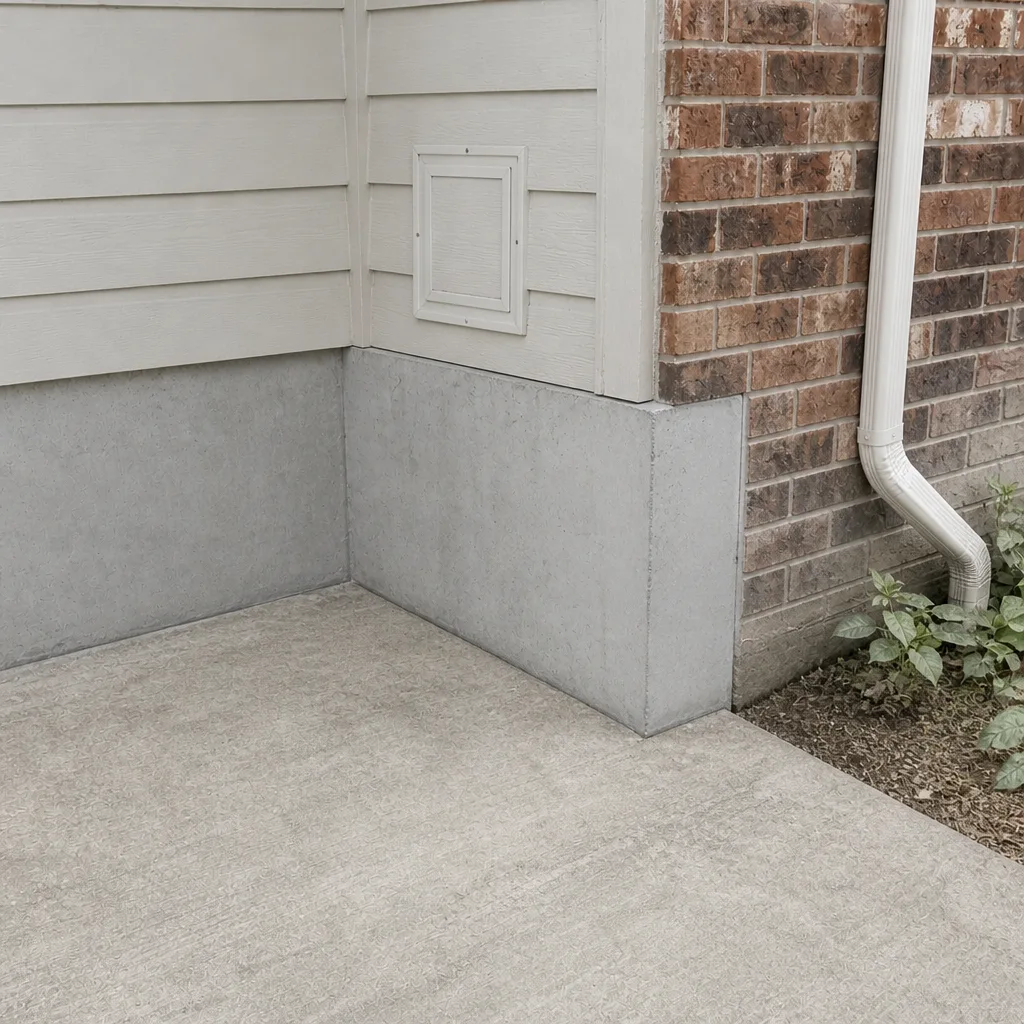 After
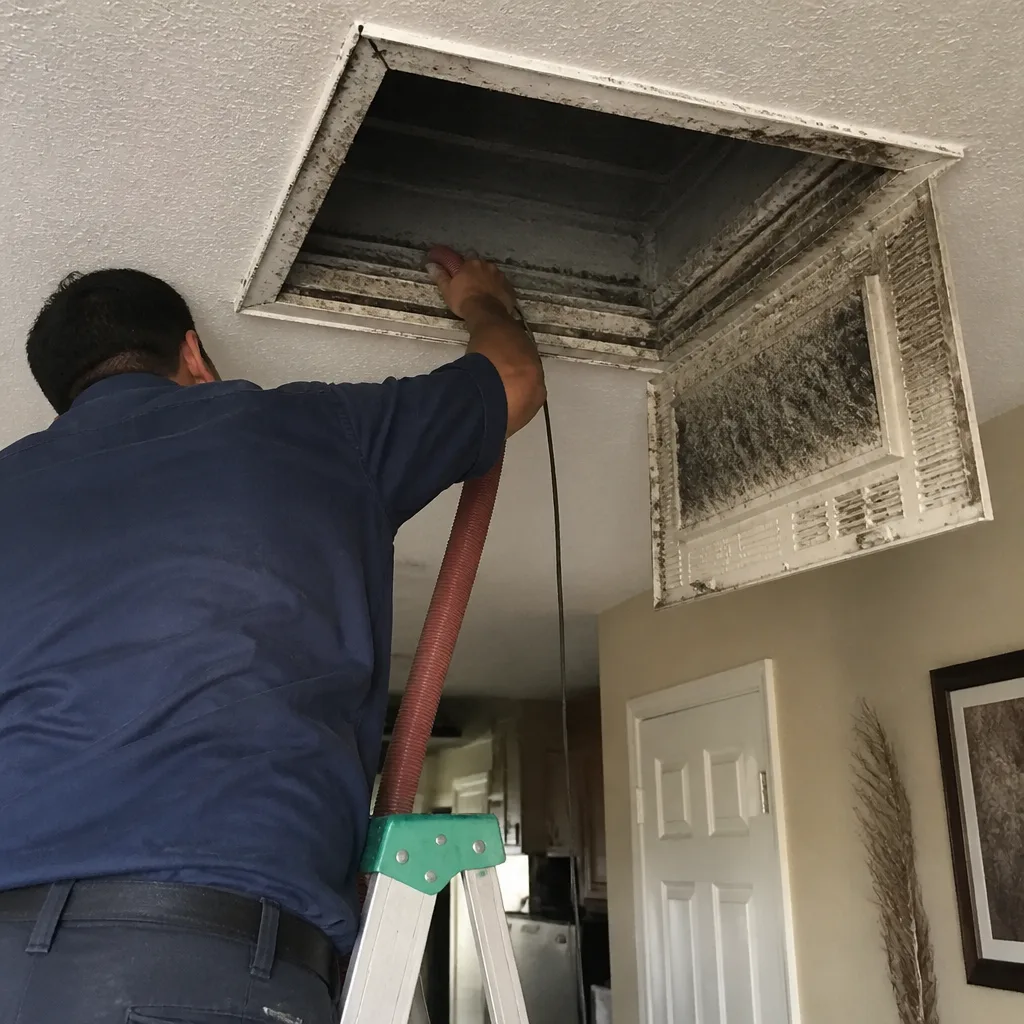 Before
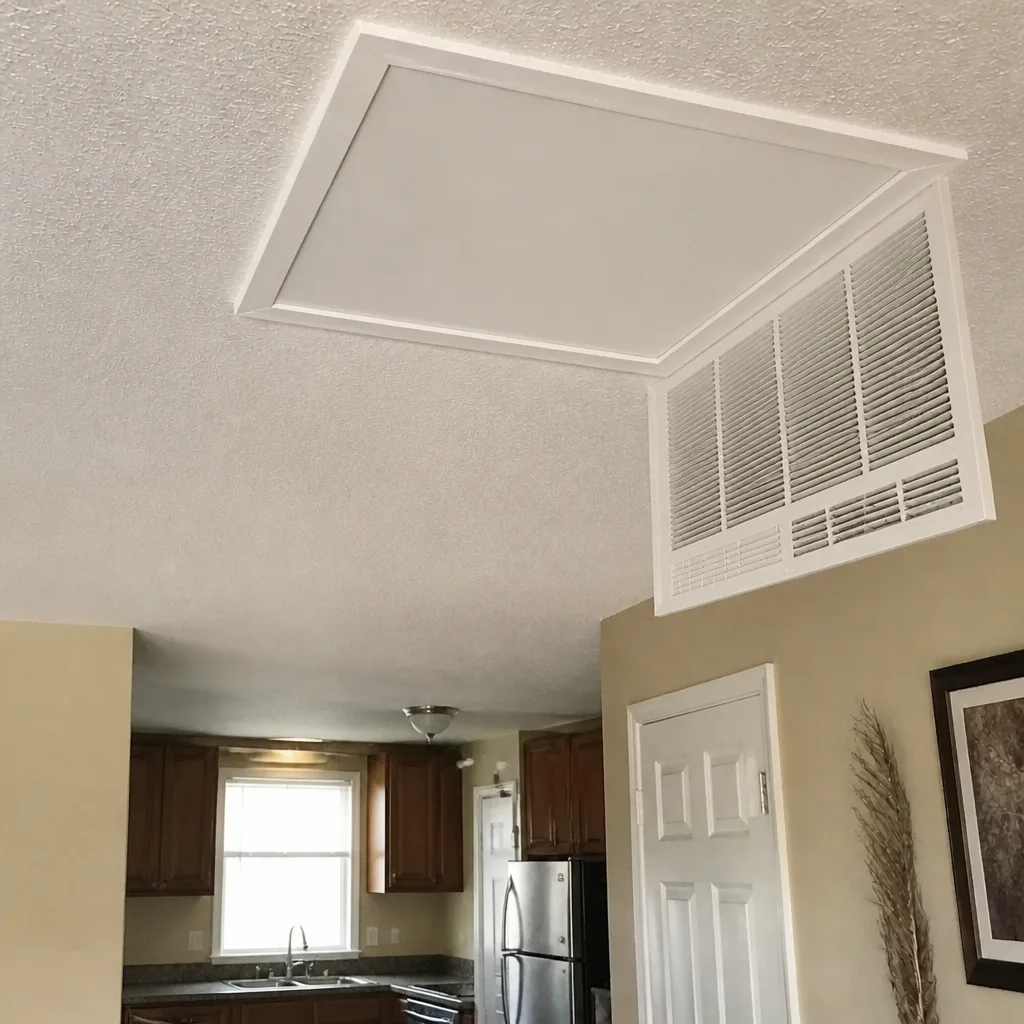 After
When to Call a Professional
Call a professional when a cleaning job has uncovered a visible disconnect, a crushed duct run, or an altered run you can’t trace back to the original install. Call when an HVAC service turned up duct leakage that isn’t just a worn gasket. Call when your system’s airflow has dropped without an obvious filter problem, or when a recent remodel moved a register. Call when you’re selling a Midland home and there’s no paperwork for a prior repair. And call if your current contractor won’t answer the permit question directly. Duct Cleaning Midland offers free estimates in Midland – call (844) 382-8255. We can walk you through what the code requires for your specific situation and what the written estimate will cover.
Frequently Asked Questions
No. Cleaning alone does not require a mechanical permit in Midland or anywhere else in Texas, because it doesn’t change the mechanical system. If the job includes repair, resealing a disconnected run, or replacing duct sections, a permit may be required. Call (844) 382-8255 for an exact scope question – estimates are free.
Cleaning removes debris from within the duct system without changing how it’s configured. Repair changes the system – reconnecting, resealing a disconnected run, replacing duct sections, or rerouting. That change is what pulls the work into mechanical permitting territory. When the boundary is unclear on a specific job, ask before work starts.
Often, yes. Midland home inspectors look closely at HVAC ductwork, and repairs without documented permits can surface as inspection findings that stall a sale or become a negotiation point. A closed permit is the cleanest proof you can hand a buyer.
The licensed mechanical contractor performing the repair pulls the permit, not the homeowner. Confirm in writing who that contractor is and that they’ll schedule the inspection and provide you a copy of the closed permit when work is complete.
Most inspections run inside a short window once the contractor requests one. Exact turnaround depends on the City of Midland building department’s schedule at the time; the contractor should tell you what they expect and follow up if it slips. The paperwork drawn from the inspection is the deliverable that matters.
That depends on what the repair actually changes. If a reseal restores a joint without changing the system, it may sit inside maintenance. If it reconstructs a connection or replaces a section, permitting likely applies regardless of how small it feels on the day. Ask the City of Midland building department directly; that answer governs.
The Bottom Line
Cleaning is not a permit trigger in Midland. Repair usually is. The tricky part is that cleaning jobs frequently uncover repairs, and contractors don’t always separate the two in writing or on the permit ledger. Ask the question before work starts. Get the answer in writing. Confirm who pulls the permit if one is required, and get the closed permit in your hands after the inspection. That paper trail protects you at resale, at insurance, and during any future HVAC service call. If a contractor can’t explain their position on permits under the Texas Mechanical Code, they’re telling you something about how they work. Call (844) 382-8255 for a free estimate. We answer 24/7. Fast dispatch from 7am to 7pm, Sunday through Friday.
Written by the team at Duct Cleaning Midland.