
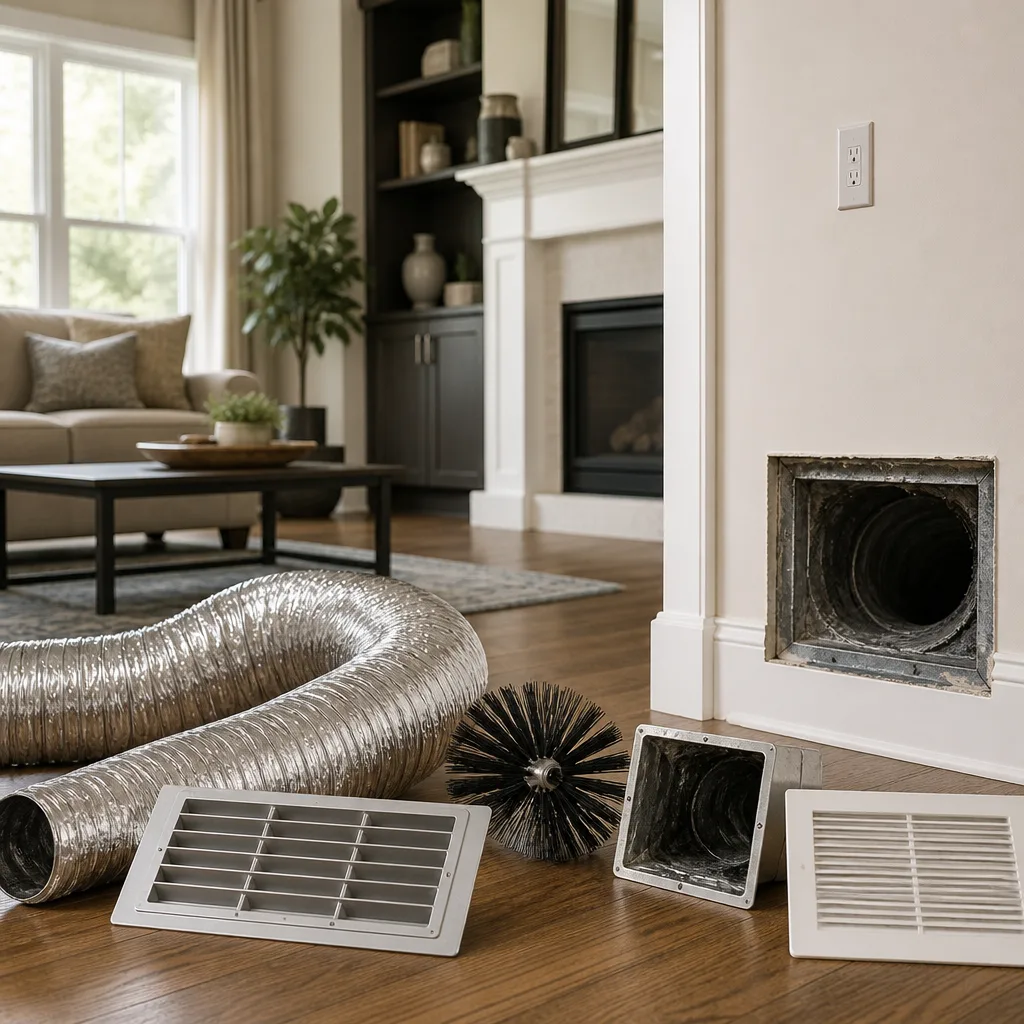
Last updated November 15, 2026
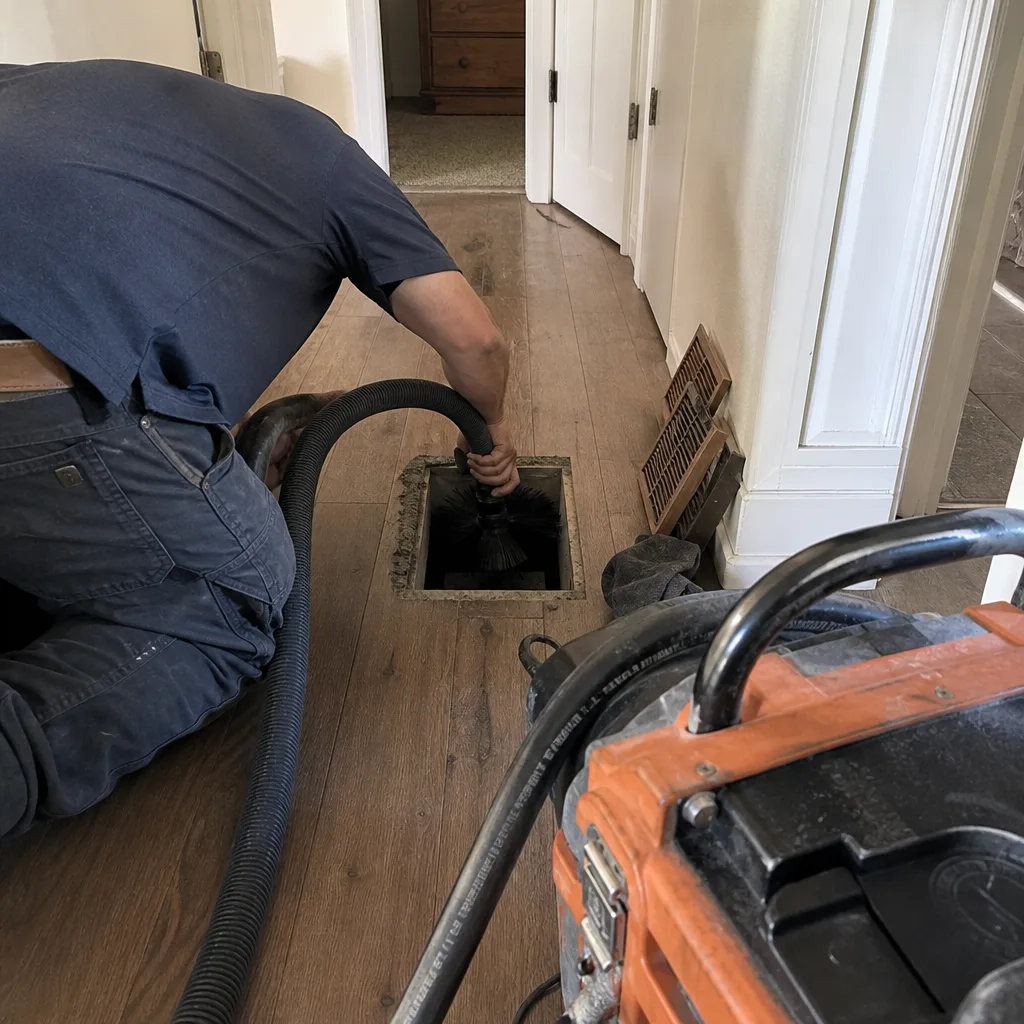
 Whole-home duct cleaning
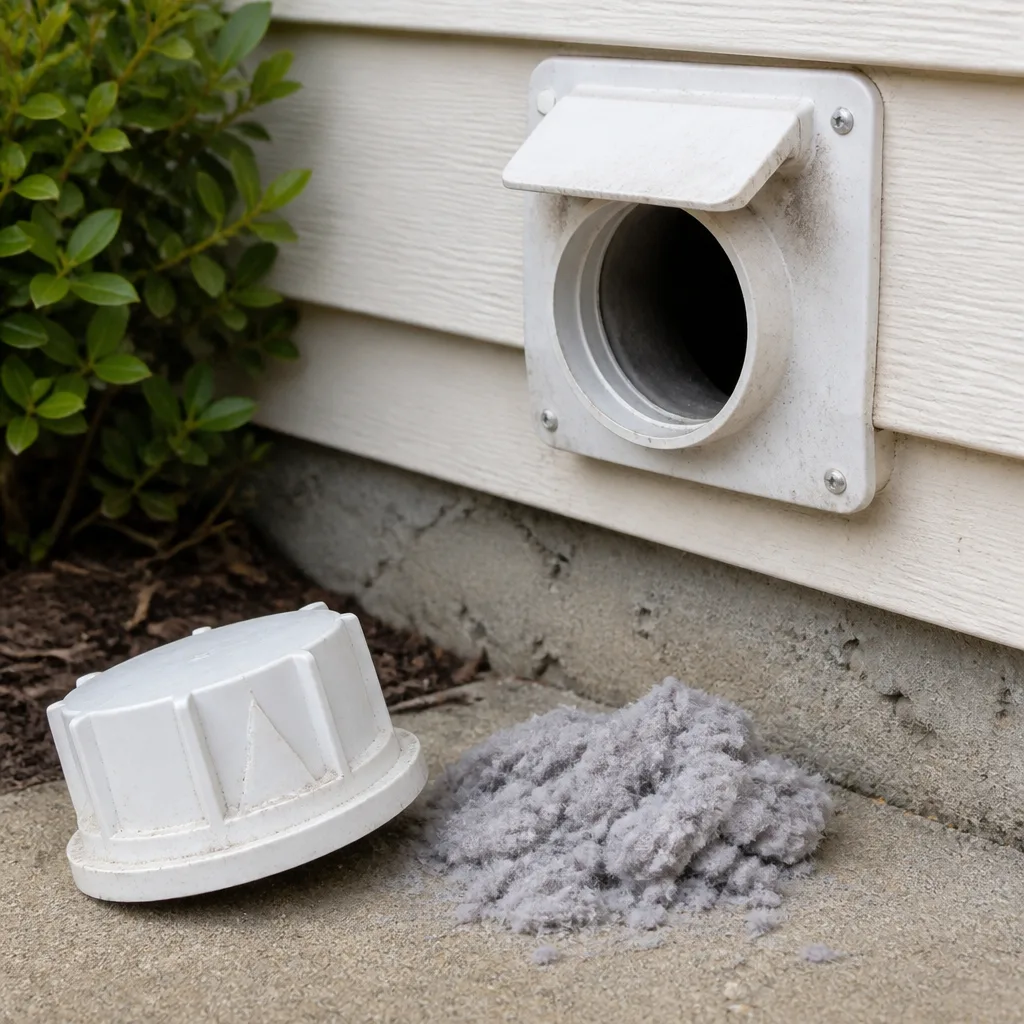 Dryer vent cleaning
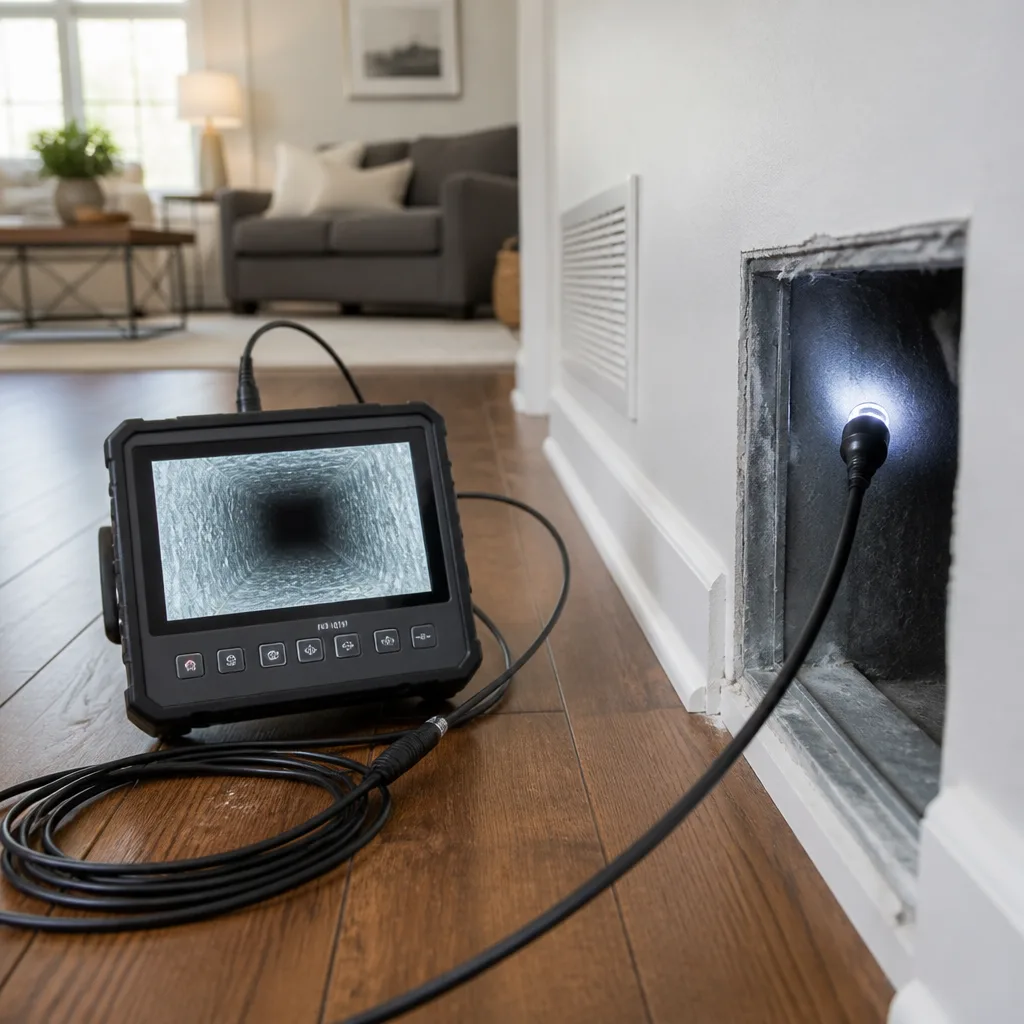 Camera inspection
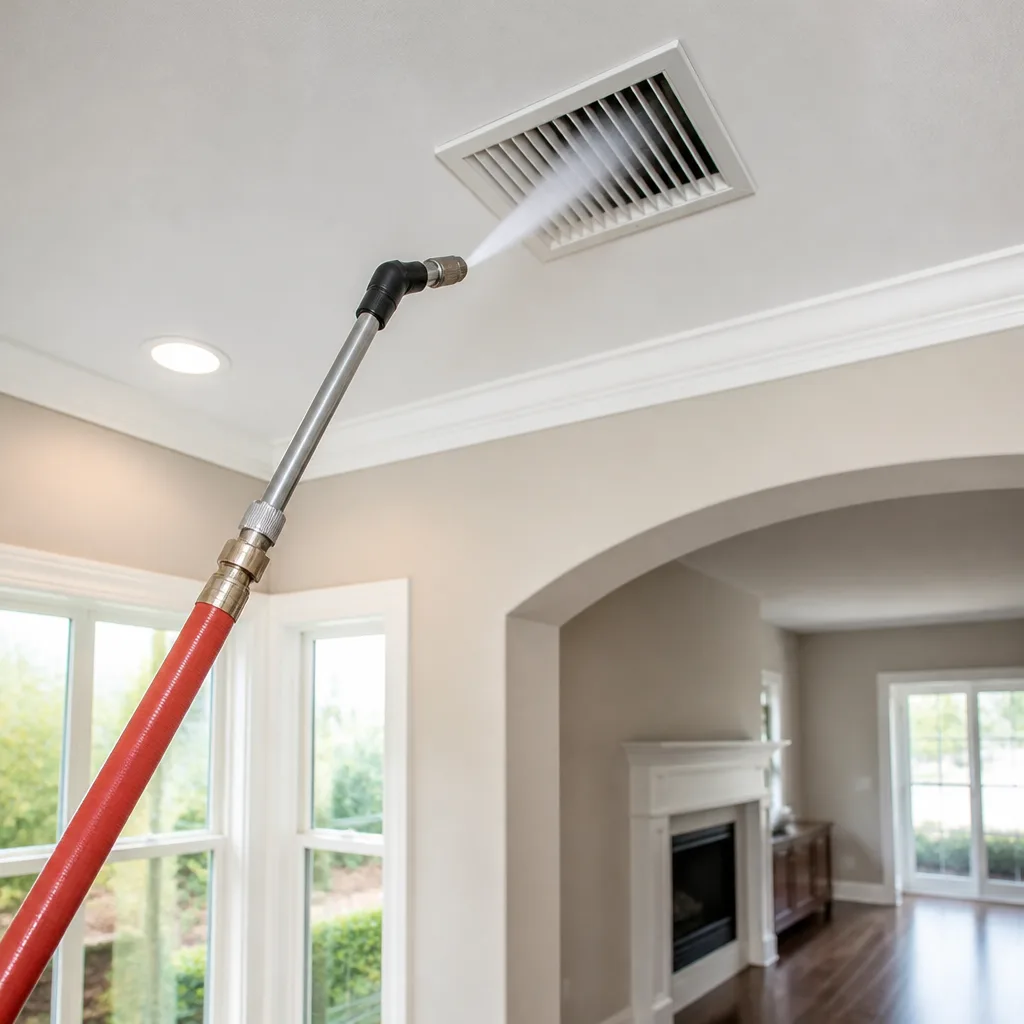 Sanitizing & deodorizing
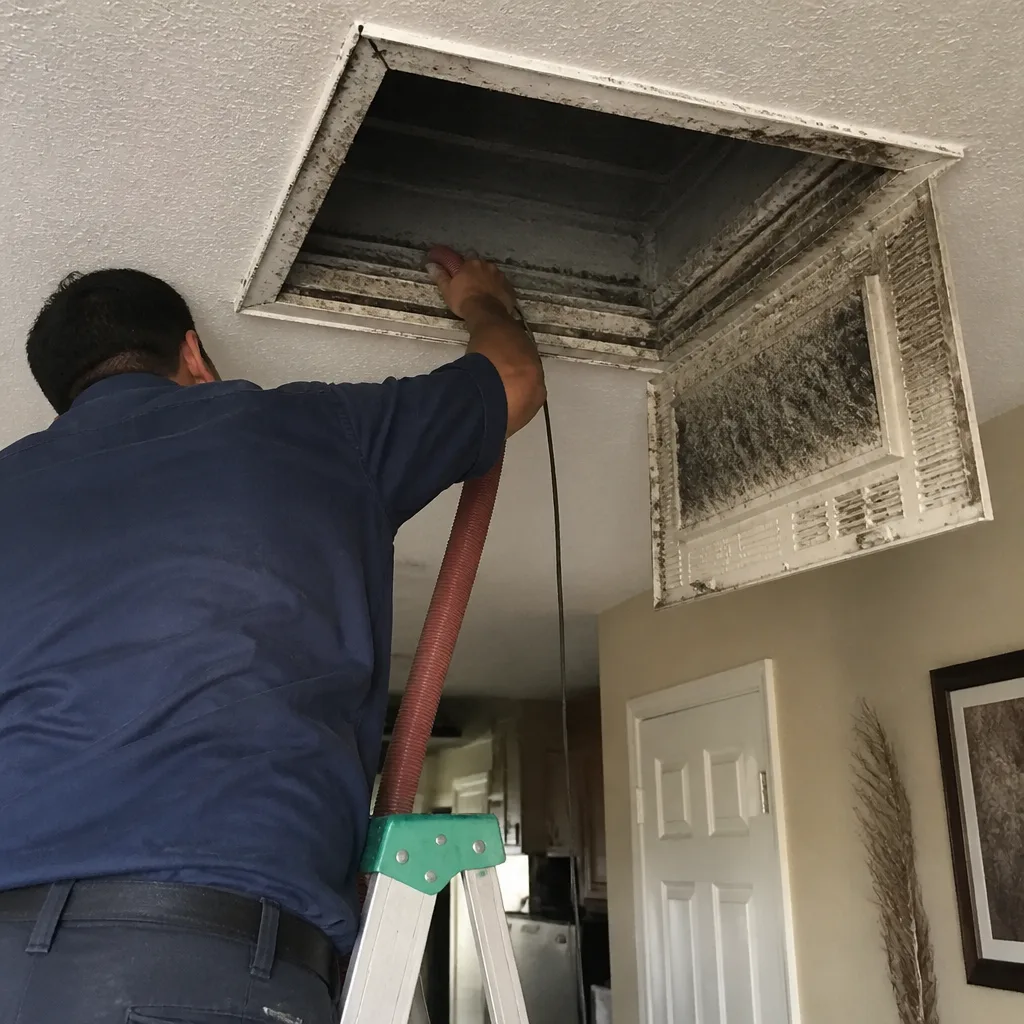
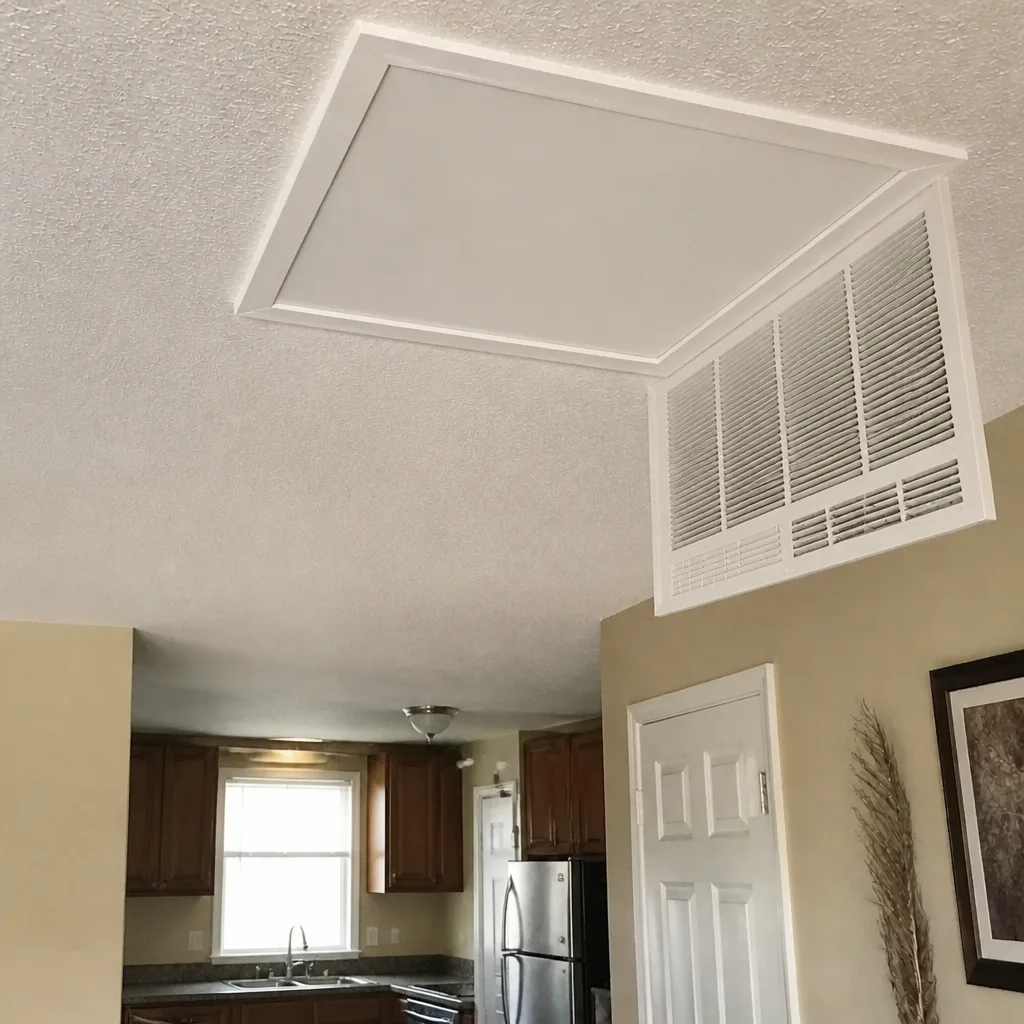
Whole-system duct and dryer vent check with before-and-after photos - you see exactly what came out of your vents
That "$99 whole-house special" is a bait ad - the real number appears once they are in your hallway, or the "clean" is a shop-vac at the register. We photograph the inside of your ducts before and after instead.
Choosing the Right Air Duct Cleaning Brand: A Buyer’s Guide for Midland
“Professional equipment” is a phrase that covers everything from a $200 shop vac to a truck-mounted negative pressure system worth tens of thousands of dollars. The gap in cleaning outcomes is roughly proportional to the gap in equipment cost, and most homeowners never see the difference until months later, when dust settles back out of the vents they just paid to have cleaned. Equipment brand names mean nothing to most people, but they’re the single most reliable signal of whether a contractor is serious about source removal or just blowing dust around your Midland home. This guide translates the technical differences between major equipment platforms into plain language, so you can ask the right questions and recognize a capable operator on the phone.
Quick Answer
Serious air duct cleaning depends on two things working together: mechanical agitation to break debris off the duct walls, and high-volume negative air pressure to pull that debris out and contain it. Contractors running rotary brush systems like Rotobrush alongside HEPA negative-air equipment from brands like Nikro are set up for source removal; anyone quoting a flat price without naming real equipment is generally not. In Midland, where dust is a fact of life and wind-blown particulate finds its way into return-side ductwork, that equipment list matters more than any online rating.
Styles & brands we work with
- Whole-home duct cleaning
- Dryer vent cleaning
- Camera inspection
- Sanitizing & deodorizing
Table of Contents
- Why Equipment Matters More Than the Brand Name on the Truck
- What Rotobrush Actually Does That a Shop Vac Can’t
- Nikro and the Negative Air Principle: Why Capture Beats Blowing
- Abatement Technologies: When You Need Containment, Not Just Cleaning
- How to Verify a Contractor Owns the Equipment They Advertise
- Filtration Systems: Cleaning Around Honeywell, Aprilaire and Guardsman Setups
- What the Job Doesn’t Need: Separating Real Gear From Add-Ons
- The Five Questions to Ask Before You Book
Why Equipment Matters More Than the Brand Name on the Truck
Duct cleaning isn’t a cleaning task. It’s a source-removal process, and the word “source” matters. The dust you see on the vent cover is a small fraction of what’s clinging to the inside walls of the ducts, sitting in the turns and elbows, and settled on the top of trunks the technician can’t reach from an open register. Removing that material requires equipment that dislodges it and equipment that removes it from the house. Those are two separate jobs, and most low-cost operators deliver neither.
When we talk to homeowners in Midland, we usually hear the same frustration: they paid for a “cleaning,” the technician hooked up a hose to a single register for fifteen minutes, and a few weeks later the dust is back. That outcome isn’t a mystery. It’s what happens when you run a consumer blower without mechanical agitation or a sealed vacuum path. The debris loosens slightly, redistributes through the system, and settles back where it started.
Here’s what a properly equipped job looks like, in plain terms:
- Every supply and return register gets worked, not just the main trunk. The technician accesses each branch line with the brush or air tool, not just the largest duct.
- One end of the system is under negative pressure while the other is being agitated. Debris goes out; it doesn’t go into your living room.
- The vacuum runs HEPA-grade filtration. Fine particulates don’t get exhausted back into the air your family is breathing.
- Ductwork gets inspected while open. Disconnected joints, crushed flex, and torn insulation get spotted because the system is fully accessible.
You don’t need to understand the machines to recognize the process. If a quote doesn’t describe both agitation and negative pressure, you’re looking at a partial job. That’s the whole test, and it takes about thirty seconds to apply.
What Rotobrush Actually Does That a Shop Vac Can’t
A Rotobrush system is a rotary brush attached to a flexible whip, driven by a compressor-style motor and paired with a simultaneous vacuum extractor. As the brush spins, it scrapes the inside wall of the duct, breaking the bond between the accumulated dust, lint, and biofilm and the sheet metal or flex liner underneath. The vacuum pulls the loosened material into a containment drum at the same time. Agitation plus extraction, running together, is the core principle.
Why does agitation matter so much? Because settled dust isn’t passive. Over time, the fine particles pack into a thin layer that’s held in place by static, moisture, and the natural tackiness of lint. A vacuum alone pulls at the surface of that layer and nothing deeper. The brush physically removes it. The step that low-budget operators skip, almost without exception, is the agitation step – because spinning a rotary brush through a full duct system is the slowest, most labor-intensive part of the job.
What Rotobrush handles well:
- Standard residential flex and sheet metal branches up to the size of typical Midland home supply runs.
- Return-side trunks with heavy lint accumulation, where the brush dislodges matted material that a beater-head can’t touch.
- Register boots and elbows, where loose debris tends to collect because airflow slows at the turn.
Rotobrush equipment is what professional remediation contractors use, not consumer-grade blowers marketed to homeowners. When you see it named on a quote, you’re looking at a contractor who invested in the right tool for wall-contact cleaning. That’s different from someone who bought a vacuum at a hardware store and is calling it a duct cleaning system.
The next step in the process, once the brush has done its work, is capture. That’s where air duct cleaning either succeeds or fails, and it’s the topic of the next section.
Nikro and the Negative Air Principle: Why Capture Beats Blowing
Nikro Industries builds the negative air machines and HEPA vacuum units that professional duct cleaners use to hold the duct system under pressure while brush work is happening. Think of it this way: if your ducts are a sealed tube and one end is under suction, anything dislodged inside the tube travels toward the suction. If they aren’t sealed, loosened debris travels toward the nearest open register, which is usually a room where someone is standing.
Nikro HEPA units are built around that principle. The machine pulls air out of the ductwork through a multi-stage filter, including a HEPA stage rated to capture fine particulates. That’s the difference between a cleaning and a redistribution. Homeowners who’ve had a bad duct cleaning experience often describe a fine white haze settling on furniture for a day afterward. That’s the exhaust end of a job where the machine wasn’t filtering.
Negative air machines do their most important work in three scenarios:
- Standard residential cleaning, where the goal is simply containment of dust during agitation.
- Post-storm debris extraction, after wind-driven material has entered the system through an open register or a compromised connection during a Midland dust event.
- Systems with visible biological growth, where the recovery process has to contain the material rather than release it into the room.
You don’t need to independently confirm every stage of filtration. You need to ask one question: “What negative air machine do you use, and is it HEPA?” If the answer is a brand name, you’re talking to someone who understands the process. If the answer is “we use a really strong vacuum,” keep looking.
Abatement Technologies: When You Need Containment, Not Just Cleaning
Abatement Technologies equipment sits in the same category as Nikro – professional-grade air filtration and scrubbing – but the scenarios where it earns its keep are a step above routine cleaning. Air scrubbers are deployed when the debris load in a system is heavy enough that even HEPA vacuum capture needs extra support, or when the workspace itself needs to stay clean while work is happening.
Jobs that typically justify a scrubber on site:
- Systems serving multiple rooms at once in light commercial settings, where dust containment across a large footprint requires additional filtration.
- Recently renovated spaces, where drywall dust and construction particulate have entered the ductwork and the tenant is still using the building.
- Homes with occupants who have respiratory concerns, where the priority is minimizing airborne particulate during the cleaning itself, not just afterward.
- Duct repair work that opens up more of the system than a standard cleaning would, exposing more surface area to the room.
What this category of equipment signals is intent. A contractor who brings an air scrubber to a job is telling you they thought through containment before they arrived. That’s the kind of planning you want on a system with a heavy accumulated load, and it’s the kind of thing most discount operators don’t own because the machine costs real money.
A drywall-dust-laden Midland home after a renovation, an older property with decades of accumulated lint on the return side, a small commercial space that can’t shut down while work is happening – all of those are jobs where Abatement-level equipment makes the difference between a contained process and a mess.
How to Verify a Contractor Owns the Equipment They Advertise
The market has a quiet problem: contractors who advertise equipment they don’t own. Some rent; some subcontract the actual work to another company and take a cut; some simply borrow language from a website template. None of those are illegal, but they change what you’re actually buying. If you book with a contractor who subcontracts, you’re paying a markup on someone else’s labor, and you have no way to know whether the crew that shows up is equipped for the job.
Here’s how to verify, in order:
- Ask for the equipment list before the estimate. A serious contractor can name their machines without hesitation. If they say “we’ll see what the job needs,” ask what the standard setup is.
- Ask whether the technician who arrives is a direct employee or a subcontractor. There’s no wrong answer, but you should know which one you’re getting.
- Ask to see the equipment when the technician arrives. Most are happy to show you the machine before work starts, and a refusal is its own answer.
- Ask what happens to the debris that gets removed. HEPA-collected material from a professional job gets disposed of properly, not dumped in a yard bag.
- Ask whether the quote includes a before-and-after record. Photos of your own ductwork before and after is the most direct proof you can get.
None of those questions are adversarial. Good contractors are used to them. In our experience, the ones who welcome the questions are also the ones who do the work in the first place. The ones who get cagey are telling you something useful.
When you’re comparing options across Midland, run this checklist against each quote. It separates capability from marketing in a way that a review page can’t.
Filtration Systems: Cleaning Around Honeywell, Aprilaire and Guardsman Setups
If your home has a whole-home air quality setup – a Honeywell media cabinet, an Aprilaire filter system, a Guardsman product in the filtration chain – duct cleaning has to be done without interfering with those components. That sounds obvious, but it isn’t standard. We’ve seen cleaning jobs that bypassed the media cabinet or pushed debris through a filter slot that then had to be replaced by the homeowner afterward.
What a filtration-aware cleaning looks like:
- The media cabinet gets isolated, not cleaned through, so the filter housing stays intact.
- The return-side ductwork upstream of the filter gets treated separately from the supply side, because the flow dynamics are different.
- Existing filter media is inspected and left in place unless replacement was already due. Cleaning shouldn’t void the cartridge.
- After cleaning, airflow is checked through the system to confirm the setup performs as it did before.
Guardsman coatings and protective treatments show up in some home filtration setups, and understanding how those interact with duct cleaning is part of the job. A contractor who’s worked on Honeywell and Aprilaire systems knows that whole-home filtration is a system, not a single filter, and that cleaning around it requires care. That’s a different skill set from cleaning a basic builder-grade system, and it’s worth confirming before you book.
The practical version: when you book, tell the contractor what filter system is installed. If they ask follow-up questions about the model or the setup, that’s a good sign. If they say “we’ll clean everything and you can reinstall the filter after,” that’s a signal to ask more questions.
What the Job Doesn’t Need: Separating Real Gear From Add-Ons
Duct cleaning quotes sometimes carry line items that don’t serve the job. UV lights, chemical treatments, “sanitizing mists,” and ionizers get sold on the back of a cleaning quote with language that sounds like improvement but often just adds cost. Some of those products have legitimate uses in specific scenarios, but they don’t belong on a standard residential cleaning.
What the job actually needs:
- Agitation tools that reach the full length of every branch and trunk.
- A negative air machine with HEPA filtration, running for the full duration of the work.
- Access to every register, including ones under furniture or behind closet doors that are easy to skip.
- An inspection of the ductwork inside, to catch disconnected joints, torn flex, or crushed sections.
- Before-and-after documentation of the work done.
What the job usually doesn’t need:
- UV light installations sold as part of cleaning. If you want a UV system, buy it as a separate product from a specialist, not from a duct cleaner with a box of them in the van.
- “Antimicrobial” fogging treatments. Some contractors offer it as a service; the case for it on a routine cleaning is thin, and it usually runs $150 to $300 on top of the quote.
- Filter upgrades pitched mid-job. A filter is a filtering decision, not a cleaning decision.
The question to hold onto: does this add-on serve source removal, containment, or repair? If not, it’s a line item searching for a reason. A contractor whose equipment matches their process doesn’t need to pad the invoice; the job is the job.
The Five Questions to Ask Before You Book
Most homeowners book a duct cleaning without asking anything. The result, all too often, is a technician, a shop vac, a forty-five-minute visit, and a few hundred dollars gone with no visible change in air quality. The five questions below take about five minutes on the phone and tell you almost everything you need to know.
- “What equipment do you use for agitation and what do you use for vacuum?” Look for rotary brush (Rotobrush or equivalent) plus HEPA negative air (Nikro or equivalent). If both answers are the same brand of shop vacuum, you’re done.
- “Do you clean every register or just the main trunk line?” Every register, every time. A quote that says “main lines only” is a partial job.
- “Is the technician who arrives your employee?” If they subcontract, find out who actually does the work and whether that company carries the equipment.
- “Can I see before-and-after photos of my own ducts?” The answer should be yes, with the photos taken on your job and not pulled from a stock gallery.
- “Is the price flat or does it change once you’re on site?” A written estimate before work starts is the standard. One flat price per system, agreed up front, is the only version that protects you.
This is also where cost gets decided honestly. Budget your expectations against whole-system pricing, not per-vent teaser rates – a real cleaning reflects the hours the equipment and technician actually spend in your system. The written estimate sets the final price, and on a properly equipped job, that price reflects the work, not a bait-and-switch.
When you’re ready to compare quotes, the same five questions travel with you. Ask them of every contractor. The answers will sort themselves quickly, and the ones who welcome the questions are usually the ones already running the right equipment.
Common Mistakes to Avoid
- Booking on price alone. A low coupon price usually means a shorter visit with less equipment. The gap between a $99 quote and a properly equipped job reflects what’s happening (or not happening) inside your ducts. In Midland, where dust settles back into the system fast, that difference shows up within weeks.
- Not asking what equipment is in the van. “We have professional equipment” means nothing without a name. Ask, and expect an answer that matches the process described above.
- Skipping the register walkthrough. Some registers hide behind furniture, in closets, under beds. If the technician only works the visible ones, a big percentage of your system never gets touched.
- Assuming one vendor does it all. Duct cleaning, duct repair, and dryer vent work are three different jobs that get bundled by some contractors and handled properly by others. A company that can do all three under one roof avoids the “call this other company for the repair” problem.
- Ignoring the dryer vent. Dryer vents are a leading cause of residential fires, and they accumulate lint year-round. A dedicated dryer vent cleaning is a safety service, not a convenience add-on.
- Accepting a quote without a written scope. A written estimate that names the equipment, the registers covered, and the flat price is your protection. Verbal quotes that change once the technician is on site are the industry’s most common complaint.
- Believing the upsell story about UV lights. Whole-home UV systems have their place, but a duct cleaning job isn’t the moment to buy one. If a contractor is bundling UV installation into a routine cleaning quote, they’re padding the invoice.
See the difference
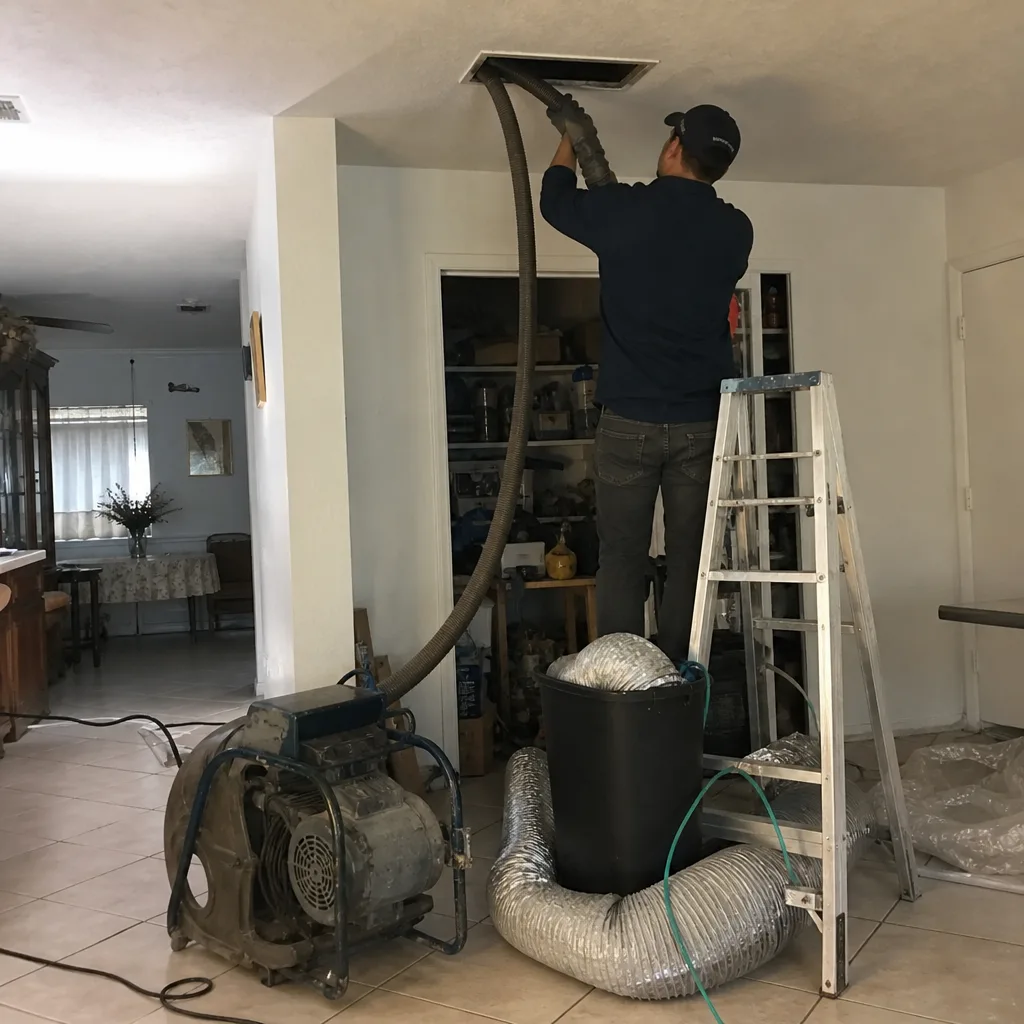 Before
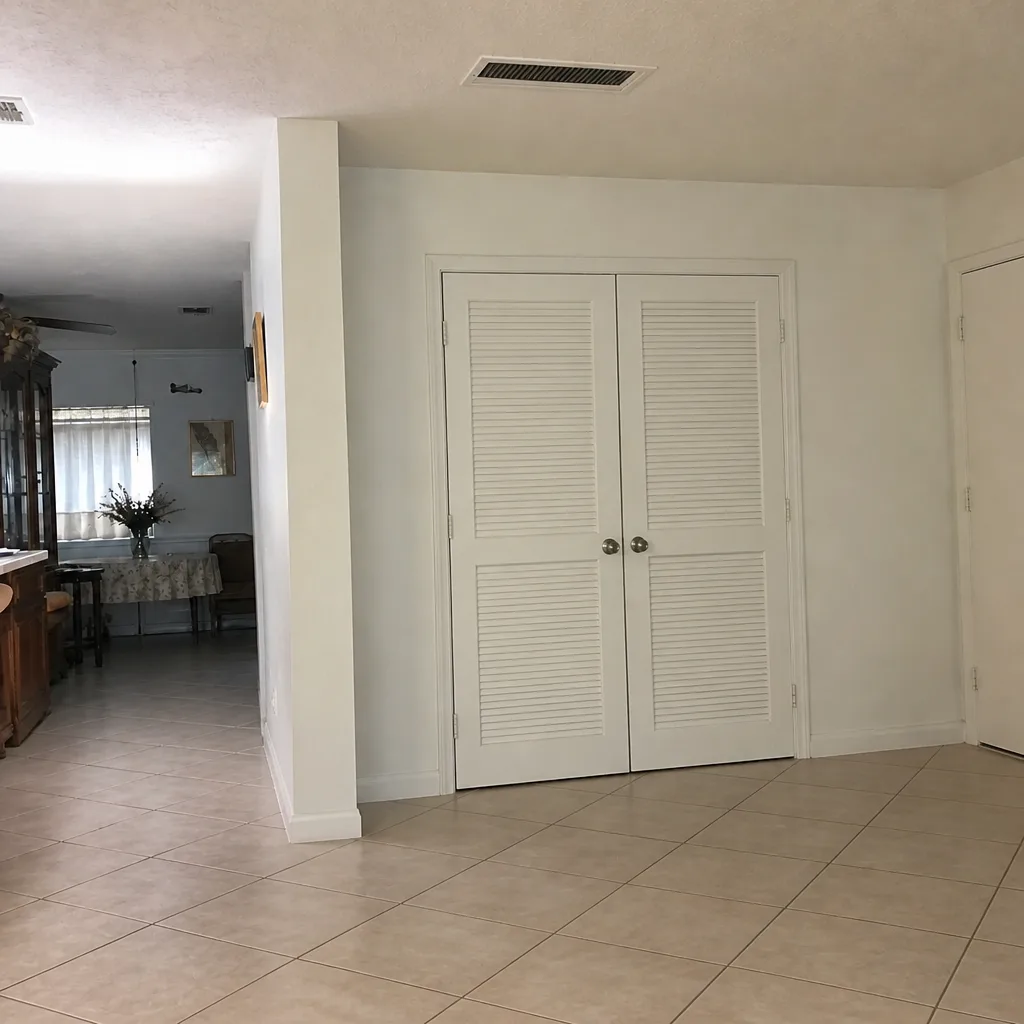 After
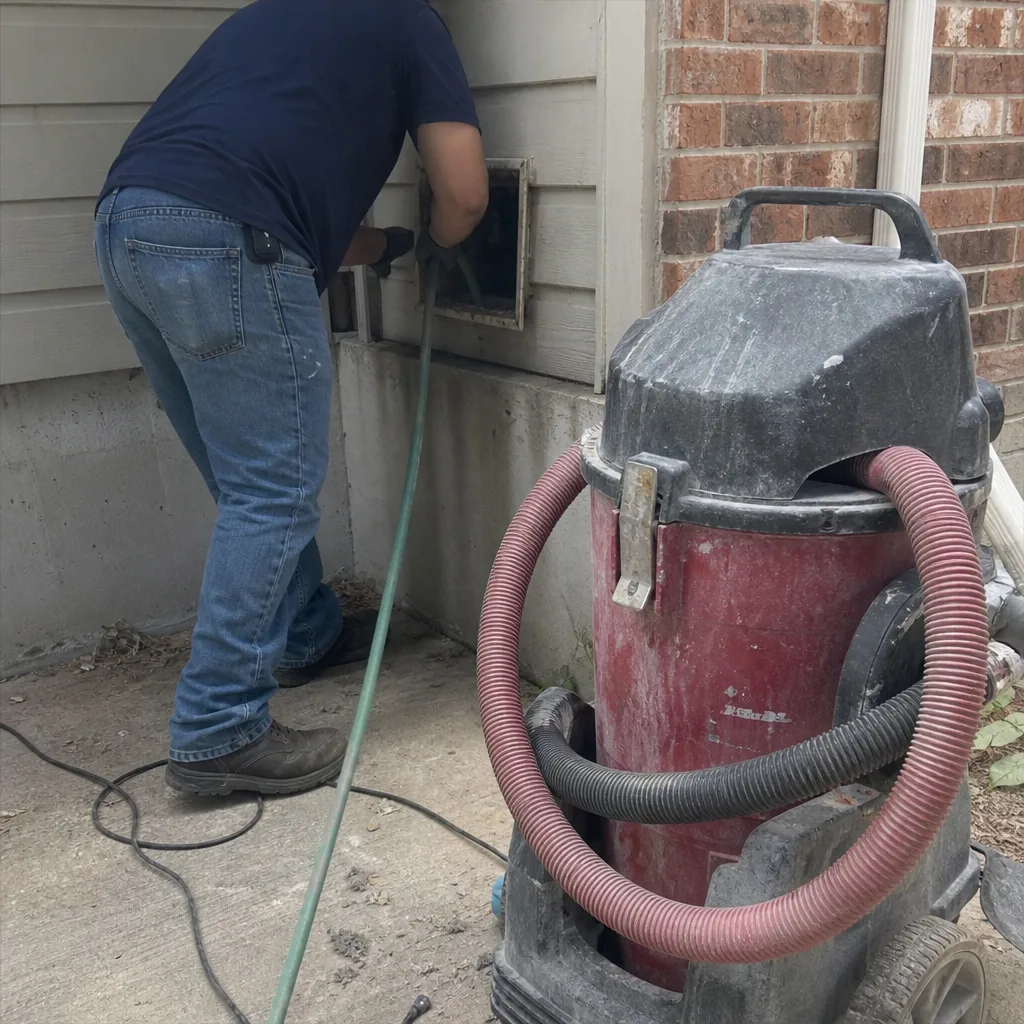 Before
 After
 Before
 After
When to Call a Professional
Some duct conditions are obvious and some aren’t, but the following scenarios all warrant a professional visit. Persistent dust settling on furniture within days of cleaning, musty odors that show up when the system kicks on, visible dust streaks around registers, allergy symptoms that flare up indoors and ease outdoors, a recent renovation that left drywall dust in the return system, an HVAC service call where the technician noted debris in the ductwork, or a dryer taking longer than it used to dry a load. Age of the system also matters – if you’ve owned the home for years and have no record of a cleaning, that’s reason enough on its own. Duct Cleaning Midland offers free estimates in Midland – call (844) 382-8255. We answer 24/7. Fast dispatch from 7am to 7pm, Sunday through Friday.
Frequently Asked Questions
Residential air duct cleaning in Midland typically prices per system, not per vent, and the final number depends on how many registers, how many systems, and how much accumulated debris the technician finds. A single-system home is one flat price; a two-system home is a larger flat price. The written estimate you receive before work starts is the number you’ll pay – it doesn’t move once the technician is on site. Call (844) 382-8255 for an exact quote – estimates are free.
Because they’re describing a different job. A quote that comes in at a fraction of the standard price usually reflects fewer hours, less equipment, and fewer registers touched. If a contractor shows up without a rotary brush system or a HEPA negative air machine, they aren’t doing the same scope of work as the contractor who quotes the reasonable rate. The comparison isn’t apples to apples, and going with the cheaper number usually means paying twice. Call (844) 382-8255 for an exact quote – estimates are free.
Ask for before-and-after photos of your own ductwork. A properly equipped contractor has the camera and the workflow to document the job. Combined with the register walkthrough – every register, every time – and a written scope that names the equipment used, you get a clear picture of what happened inside your system. Vague assurances and a receipt aren’t the same thing. Call (844) 382-8255 for an exact quote – estimates are free.
For most Midland homes, every three to five years is a reasonable rhythm. But the schedule shifts based on what’s happening in the house: recent renovation, pets, high dust environments, or a new HVAC install can compress the timeline. If you notice dust returning within weeks of a cleaning, that’s a signal the previous job didn’t remove the source – not that the interval is wrong. Call (844) 382-8255 for an exact quote – estimates are free.
It can reduce the amount of dust and particulate circulating in the air your system moves, and for many people that reduction is noticeable. It doesn’t treat allergies or remove allergens from every surface in the home – that’s a respiratory health question for a doctor. What proper duct cleaning does is cut down the reservoir of material the system has access to, which is a different and more modest claim than the marketing language you’ll see elsewhere. Call (844) 382-8255 for an exact quote – estimates are free.
In most cases yes. Air duct repair is a core service, not a follow-up appointment. If the inspection reveals a disconnected joint, torn flex, crushed section, or a connection that wasn’t sealed properly during installation, the technician can patch, seal, or reconfigure it during the same visit rather than leaving you to find a second contractor. That’s often where the real air-quality benefit shows up – sealing a big leak in the return side can make a bigger difference than the cleaning itself. Call (844) 382-8255 for an exact quote – estimates are free.
The Bottom Line
Equipment is the most reliable signal of whether a duct cleaning contractor is set up for source removal or just surface work. Rotary brush agitation plus HEPA negative air capture is the process; the brand names – Rotobrush, Nikro, Abatement Technologies – are shorthand for whether that process is happening. Everything else, from UV lights to antimicrobial fogging, is a line item searching for a reason. In Midland, where dust and airborne particulate are a year-round reality, that distinction shows up in a matter of weeks. Use the five questions. Ask what equipment arrives. Require a written estimate with a flat price. Duct Cleaning Midland brings industrial-grade equipment and residential care to every Duct Cleaning Midland visit – one flat price per system, before-and-after photos of your own ducts, and duct repair on the same visit when it’s needed. Call (844) 382-8255. We answer 24/7. Fast dispatch from 7am to 7pm, Sunday through Friday. Estimates are free, and the written estimate sets the final price.
Written by the team at Duct Cleaning Midland.