
Last updated November 15, 2026
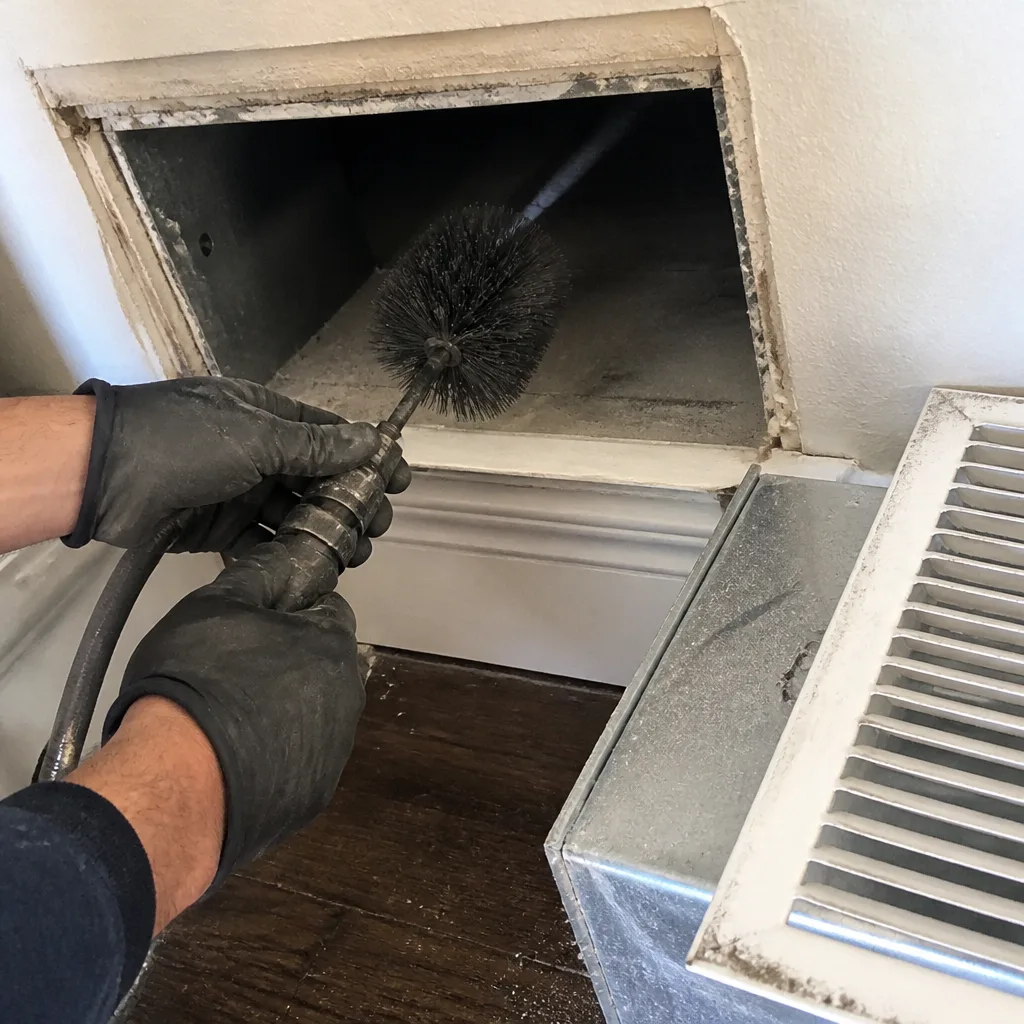
 Whole-home duct cleaning
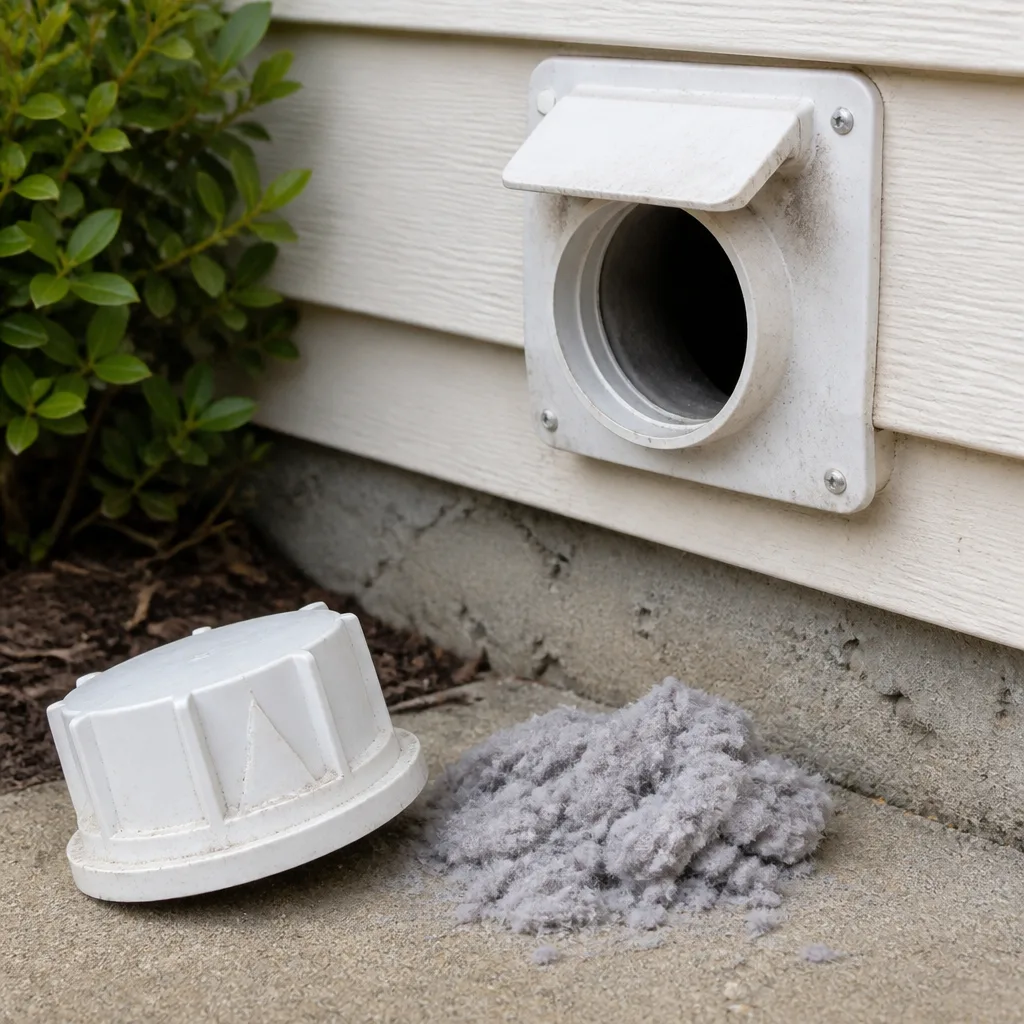 Dryer vent cleaning
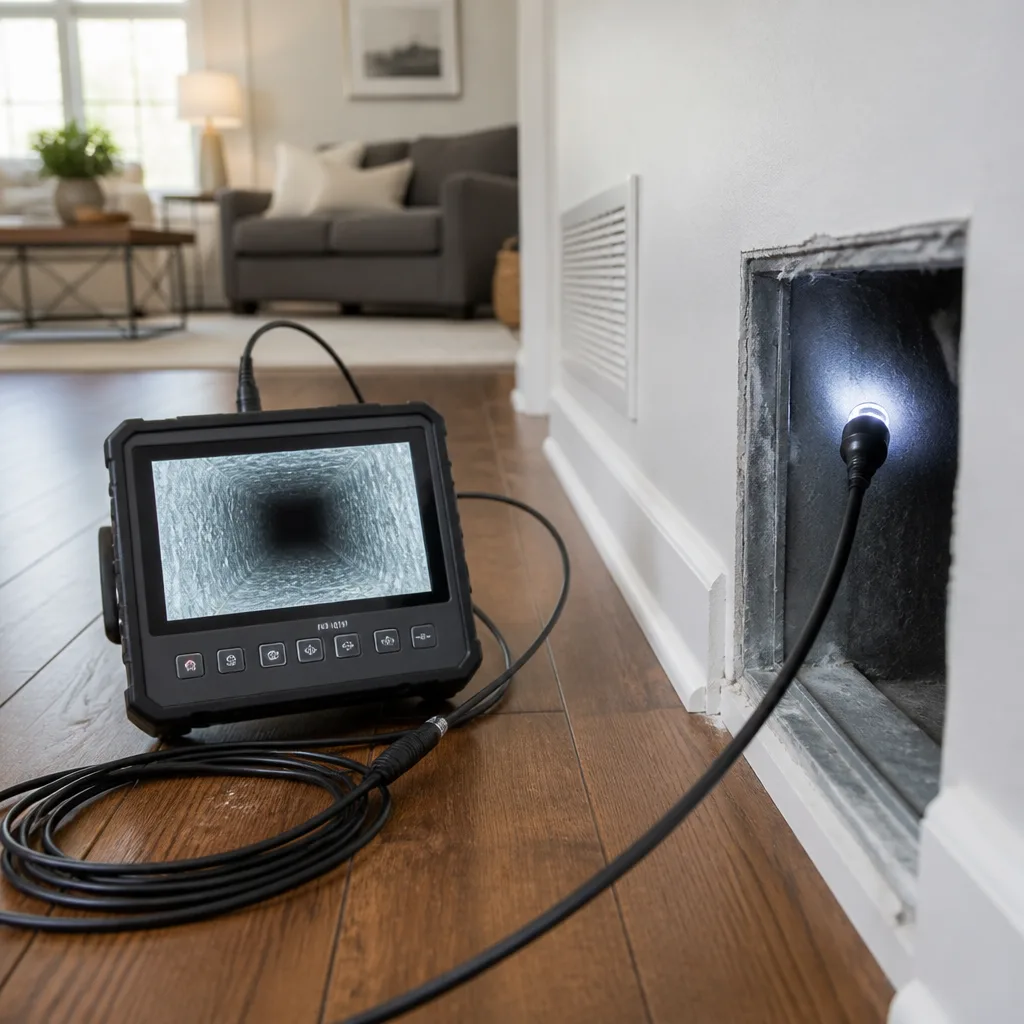 Camera inspection
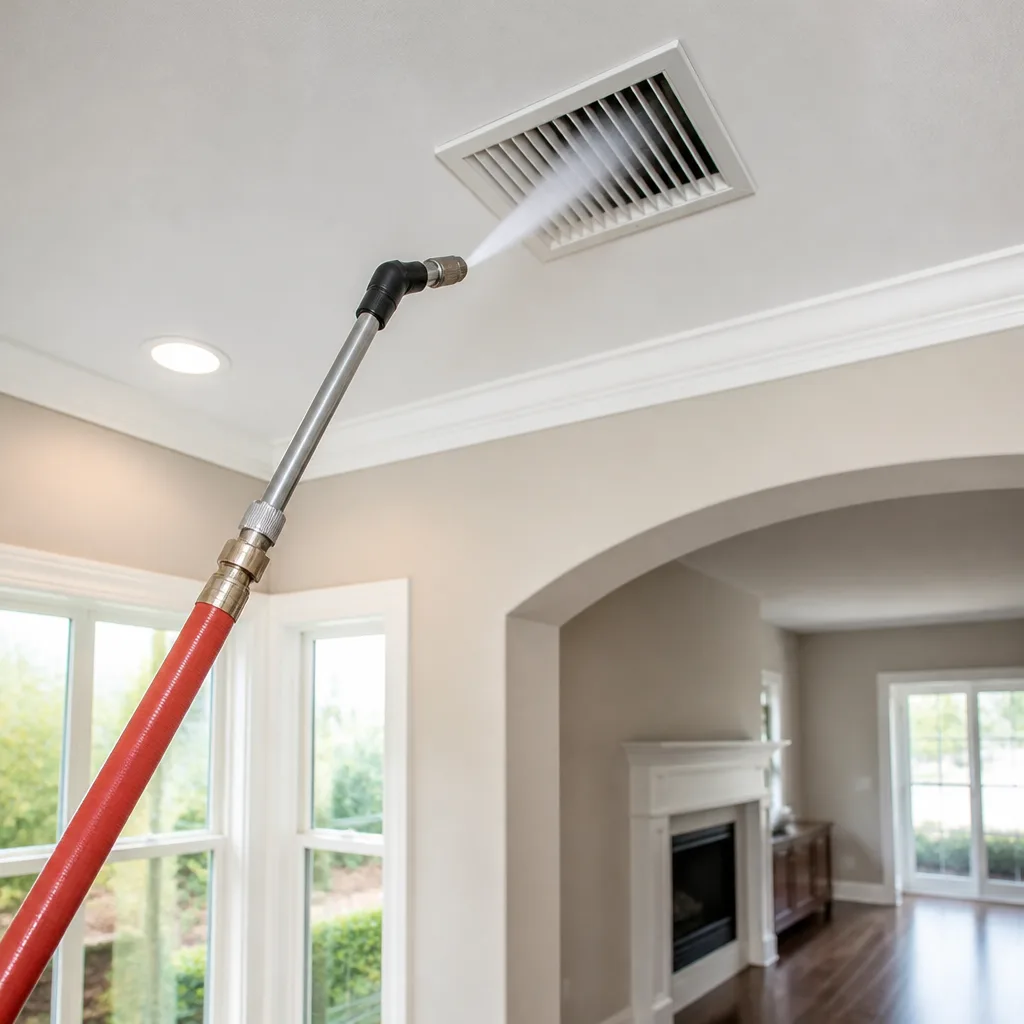 Sanitizing & deodorizing
Whole-system duct and dryer vent check with before-and-after photos - you see exactly what came out of your vents
That "$99 whole-house special" is a bait ad - the real number appears once they are in your hallway, or the "clean" is a shop-vac at the register. We photograph the inside of your ducts before and after instead.
Air Duct Cleaning Warning Signs: A Midland Homeowner’s Reference Guide
The most-repeated piece of advice about duct cleaning is also the most misleading: if you see dust on your supply registers, your ducts are dirty. Sometimes that’s true. Often it isn’t. A gray film on a grille can be nothing more than household dust settling on a surface you never wipe, and replacing an entire duct cleaning with a five-minute pass with a damp cloth is a real option. The interesting question isn’t whether you see dust. It’s what kind of dust, where it shows up, and what it tells you about the metal behind the grille. This guide walks through each warning sign in Midland as a diagnostic clue rather than a sales trigger, so you can tell an urgent problem from routine housekeeping and know exactly what to say when you call.
Quick Answer
Real warning signs of dirty ducts are specific: debris that blows out of registers when the blower starts, musty or metallic odors that appear only when the system runs, rooms that never heat or cool evenly despite a healthy HVAC unit, and visible accumulation at return grilles after a dust event. Surface dust on a supply register by itself is not a reliable sign and usually just means the grille needs a wipe.
Styles & brands we work with
- Whole-home duct cleaning
- Dryer vent cleaning
- Camera inspection
- Sanitizing & deodorizing
Table of Contents
- Dust at Supply Registers vs. Debris Discharge: How to Tell Them Apart
- What Musty, Metallic, or Organic Odors From Vents Actually Mean
- Uneven Room Temperatures: Leakage, Blockage, or Balancing?
- The Midland-Specific Sign: Debris at Return Grilles After a Dust Event
- Allergy Symptoms That Track With HVAC Operation
- The Warning Sign Most Homeowners Miss: The Dryer Vent
- How a Professional Evaluation Actually Works
- How to Decide Whether You Need Cleaning, Repair, or Neither
Dust at Supply Registers vs. Debris Discharge: How to Tell Them Apart
Dust sitting on a supply register is usually surface debris. It settles there from room air, collects on the grille vanes, and stays put whether the system runs or not. Wipe it with a damp cloth. If it comes back in a week and only in certain rooms, that’s worth noting. If it comes back in a month across the whole house, that’s normal household dust load.
Debris discharge is different, and you’ll notice it at the moment the blower starts. When the fan kicks on after a period of rest, a burst of air pushes through the ducts and can carry loose material with it. The tell is timing: particles appearing in the seconds right after startup, then stopping as airflow stabilizes. That pattern points to material resting inside the duct and being lifted by sudden pressure, which is what you’d expect from accumulated debris on the duct floor or a deteriorating interior liner.
Here’s how to check without climbing into the attic:
- Turn the system off and let it sit for at least thirty minutes.
- Hold a white paper towel or a piece of dark construction paper near a supply register.
- Turn the system on and watch for the first ten seconds.
- A single puff of dust at startup that clears immediately is common and usually harmless.
- A visible cloud that continues for several seconds, or grit that lands on the paper, is a real discharge sign.
- Repeat in three or four rooms. One register behaving this way is usually a local issue; most of them is a system-wide one.
That distinction matters. A single register discharging debris may just need the branch line checked. Whole-house discharge is the kind of pattern that points to the main trunk, and that’s when professional air duct cleaning moves from optional to sensible. We’ve seen both patterns in Midland homes, and the startup test is the fastest way to sort them.
What Musty, Metallic, or Organic Odors From Vents Actually Mean
Odor is the most diagnostically useful warning sign because it usually tells you what kind of problem you have, not just that you have one. The rule of thumb: note whether the smell appears only when the system runs, or is present all the time regardless of airflow.
Musty or earthy smells
Musty odor that appears when the blower runs generally points to biological growth, and the growth isn’t always in the duct itself. It’s often on the evaporator coil, in the drain pan, or on damp insulation near the air handler. West Texas is dry, but a clogged condensate drain or a pan that doesn’t fully empty creates a small wet environment that stays wet. If the smell is strongest at the registers closest to the air handler, look there first. If it’s strongest at registers far from the unit, the growth may be inside the duct run.
Metallic smells
A metallic or sharp, tinny odor usually means oxidation or friction somewhere in the system, not biological growth. Galvanized duct that has been damp can oxidize and produce a faint metallic smell. So can a blower motor or belt running hot. Metallic odor combined with any unusual noise is worth an HVAC service call before you think about duct cleaning.
Organic, animal, or ammonia smells
Pest intrusion has a distinct signature. Rodents leave droppings, nesting material, and urine, and the smell is sharper and more persistent than mustiness. It tends to appear in the same rooms each time and doesn’t fade when the system is off. In Midland, rodent activity in attic duct runs and in the flexible connections near the air handler is common enough that technicians know to check for it. Pest contamination in ductwork is not a cleaning-only problem; the entry point has to be sealed or the problem returns.
- Musty, appears only with airflow: likely biological growth on coil, pan, or damp insulation.
- Metallic, present with or without airflow: likely oxidation or a component running hot; check the equipment.
- Sharp, organic, localized to certain rooms: likely pest intrusion; the entry point matters as much as the cleaning.
- Chemical or solvent smell: stop using the system and get it looked at. That one isn’t a cleaning question.
Uneven Room Temperatures: Leakage, Blockage, or Balancing?
When one room never gets comfortable, homeowners usually assume the ducts are dirty. Often they aren’t. Uneven temperatures come from three separate causes, and each has a different fix, so identifying the right one saves you from paying for work that won’t solve the problem.
Duct leakage
Leakage is the most common culprit in older homes, and it doesn’t show up as dust. It shows up as a room that runs hot in summer no matter what the thermostat says, or a room that’s cold while the rest of the house is fine. Leaks at joints, at the plenum connection, and at disconnected flexible runs send conditioned air into the attic instead of the room. In Midland’s summers, that’s air you paid to cool going somewhere useful to nobody. A leakage problem is solved by sealing and repair, not by cleaning.
Blockage
Blockage means something is physically in the way: a collapsed flexible run, a damper stuck closed, furniture over a return, or debris packed into a branch. Blockage tends to affect one room or one zone and gets worse over time. It’s also the one where cleaning and repair overlap, because a partially blocked branch line often needs debris removed and the run checked for damage at the same time.
Balancing
Balancing is an airflow distribution issue, not a cleanliness one. Every system has dampers, and when they’re set wrong, or when no one has ever adjusted them, some rooms get more air than others. The test is straightforward: if the same rooms are always off by roughly the same amount, and the system otherwise runs normally, it’s likely balancing or leakage. If the pattern is new or getting worse, look at blockage and equipment first.
A quick temperature check: place an inexpensive thermometer in the problem room and one near the thermostat, run the system for an hour, and compare. A small difference is normal. Several degrees of persistent difference is a duct system symptom worth having evaluated. Our experience in Midland is that homeowners often expect cleaning to fix a leakage problem, and the right advice is sometimes to repair instead. The full scope of what we handle is laid out on the Duct Cleaning Midland page, and repair is part of that scope rather than an afterthought.
The Midland-Specific Sign: Debris at Return Grilles After a Dust Event
Midland has a dust season, and it can be a heavy one. Wind-driven dust and caliche fines move through the air, and homes here take in more airborne particulate than homes in wetter climates. That has a practical consequence for your return grilles, which are the intake side of the system and often the first place visible accumulation shows up.
Some accumulation at a return grille filter is normal and expected. The question is threshold. Here’s how to judge it:
- Light dusting on the grille face: routine. Vacuum it and move on.
- Visible buildup on the filter that you can knock off in a sheet: the filter is doing its job, but it’s loaded. Change it.
- Dust and debris past the filter, on the duct side of the grille: this is the threshold that matters. Debris is getting past your filter, which means the duct interior is taking on load.
- Debris accumulation at multiple returns within a few days of a dust event: worth a professional evaluation, because that’s a load the system isn’t designed to shed.
- Any visible material with texture (grit, caliche fines, fibrous material): professional evaluation, not a wipe-down.
The reason the return side matters more than the supply side is direction of travel. Air moves from the living space, through the return, into the equipment, then out the supply. Whatever gets past the return filter lands on the coil before it ever reaches a supply register. A coil fouled with caliche dust loses efficiency and that’s an HVAC performance problem disguised as a duct problem. If you’ve had a recent HVAC service call where the technician mentioned a dirty coil, that’s a strong signal to look at the return side and the duct interior. The same pattern shows up in Midland homes in the spring wind months more than any other time of year.
Allergy Symptoms That Track With HVAC Operation
The most useful thing you can do with allergy or respiratory symptoms is document the pattern before you call anyone. “I’ve been sneezing more” gives a technician nothing to work with. “Symptoms are worse in the bedroom, worse in the hour after the system starts, and better on days the system doesn’t run” gives a clear diagnostic thread.
Keep a simple log for a week or two:
- Note the time the system starts and stops each day, or set the fan to run continuously for a few days so timing is predictable.
- Record symptom severity at three points: first thing in the morning, one hour after the system has run, and late in the day.
- Note which rooms symptoms are worst in, not just the house in general.
- Write down whether windows were open, whether it was a windy or dusty day, and whether you changed a filter.
- Bring the log to the appointment. A pattern across a week is far more persuasive than a single bad day.
Be clear about what this can and can’t prove. Duct condition can contribute to indoor particulate levels, but symptoms have many causes, and no honest contractor should promise that cleaning will resolve them. What cleaning and repair can do is remove a known reservoir of accumulated material and seal paths that let attic or exterior air into the system. That’s a process outcome, not a health guarantee. The point of documenting the pattern is to make sure the work, if it happens, addresses the room and the timing that’s actually bothering you.
The Warning Sign Most Homeowners Miss: The Dryer Vent
Every warning sign above is about the air duct system. There’s a second duct system in most Midland homes, and its failure mode is a fire hazard rather than a comfort problem. The dryer vent is short, often hidden behind the dryer, and almost never inspected. Lint accumulates on the interior walls, airflow drops, and the dryer runs hotter because it’s moving less air.
The warning signs are specific and worth knowing:
- Clothes take noticeably longer to dry than they used to, and it’s getting worse.
- The dryer body or the top of the machine is hot to the touch when running.
- The outside vent flap doesn’t open fully or doesn’t open at all during a cycle.
- Lint is visible around the dryer connection or behind the machine.
- The laundry room feels more humid than the rest of the house during a cycle.
- You can’t remember the last time the vent run was cleared.
Any one of those is a reason to have the vent evaluated. Two or more together is a reason to stop using the dryer until it’s cleared. This is a dedicated service for us, not an add-on to a duct cleaning, and the work is about clearing the run and confirming airflow, framed around risk reduction rather than a promised health outcome. Detailed scope sits on our dryer vent cleaning page. A dryer vent doesn’t have springs or high-voltage components, so there’s no danger in clearing lint yourself with a brush kit if you can reach the whole run, but most homes here have a run that goes up and out through a wall you can’t easily access, which is where professional equipment earns its keep.
How a Professional Evaluation Actually Works
An honest evaluation starts before any equipment comes out. It starts with questions about what you’ve noticed, then a visual look at the accessible parts of the system, and only then a recommendation. If a company quotes you a price before seeing the inside of the duct, that’s a sign to slow down.
Here’s what a careful evaluation involves:
- Interview. Which rooms, what timing, what the symptoms are, and what you’ve already tried.
- Visual inspection at grilles. Return and supply, checking for debris past the filter and evidence of pest activity.
- Access check. Where the trunk lines run, how the branches are configured, and where the equipment connects.
- Interior look. Camera inspection where access allows, which shows what the duct walls actually look like rather than what the grille suggests.
- Repair assessment. Checking joints, connections, and flexible runs for leaks, disconnections, or damage.
- Written scope. What the evaluation found, what work it recommends, and what it doesn’t recommend.
We bring industrial-grade equipment to that last step, and it matters more than most homeowners expect. Rotobrush rotary brushes physically brush the duct walls, and Nikro HEPA negative-air equipment pulls the loosened material out under negative pressure. Abatement Technologies filtration contains what’s released during the work so it doesn’t redistribute into your living space. Cleaning ductu systems tied to Honeywell or Aprilaire filtration is another piece of it: we clean around your filtration equipment, not through it, so a whole-home air quality setup isn’t disturbed in the process. Our technicians have up to 8 years of experience with these tools. For anyone who has paid for a duct cleaning before and wondered whether it actually happened, the answer is negative-air capture and before-and-after photos of your own system.
How to Decide Whether You Need Cleaning, Repair, or Neither
The most useful skill in all of this is triage. Most warning signs point to one of three answers: routine maintenance you can do yourself, a repair, or a cleaning. Sorting them correctly saves money and avoids work that doesn’t address the actual problem.
- Neither (routine maintenance): surface dust on supply registers, a light dusting at a return grille, a single puff at startup that clears immediately. Wipe, vacuum, change the filter.
- Cleaning: visible debris discharge across multiple registers, debris past the return filter on the duct side, musty odor tied to airflow with no damp equipment found, documented symptom pattern that tracks with system operation.
- Repair: a room that’s consistently off in temperature while the rest of the house is fine, evidence of disconnected or damaged flexible runs, pest intrusion, dust entering the system from the attic or exterior rather than accumulating inside it.
- Cleaning and repair: the common middle case. Duct that has taken on debris and has a compromised joint or disconnected run is both a debris problem and an entry problem, and fixing one without the other brings the debris back.
There’s no rule that says ductwork has to be cleaned on a fixed schedule. Condition-based decisions are better than calendar-based ones. Some homes in Midland need attention after a rough dust season; others go years without a real problem. What matters is that the decision is based on what’s in the duct, not on a marketing prompt.
Common Mistakes to Avoid
- Treating surface dust as proof of a dirty system. A gray film on a supply grille is not diagnostic. Run the blower-startup test before you assume anything. In Midland, dust on grilles is as likely to be household dust as it is duct debris.
- Skipping the return side. Most homeowners look at supply registers because that’s where air comes out. The return is where problems enter. Check your return filters and the duct side of the grille first.
- Assuming a dirty coil is a duct problem. If an HVAC technician told you the coil was fouled, the cause may be filtration and return-side dust, not duct cleanliness. Cleaning ducts without addressing filtration just resets the clock.
- Ignoring the dryer vent completely. It’s not part of the air duct system and it doesn’t show up in vent-cleaning checklists, which is exactly why it gets missed. A dryer running hot is a safety signal, not a convenience complaint.
- Accepting a quote before anyone looks inside. A price quoted from the driveway, before access is checked and the interior is inspected, is a guess.
- Cleaning without checking for repair issues. Dust that comes back right after a cleaning usually means the system is pulling it in somewhere. Seal first, or at least inspect for leaks during the same visit.
- Forgetting the equipment question. Ask what will be used and whether the process includes negative-air capture and containment. The answer distinguishes a real cleaning from a blow-through.
See the difference
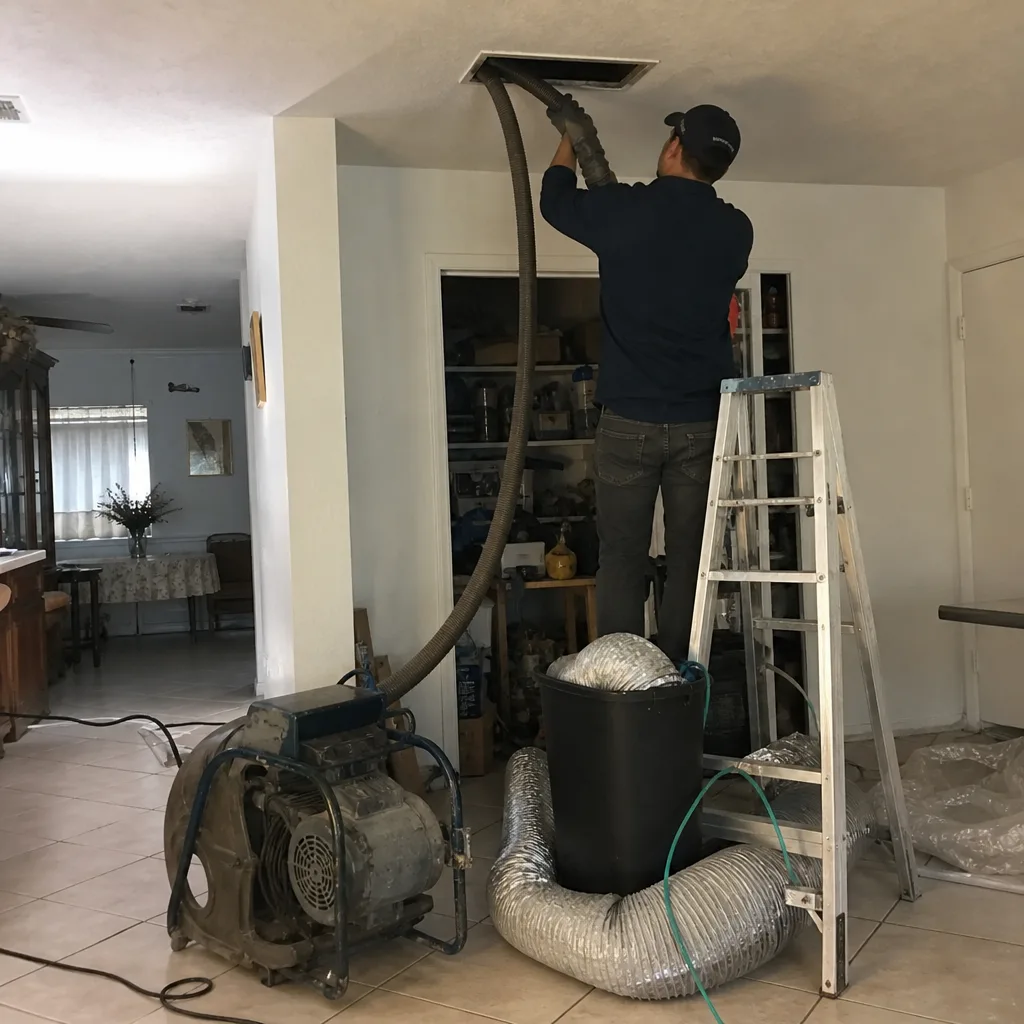 Before
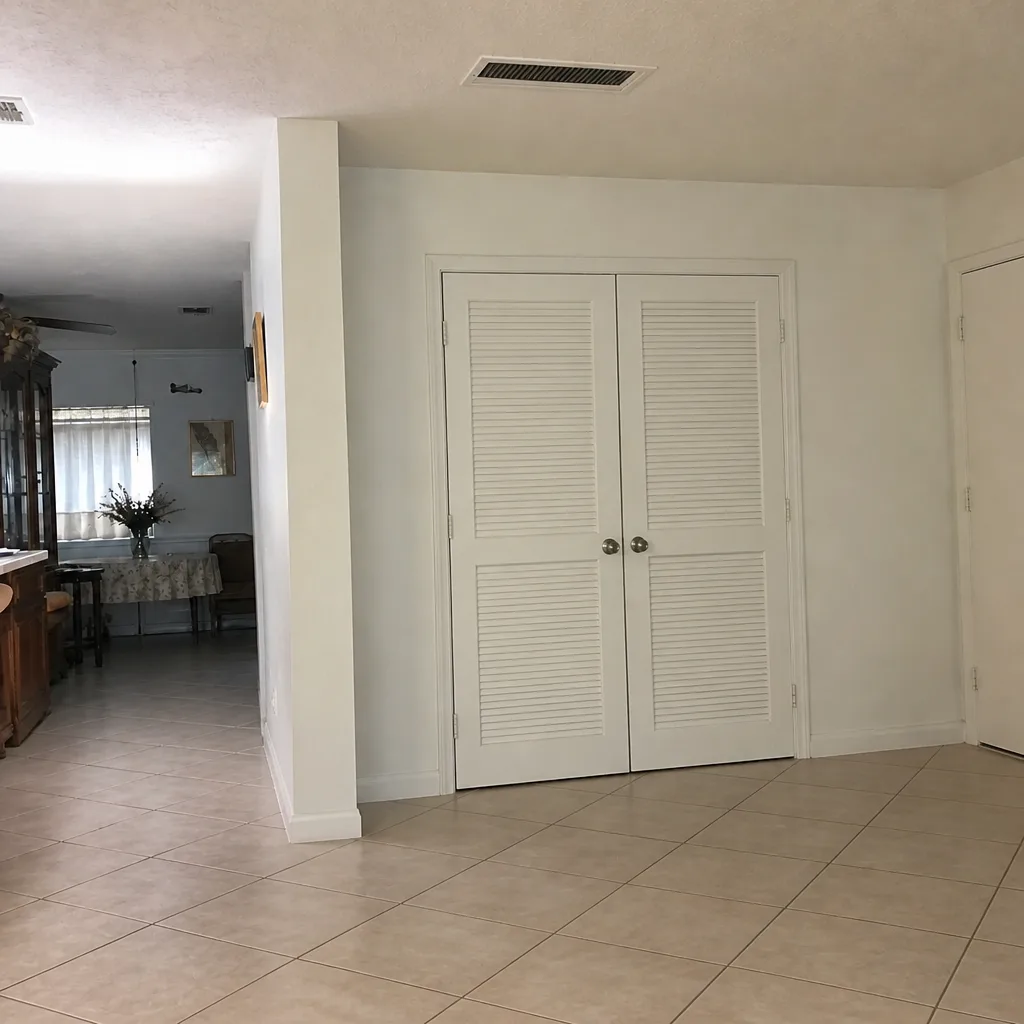 After
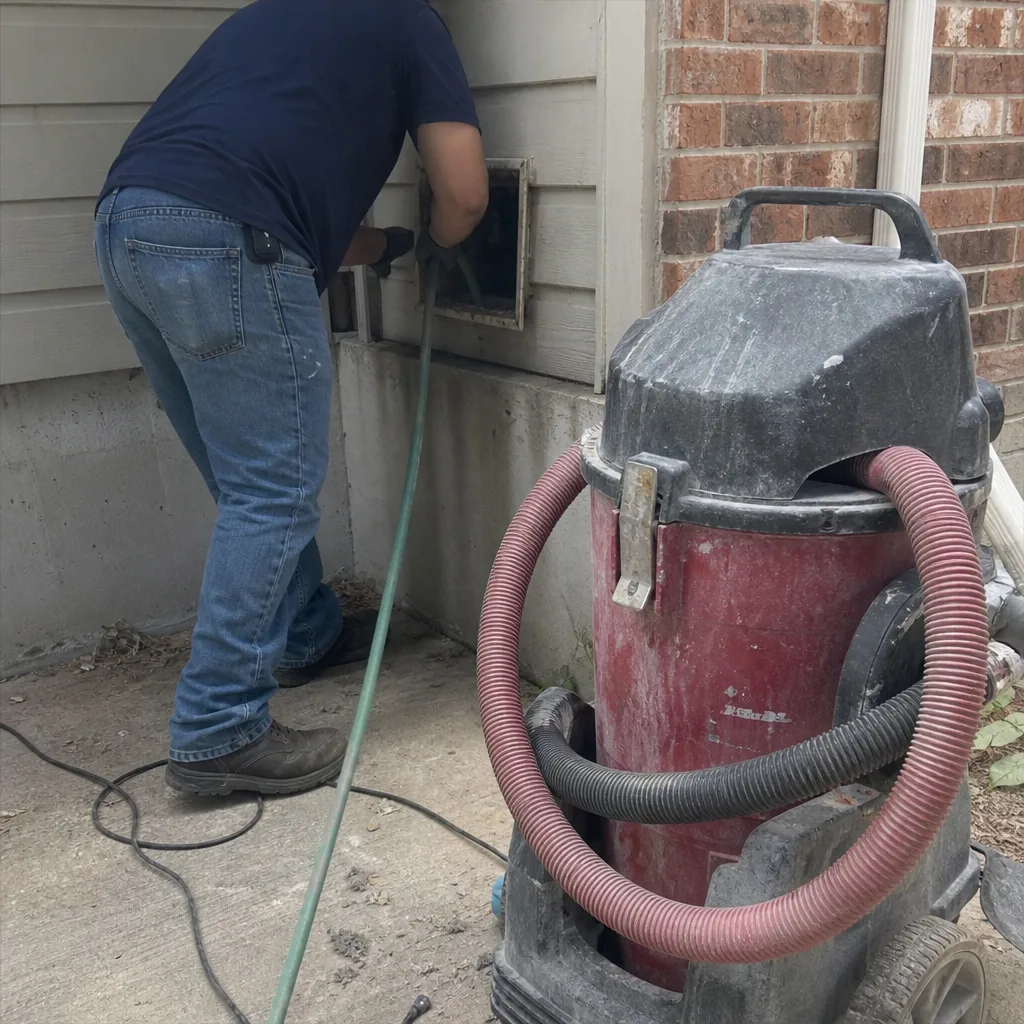 Before
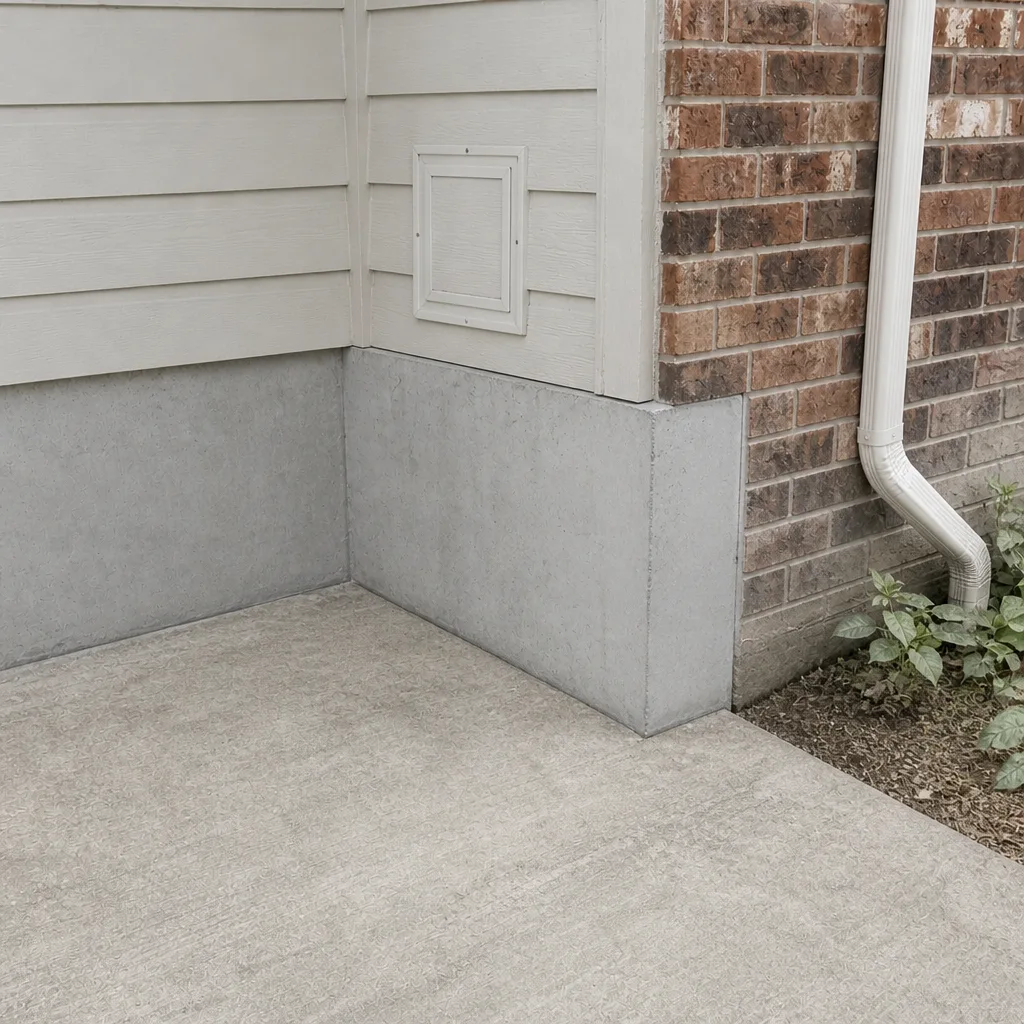 After
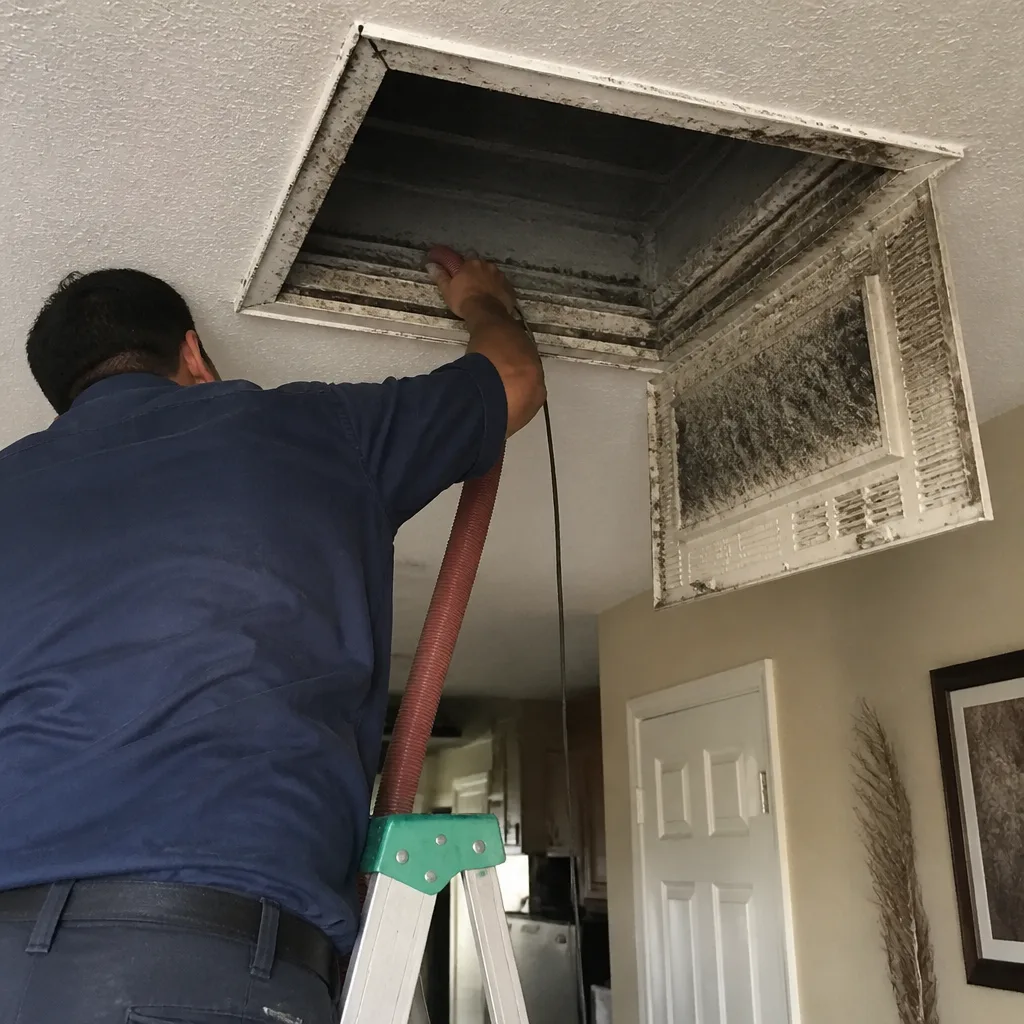 Before
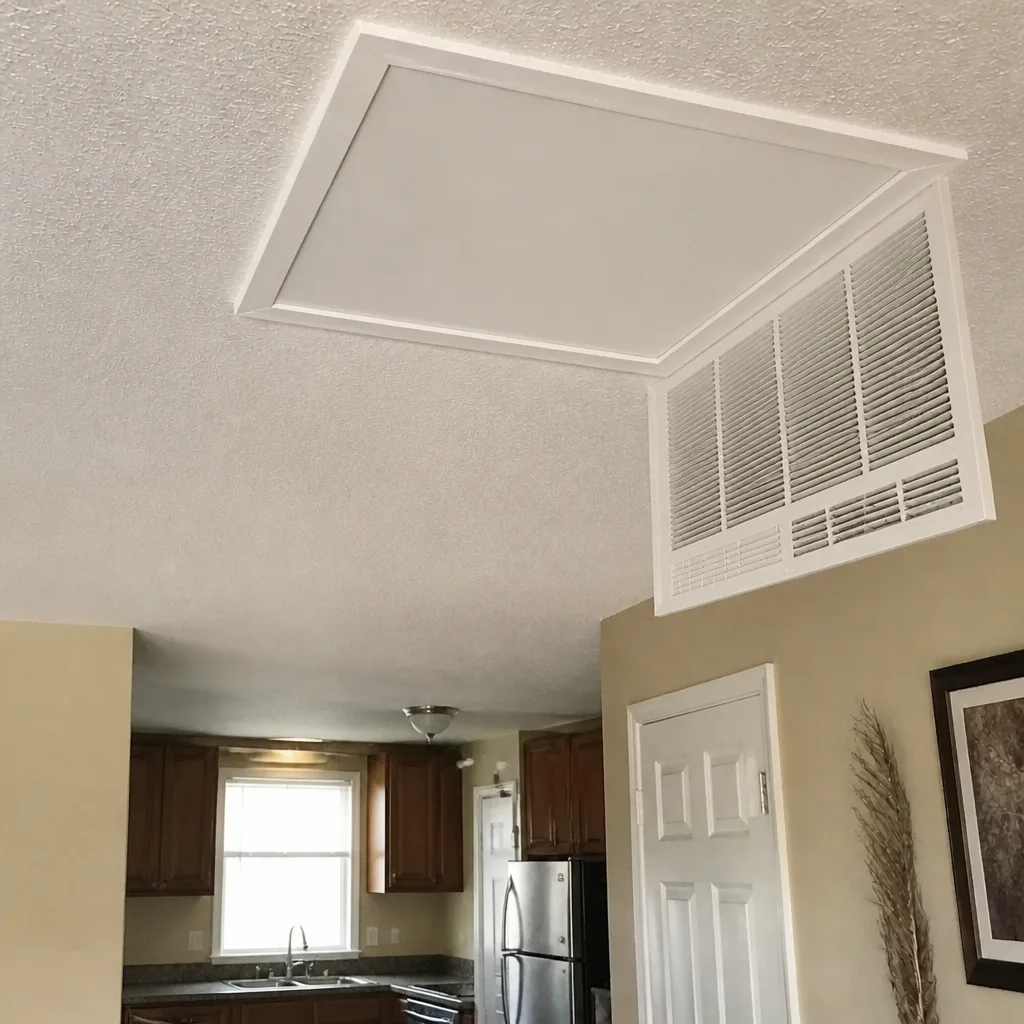 After
When to Call a Professional
Call when the pattern points to something you can’t resolve with a filter change and a vacuum. Debris discharge across multiple registers, dust getting past the return filter on the duct side, musty odor tied to airflow, a per
. The prompt was cut off. Here is the completed page from the cut point:
sistent temperature difference in one room while the rest of the house is fine, evidence of pest activity, or a dryer that’s running hot or taking longer to dry. Those are conditions where an evaluation is worth the call, because the fix depends on what’s actually happening inside the system, and guessing tends to cost more than looking. Duct Cleaning Midland offers free estimates in Midland, and the price you’re quoted is one flat price per system agreed before work starts, with before-and-after photos of your own ducts. Call (844) 382-8255. We answer 24/7. Fast dispatch from 7am to 7pm, Sunday through Friday.
Frequently Asked Questions
It’s priced per system rather than per vent, and the written estimate sets the final number. We don’t quote a teaser price over the phone and then expand it on site, because that’s the bait-and-switch pattern homeowners in this trade have learned to distrust. The one flat price is agreed before any work begins, and you get before-and-after photos of your own system. Call (844) 382-8255 for an exact quote; estimates are free.
Usually because the method is cheaper: a shop vac and a single pass, no negative-air capture, and sometimes a price per vent that sounds small until the vent count lands on the invoice. Industrial equipment costs more to run, and contained cleaning takes longer than blow-through. Our answer to the competition is the same as it’s always been: one flat price per system, agreed up front. Call (844) 382-8255 for an exact quote; estimates are free.
You see before-and-after photos of your own duct system, and you can ask what equipment is being used and why. Rotobrush rotary brushes and Nikro HEPA negative-air equipment produce a verifiable result because the material has to go somewhere and the capture is part of the process. If a company can’t tell you what it will use, that’s your answer. Call (844) 382-8255 for an exact quote; estimates are free.
There’s no fixed schedule that fits every home, and anyone who quotes one is guessing. Condition-based decisions work better: check returns after a dust event, run the startup test, and watch for odor and temperature patterns. Homes near heavier dust exposure may need attention sooner, and homes with good filtration may go much longer. Call (844) 382-8255 for an exact quote; estimates are free.
No honest answer can promise that. Cleaning removes an accumulation of material and contained capture keeps it out of your living space during the work, but symptoms have many causes. What we can do is document what’s found, address duct-side contamination and repair entry points, and leave you with a clear picture of the system’s condition. Call (844) 382-8255 for an exact quote; estimates are free.
Yes. We clean around your filtration system, not through it, so a whole-home air quality setup keeps performing as designed. Technicians work with Honeywell and Aprilaire equipment as well as Guardsman-treated systems, and the goal is compatibility rather than a one-size method. Call (844) 382-8255 for an exact quote; estimates are free.
The Bottom Line
Warning signs matter, but only when they’re read correctly. Surface dust on a supply register is usually housekeeping. Debris discharge at blower startup, dust past the return filter, musty odor tied to airflow, and a room that’s persistently off in temperature are system signals worth acting on. In Midland, the dust season raises the return-side load and makes filter discipline part of the job. And the dryer vent deserves its own line in your maintenance thinking, because it fails differently. Sort the symptom to the right fix, insist on an evaluation before a price, and you’ll avoid paying for work your house doesn’t need.
Written by the team at Duct Cleaning Midland.