
Last updated November 15, 2026
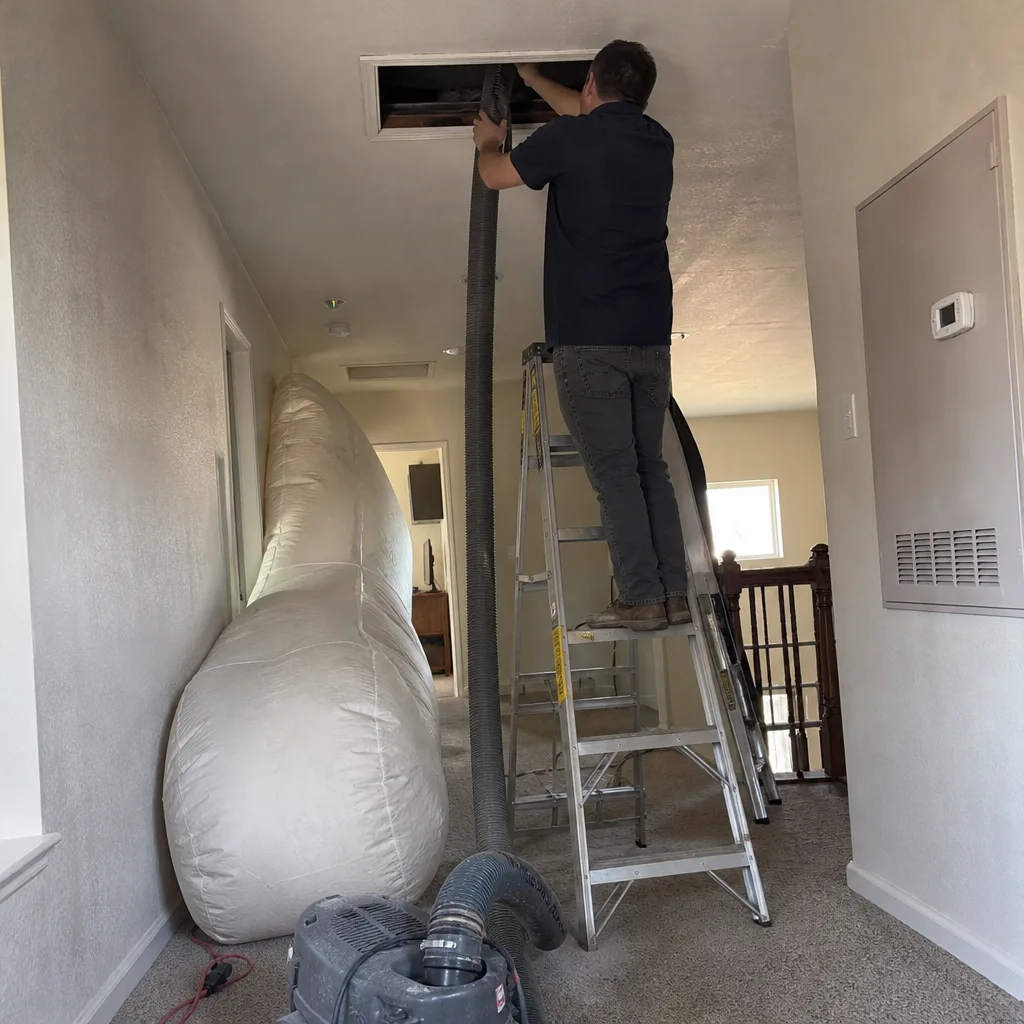
 Whole-home duct cleaning
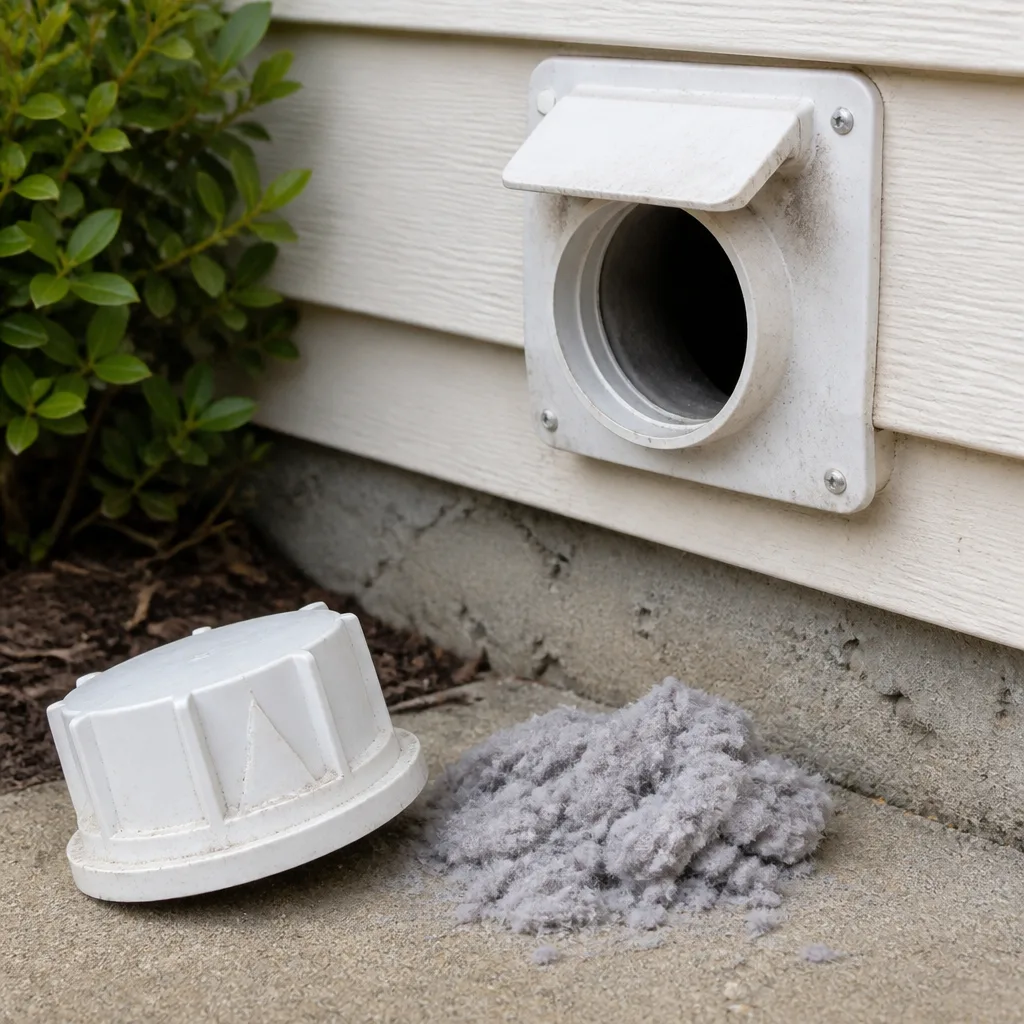 Dryer vent cleaning
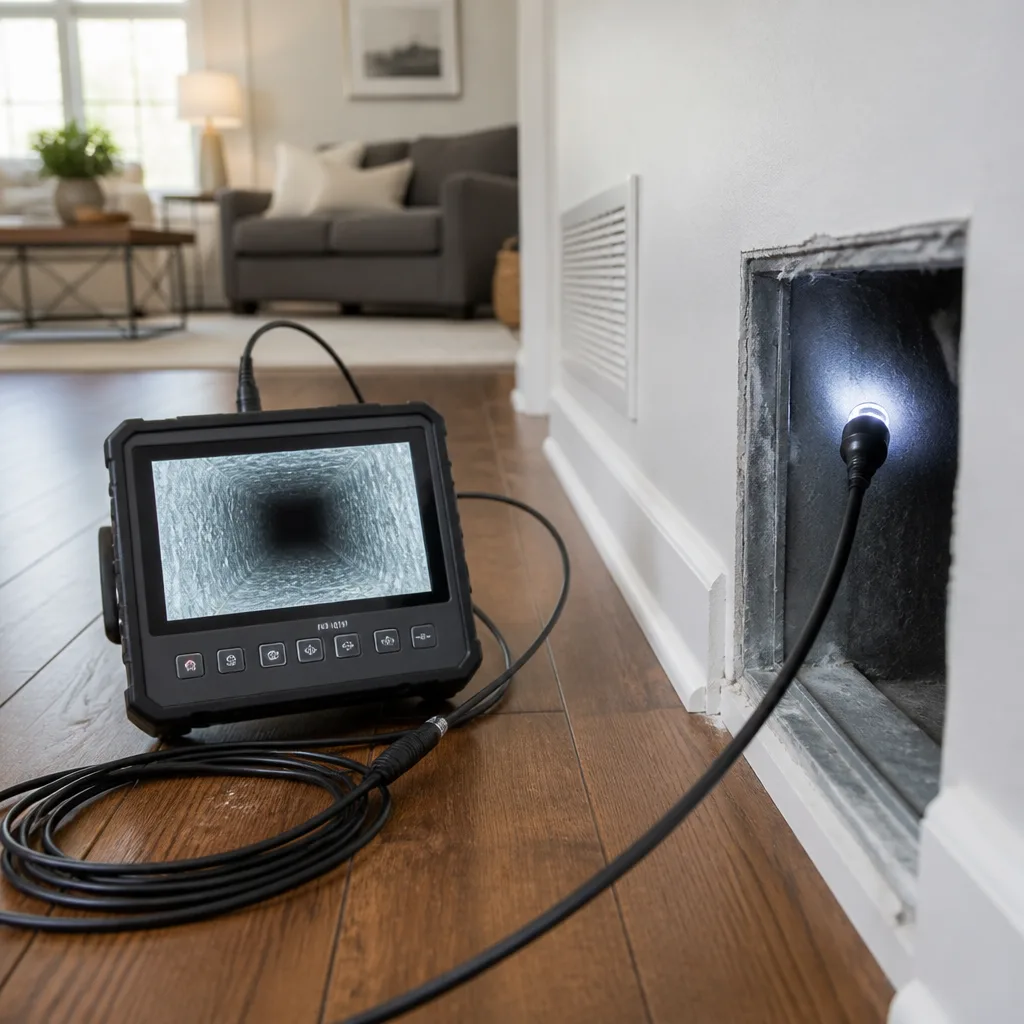 Camera inspection
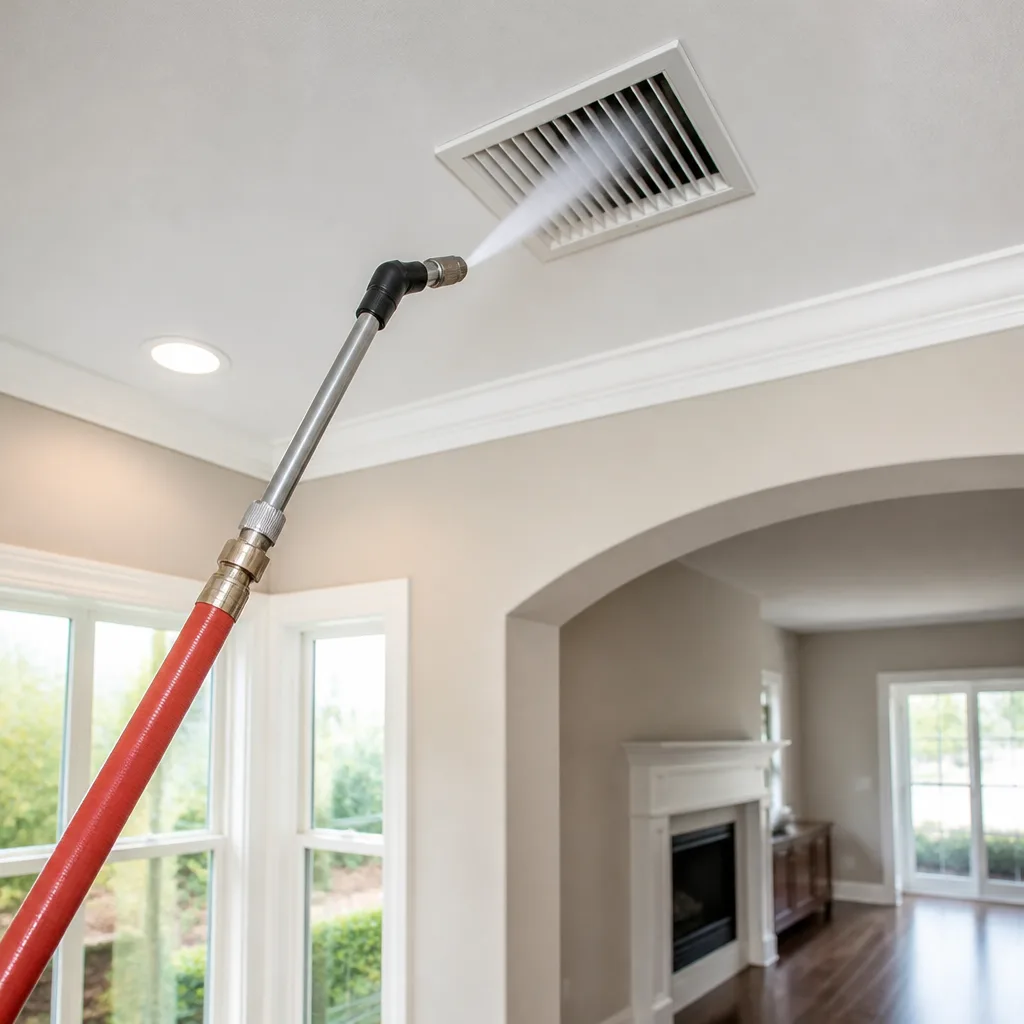 Sanitizing & deodorizing
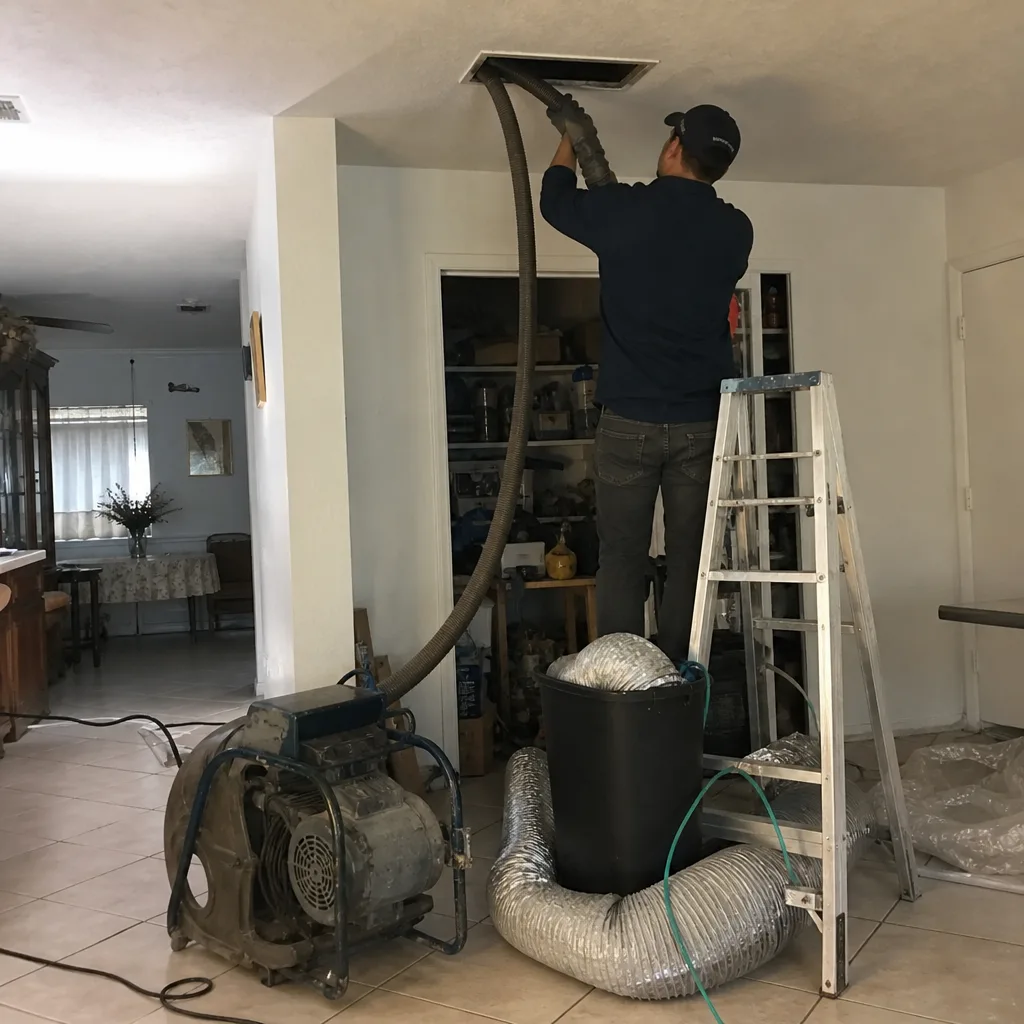
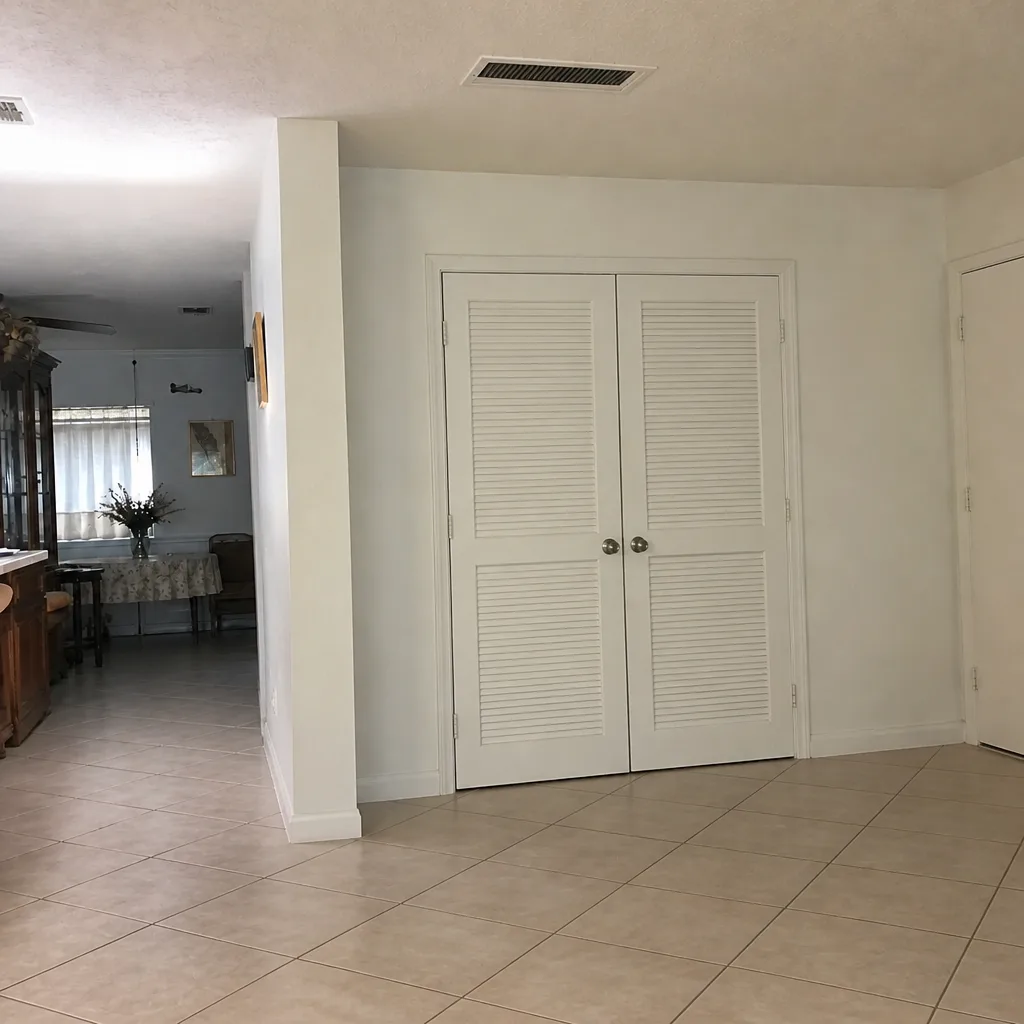
Whole-system duct and dryer vent check with before-and-after photos - you see exactly what came out of your vents
That "$99 whole-house special" is a bait ad - the real number appears once they are in your hallway, or the "clean" is a shop-vac at the register. We photograph the inside of your ducts before and after instead.
Air Duct Cleaning Troubleshooting in Midland: Common Problems and How to Fix Them
If one room in your house is always 8 – 10°F hotter than the rest, your HVAC isn’t the problem. Your duct system is, and running the system harder just accelerates the damage. Most homeowners in Midland reach for the thermostat first, then the filter, then the phone number of whoever installed the unit. The ductwork underneath all of it rarely gets a second thought, even though it’s the part of the system doing the actual distributing.
This guide is about reading the symptoms your system already broadcasts. Uneven airflow, dust at one register but not another, a musty smell that comes and goes, a rattle that shows up only at certain times. Each of those points to a specific failure mode, and each has a different fix. We’ll walk through what each symptom means, how to check airflow at your registers without opening a wall, why the dust around Midland loads a return plenum faster than most places, and the one distinction that matters most: whether you’re looking at a cleaning job, a repair job, or both.
Quick Answer
Air duct problems in Midland usually trace back to three causes: debris buildup in the returns (heavy here because of caliche dust), disconnected or collapsed flex duct at joints and boots, and aging duct seams that leak. A cleaning fixes the first. Only a repair fixes the second and third. If you run a brush through a disconnected duct without repairing it first, you push the problem deeper. Diagnose the symptom, match it to the cause, then choose the right job.
Styles & brands we work with
- Whole-home duct cleaning
- Dryer vent cleaning
- Camera inspection
- Sanitizing & deodorizing
Table of Contents
- Symptom-to-Cause Mapping: What Your Ducts Are Telling You
- How to Run a Basic Register Pressure Test
- Why Midland Dust Loads Return Plenums Faster
- Cleaning Job vs. Repair Job: Telling the Difference
- Musty Odors: Where They Come From and What Fixes Them
- Rattling and Buzzing: Loose Joints, Boots, and Dampers
- What Flex Duct Repair Actually Involves
- When DIY Troubleshooting Ends and Inspection Begins
Symptom-to-Cause Mapping: What Your Ducts Are Telling You
Every duct problem shows up as one of four things: uneven airflow, visible dust at registers, an odor, or a noise. Those four categories are not interchangeable, and treating one as another wastes money. A homeowner who vacuums a dusty register is treating the symptom, not the source. A homeowner who turns up fan speed to compensate for weak airflow in one room is making the other rooms worse.
Here’s the mapping we use, and it holds up across most residential systems in Midland.
- Uneven airflow between rooms points to a disconnected or collapsed flex run, a closed or stuck damper, or a return that’s undersized for the branch it serves. The system is moving air; it just isn’t delivering it where you want.
- Dust collecting at registers points to a dirty return plenum or a duct interior that’s shedding debris. The register is where the airborne material lands, so it’s the visible end of a problem further back.
- Musty or stale odor points to moisture or organic material somewhere in the system, often the air handler cabinet, a wet insulation liner, or a return trunk with a compromised seal pulling air from unconditioned space.
- Rattling or buzzing points to a loose joint, a flex run in contact with framing, an unsecured boot at the floor or ceiling, or a damper blade vibrating in the airstream.
Notice that only two of the four point to a cleaning job. That’s the point of this guide. Cleaning is one fix among several, and if you misdiagnose a mechanical problem as a dirt problem you’ll pay for a cleaning that doesn’t change anything. If you want a broader overview of what the process itself involves, our air duct cleaning page lays out the full scope.
How to Run a Basic Register Pressure Test
You can locate a collapsed or disconnected flex run without opening a wall, using nothing but your hand and a strip of tissue. This is the single most useful diagnostic a homeowner can perform, and it takes about ten minutes on a typical single-story house in Midland.
- Set the system to fan-only. Use the thermostat’s fan setting so the blower runs without heating or cooling. You’re measuring airflow, not temperature.
- Walk the whole house with a tissue. Hold a strip of lightweight tissue near the face of every supply register. Note the deflection. It should be roughly consistent from room to room, and the tissue should flutter steadily at all of them.
- Compare rooms, not absolutes. You’re not measuring cubic feet per minute. You’re looking for the register that barely moves the tissue while the others do, or the register that blows hard when it shouldn’t, which can mean a damper is closed elsewhere.
- Check the returns. Return grilles should pull the tissue toward them. A return with weak or no suction is often where the blockage or disconnect is hiding.
- Run the same test on both fan speeds. If the weak register stays weak on high, that’s a supply-side problem. If it improves on high but others get worse, you’re looking at a distribution or dampening issue.
- Note any room with a register you can’t feel at all. That’s the highest-priority spot, and it usually points to a flex run that has come loose from the boot or the trunk.
An 8 – 10°F temperature split between rooms isn’t a thermostat defect. It’s what happens when a supply run is partially disconnected and the other runs are doing the work. Running the fan harder to compensate just pushes more air through the good runs and less through the bad one. The pressure test helps you spot which is which before anyone shows up with equipment.
Why Midland Dust Loads Return Plenums Faster
Caliche is a calcium carbonate cemented soil layer common to this part of Texas, and when it’s dry and disturbed it becomes an abrasive, fine-grained dust. That dust is everywhere in Midland – on the wind, in the yard, tracked in from the garage – and every bit of it that enters the return air stream ends up in the filter or in the plenum. When the filter is loaded past capacity, the plenum becomes the filter. That’s the short version.
The long version is a specific physical pattern. Return plenums in Midland tend to develop a hard, caked layer of fines on the duct interior rather than the loose fluff you see in more humid climates. Caliche dust doesn’t clump the way lint does; it settles, compacts, and holds its shape. On the interior wall of a return trunk it looks like a thin gray crust, and once it sets it doesn’t move with airflow alone.
Three things follow from that:
- Filters in Midland load faster than the manufacturer’s replacement interval suggests, because the inlet dust load is higher. If a filter is meant for three months somewhere else, it may need replacing earlier here. Check it monthly during dry, windy stretches.
- Return trunks and air handler cabinets are the highest-yield cleaning targets here, ahead of the supply branches. Most of the settled material lives on the return side.
- The fines are abrasive on the blower wheel and motor bearings over time. A caked blower wheel loses efficiency, and the wheel’s balance degrades. That’s a mechanical wear story, not just a cleanliness one.
Inside a system that’s been neglected in Midland for several years, the visible signs are a gray film over the air handler interior, caked edges at the filter frame, and a return grille with fines caught in the louvers. That’s the before-and-after pair we document on every job, so you can see what was actually there and what was removed. We use Nikro HEPA vacuum equipment under negative air so those fines are contained rather than stirred into your living space.
Cleaning Job vs. Repair Job: Telling the Difference
The most common misdiagnosis we see in Midland is a repair job that gets sold as a cleaning job, and the reason it goes wrong is simple physics. A rotary brush is a mechanical tool that dislodges material from the duct walls. If a flex run has separated from the boot or the trunk, the brush pushes debris through the gap and into the wall cavity, the attic, or the crawlspace instead of into the vacuum. You’ve moved the dirt from a place you can clean to a place you can’t.
So the correct order of operations on any job is inspect, then repair if needed, then clean. Here’s the practical distinction:
- A cleaning job is a system that is intact and delivering air where it should, with a buildup of dust, lint, and fines on the interior. The problem is accumulation.
- A repair job is a system with a mechanical failure: disconnected or crushed flex, a boot that’s separated from the subfloor or drywall, a seam that’s failed, a duct run that’s undersized for its branch, or a plenum that leaks into the attic. The problem is integrity.
- A combined job is by far the most common in Midland. The system has both a buildup and a break, usually because the buildup started upstream of the break and made it worse.
This is why we treat air duct repair as a core service rather than a referral. When the inspection finds a break, the repair happens on the same visit and the cleaning follows – one trip, one trade, one flat price per system agreed before anything starts. If you’re a property manager with several units, that matters on both the schedule and the budget.
If you suspect a mechanical issue and the system is more than a few years old, our Midland service overview is a good starting point for what to ask when you call.
Musty Odors: Where They Come From and What Fixes Them
A musty smell in a Midland home is usually not a duct cleaning problem at all. It’s a moisture problem, and the source is almost always one of four places: a wet liner inside the air handler cabinet, condensation collecting in a low point of a duct run, a return that’s leaking in air from the attic or crawlspace, or a dirty evaporator coil pan that’s holding standing water.
What you can tell from the smell itself is which category you’re in. A musty smell that shows up only when the system runs is a problem inside the air stream. A musty smell that’s constant in a specific room points to that room’s return or the adjacent wet area. A smell that appears after rain points at a seal on an exterior wall or a roof leak feeding a duct run in the ceiling.
Before you schedule anything, do two things. First, replace the filter and see if the odor changes – a saturated filter holding moisture will smell. Second, look at the air handler. If the cabinet has a wet insulation liner or standing water in the drain pan, the mold smell is coming from there and a duct cleaner can’t and shouldn’t try to treat it. That’s a mold remediation situation, which is outside what duct cleaning covers.
What cleaning can do is remove the settled organic matter that feeds the smell elsewhere in the system, and what repair can do is seal the return leak that’s bringing humid unconditioned air in. Duct Cleaning Midland handles those two. We’ll tell you honestly when the problem belongs to a different trade.
Rattling and Buzzing: Loose Joints, Boots, and Dampers
Noise is the duct problem homeowners usually tolerate the longest, and it’s often the most fixable. A rattle in a duct system is a mechanical vibration with a source, and the source is usually one of these:
- A flex run that’s touching a ceiling joist or wall stud. The flex vibrates against the framing and transmits the sound into the room.
- A boot that’s worked loose at the floor or ceiling register. The register grille vibrates against the drywall.
- A damper blade in a partially closed position in the airstream. If it can oscillate, it will.
- A loose trunk seam or taped joint that’s lost adhesion over time. The air escaping through the gap makes a hiss you’ll hear as buzz.
- A blower wheel with debris on it, which is unbalanced and vibrates the whole cabinet. In Midland that debris is often caked caliche fines.
The good news is that the first four are all repairable without a new system. The fifth needs the blower wheel pulled and cleaned. If a rattle is accompanied by weak airflow in the same area, treat the noise as a secondary symptom and do the register pressure test first – the two usually share a cause.
What Flex Duct Repair Actually Involves
Flex duct is the most common supply and return material in residential construction around Midland, and it’s also the most likely to fail at the connection points. The duct itself is durable. The tape, mastic, and zip ties at each end are what fail, and they fail slowly and quietly.
When we inspect a system and find a failed connection, the repair follows a specific sequence:
- Confirm the location. A camera run through the duct confirms which run is broken and where. Visual inspection from the register alone is unreliable because the break is often just out of sight.
- Access the joint. Depending on the run, that’s from a register, from the plenum, or from an attic or crawl access. We open the smallest possible area.
- Reconnect and seal. The flex is re-seated on the boot or trunk collar and sealed with mastic or a mechanical collar. Tape alone at a failed joint is a short-term fix.
- Support the run. Flex that sags loses cross-section. We add support to keep the run straight where the space allows.
- Verify with a flow check. Re-test the register. The tissue deflection should now match the rest of the house.
- Clean after sealing. Only once the run is intact do we run the rotary brush through it and extract under negative air with the Nikro equipment.
That last step is the one most people skip, and it’s the reason the sequence matters. Repair-then-clean is a materially different job from clean-and-hope. It’s also why we keep repair in-house, so the schedule isn’t waiting on a subcontractor to come back.
When DIY Troubleshooting Ends and Inspection Begins
There’s a good amount of troubleshooting a homeowner can do: the register pressure test, filter inspection, visual checks at the air handler, listening for the noise’s source. That gets you most of the way to knowing whether you’ve got a dirt problem or a mechanical one. Where DIY ends is at anything that requires a camera, a mechanical tool, or access into a sealed space. And there are times to stop before that.
Stop and call if any of these apply:
- You have a suspected gas smell anywhere near the air handler or furnace. That’s not a duct problem, and it’s not a job to investigate alone. Leave the area and call the gas utility.
- You’ve found standing water or a wet liner in the air handler cabinet. That’s a remediation situation, and running the system spreads it.
- You suspect a fire hazard in the ductwork – scorched material, a burning smell, or smoke residue. Stop the system and get it inspected.
- You’re dealing with electrical wiring inside a plenum or an air handler cabinet that’s exposed. Do not poke around in it.
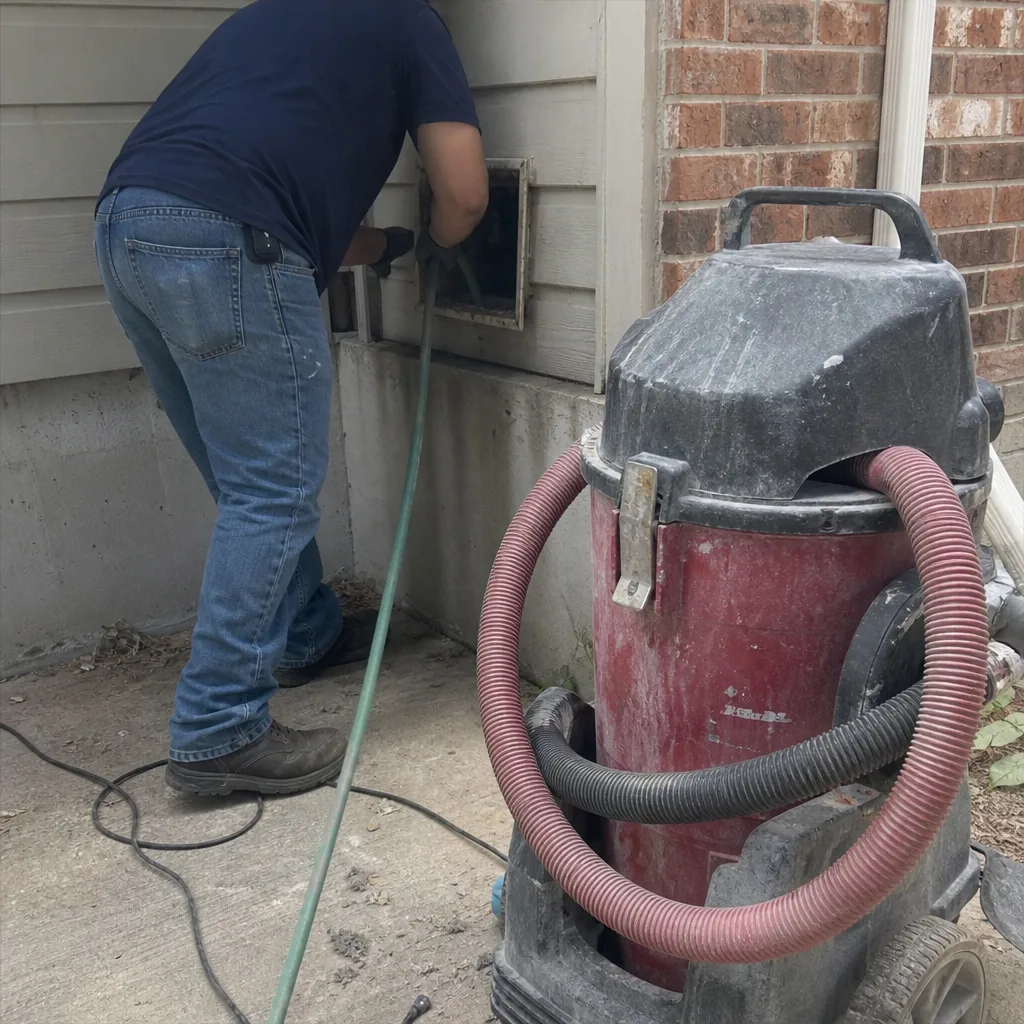
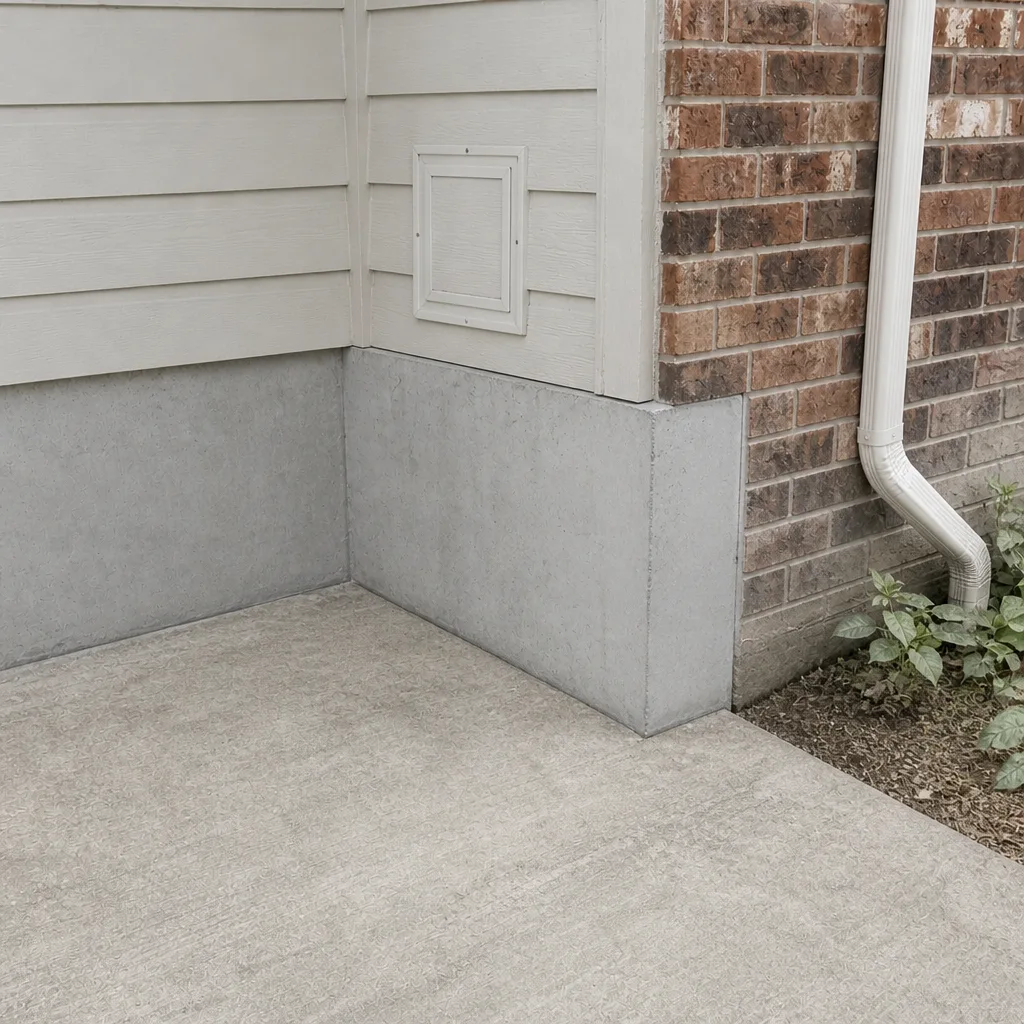
- Your dryer vent is long, has multiple bends, or exits through a roof. Dryer vents are a documented residential fire cause, and a long or convoluted run is exactly where lint accumulates and where DIY tools bend into a trap. We treat dryer vent cleaning as its own safety service for that reason.
What a technician brings that you can’t replicate at home is the camera. A Rotobrush camera run through the system reveals crushed flex behind a wall, a boot that’s separated where you can’t see it, a damper stuck closed, and buildup on the interior of a return trunk you had no way to inspect. That camera is what turns a symptom into a diagnosis. Combined with Abatement Technologies filtration to contain dust during the inspection, it’s the difference between guessing and knowing.
Common Mistakes to Avoid
- Cleaning before repairing. If there’s a break in the ductwork and you send a brush through it, you push the debris through the gap. The cleaning makes the problem worse and the dirt ends up somewhere you can’t reach. Diagnose integrity before you clean.
- Turning up the fan to fix uneven airflow. A room that’s 8 – 10°F off is a distribution problem. Higher fan speed sends more air through the good runs and less through the bad ones. It accelerates the wear on the blower and doesn’t fix the room.
- Using a shop vac on a return grille. Handheld vacuums on a register reach the first few inches and disturb the fines on the surface. In Midland, caliche fines are fine enough that a shop vac without a HEPA filter sends them back into the room.
- Ignoring a musty smell after replacing the filter. If the smell persists after a fresh filter, the moisture source is upstream. A cleaning won’t fix a wet liner or a leaking return from an unconditioned space.
- Assuming a coupon price is a whole-system price. A very low advertised figure in this trade is often a per-vent or per-opening price, and the invoice grows once the technician is on site. Ask for a whole-system price in writing before any work starts.
- Skipping the dryer vent because the ducts were just cleaned. The dryer vent is a separate system with its own fire risk, and duct cleaning doesn’t touch it. Treat it as its own scheduled service.
- Sealing leaks with tape only. Tape fails at the same joints it’s meant to seal, and it fails sooner in a hot attic. Mastic or a mechanical collar at the joint is the durable repair.
See the difference
 Before
 After
 Before
 After
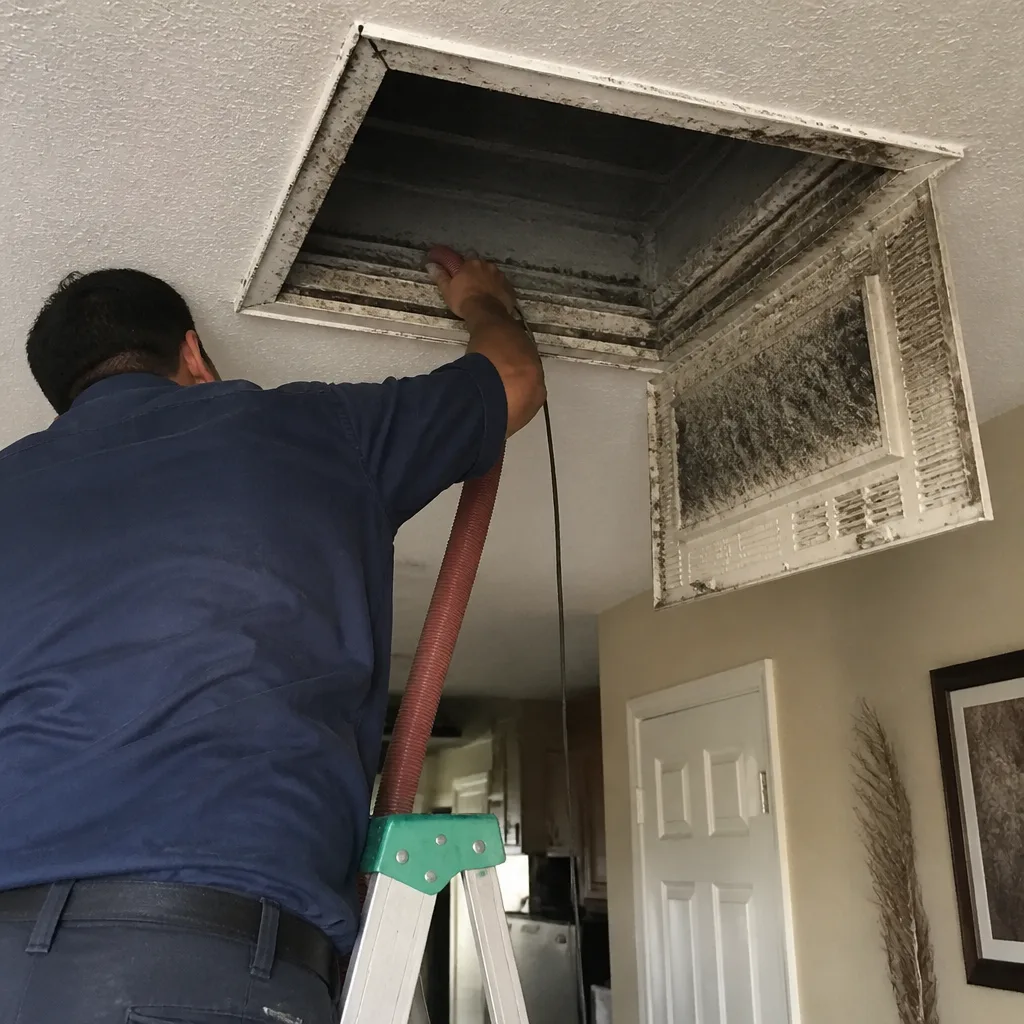 Before
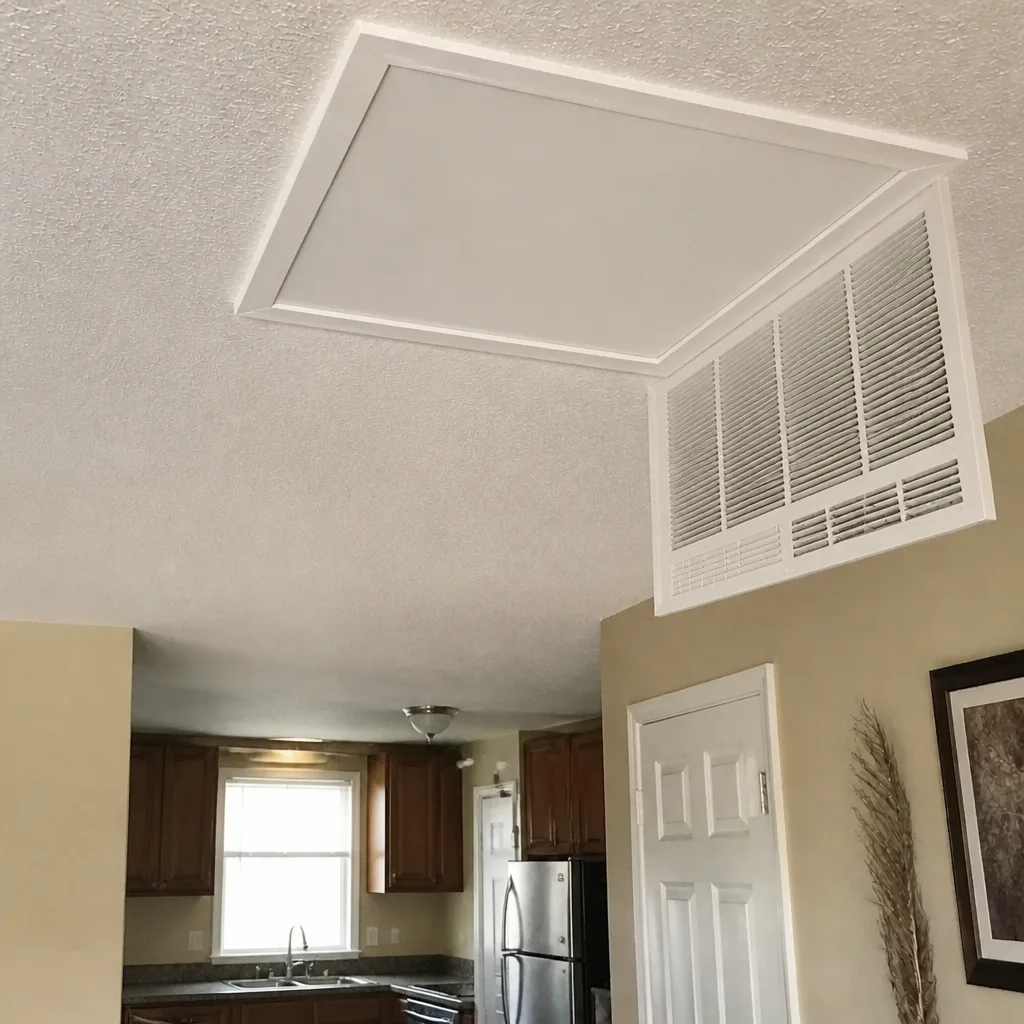 After
When to Call a Professional
Call when the register pressure test shows a room that can’t be fixed by a damper adjustment. Call when you’ve found standing water in the air handler or a wet liner. Call when the smell doesn’t go away after a new filter. Call when you’ve found a mechanical break and you want the repair and the cleaning done in one visit. Call when the dryer vent hasn’t been touched in years, especially if the run is long or the exterior vent flap no longer opens fully.
And call before you buy a service based on a coupon price. Duct Cleaning Midland offers free estimates in Midland – call (844) 382-8255. We answer 24/7. Fast dispatch from 7am to 7pm. One flat price per system is agreed before work starts, we document the work with before-and-after photos of your own ducts, and we can seal, patch, or reconfigure compromised ductwork on the same visit. Our technicians have up to 8 years of experience and work with the professional-grade equipment brands – Rotobrush, Nikro, and Abatement Technologies – that the remediation trade uses.
Frequently Asked Questions
Most whole-system residential cleaning in the Midland area runs from roughly $300 to $700 depending on the number of runs, system size, and whether a repair is needed. Duct cleaning is priced per system, not per vent, so ask for the whole-system number in writing and confirm it covers the return side. Call (844) 382-8255 for an exact quote – estimates are free.
Because the low number usually covers a per-vent or per-opening scope, or a surface pass with a shop vac that doesn’t reach the return plenum at all. Once the technician is on site, the invoice expands. The systemic bait-and-switch in this trade is a teaser price that becomes a much larger bill after work starts. Ask for a flat, whole-system price agreed before anyone begins. Call (844) 382-8255 for that written estimate.
Ask for before-and-after photos of your own ductwork, not generic marketing images. A documented job shows the interior of the return trunk and at least a few supply runs before cleaning and after. Our process includes those photos on every job. If you want to talk through what the documentation will cover for your system, call (844) 382-8255.
For a typical Midland home with pets or a dusty lot nearby, every three to five years is a reasonable starting interval, and sooner if you’ve had a renovation, a filter failure, or a wet event. Because caliche fines load the return plenum faster than a typical climate’s dust, the return side is worth checking yearly even when a full cleaning isn’t due. Call (844) 382-8255 to talk through the right interval for your home.
Sometimes, but less often than you’d think. A blocked or collapsed supply run will starve a single room, and that’s a repair. A dirty system usually affects the whole house’s airflow more evenly. If one room is 8 – 10°F hotter than the rest, test register airflow before assuming it’s a cleaning problem. Call (844) 382-8255 to book an inspection that will tell you which one it is.
Yes. We’re trained on Honeywell and Aprilaire filtration systems and on Guardsman product standards, so we clean around your media filter or bypass setup rather than through it. That’s the difference between a cleaning that preserves your filtration performance and one that damages or bypasses it. Call (844) 382-8255 and tell us what you have installed.
The Bottom Line
Most duct problems start as a symptom you can read at the register. Uneven airflow points to a mechanical break. Dust at the register points to a loaded return. An odor points to moisture. A rattle points to a joint. Midland’s caliche dust accelerates the return-side buildup, so the return plenum deserves the first look on any inspection. The single rule that saves the most money: diagnose before you clean, and repair before you brush. A cleaning job on a broken system wastes the work. A repair followed by a cleaning fixes both. If you’re not sure which one you’re looking at, that’s the part a camera inspection settles in minutes.
Call Duct Cleaning Midland at (844) 382-8255 for a free estimate. We answer 24/7. Fast dispatch from 7am to 7pm, Sunday through Friday. If you’d like to see the full scope of what we do first, start with Duct Cleaning Midland and take it from there.
Written by the team at Duct Cleaning Midland.