
Last updated November 15, 2026
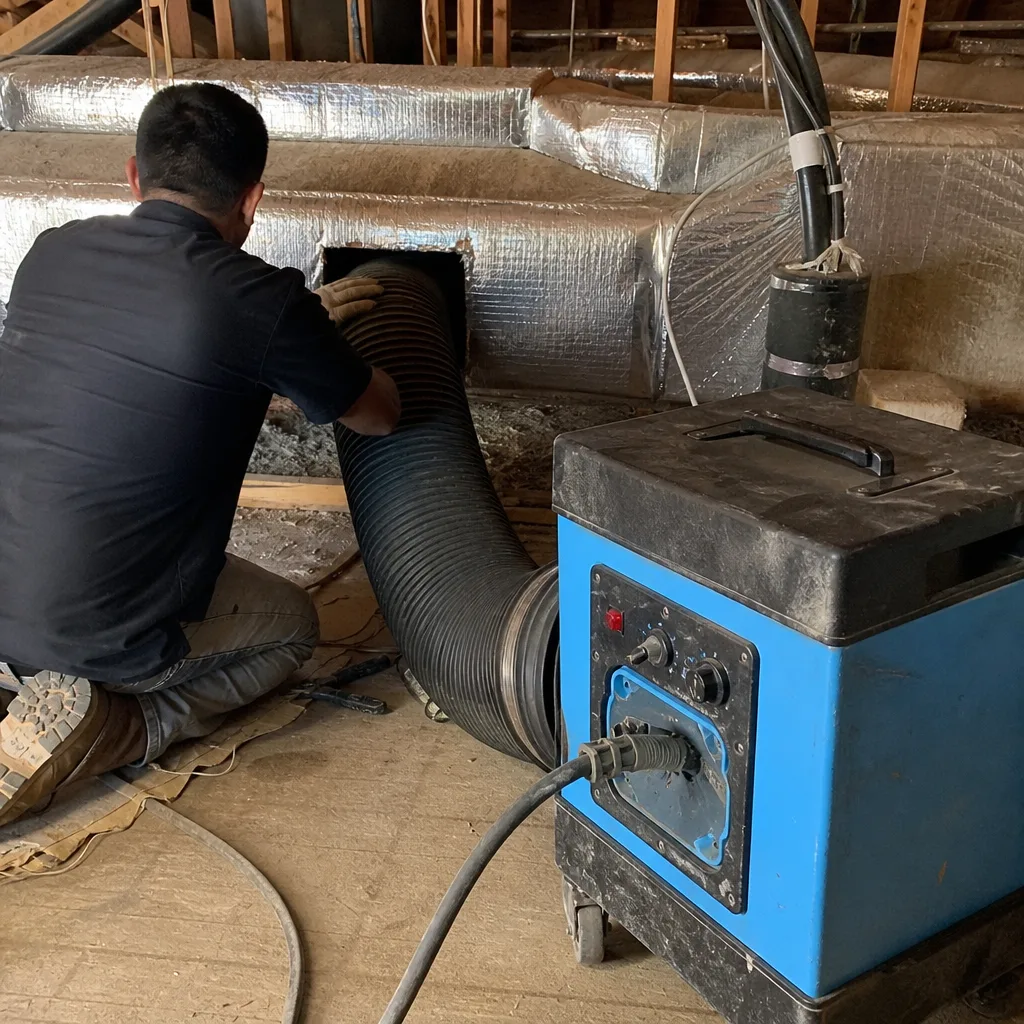
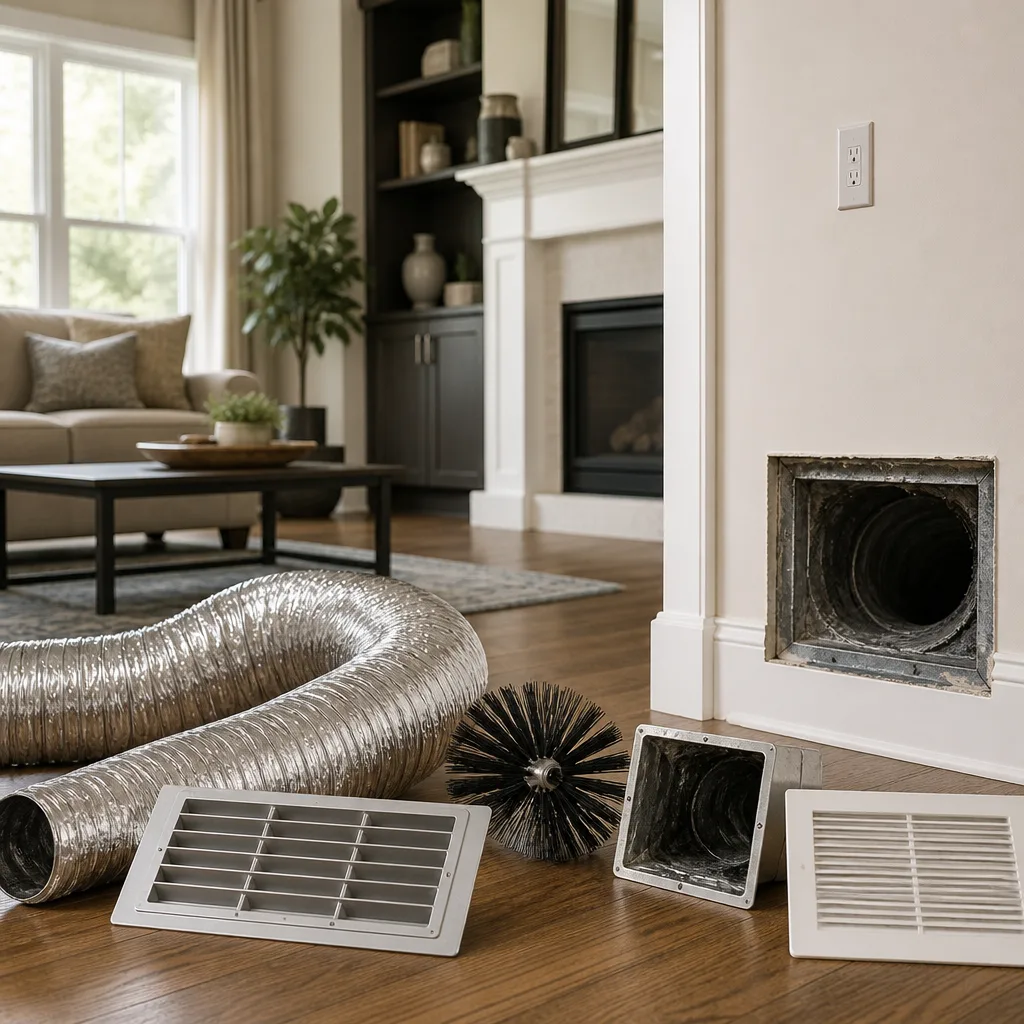 Whole-home duct cleaning
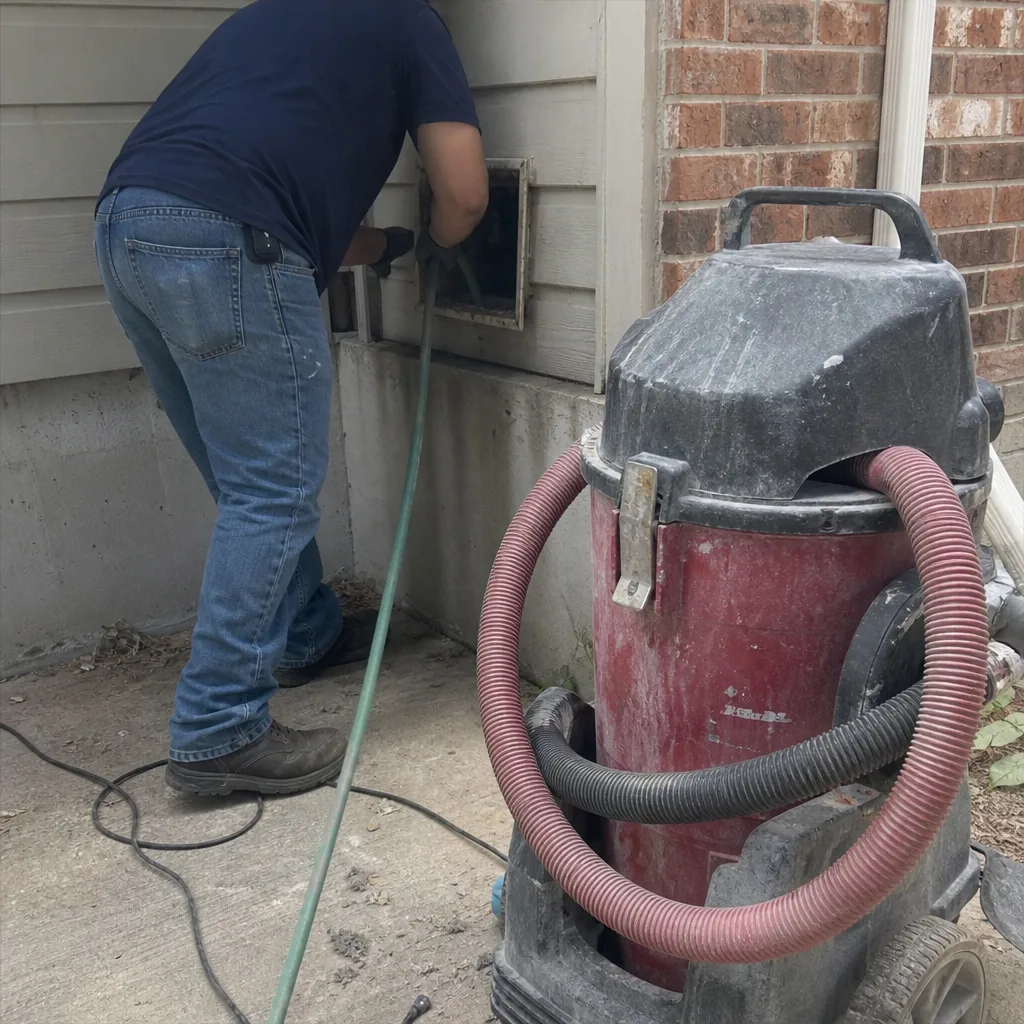
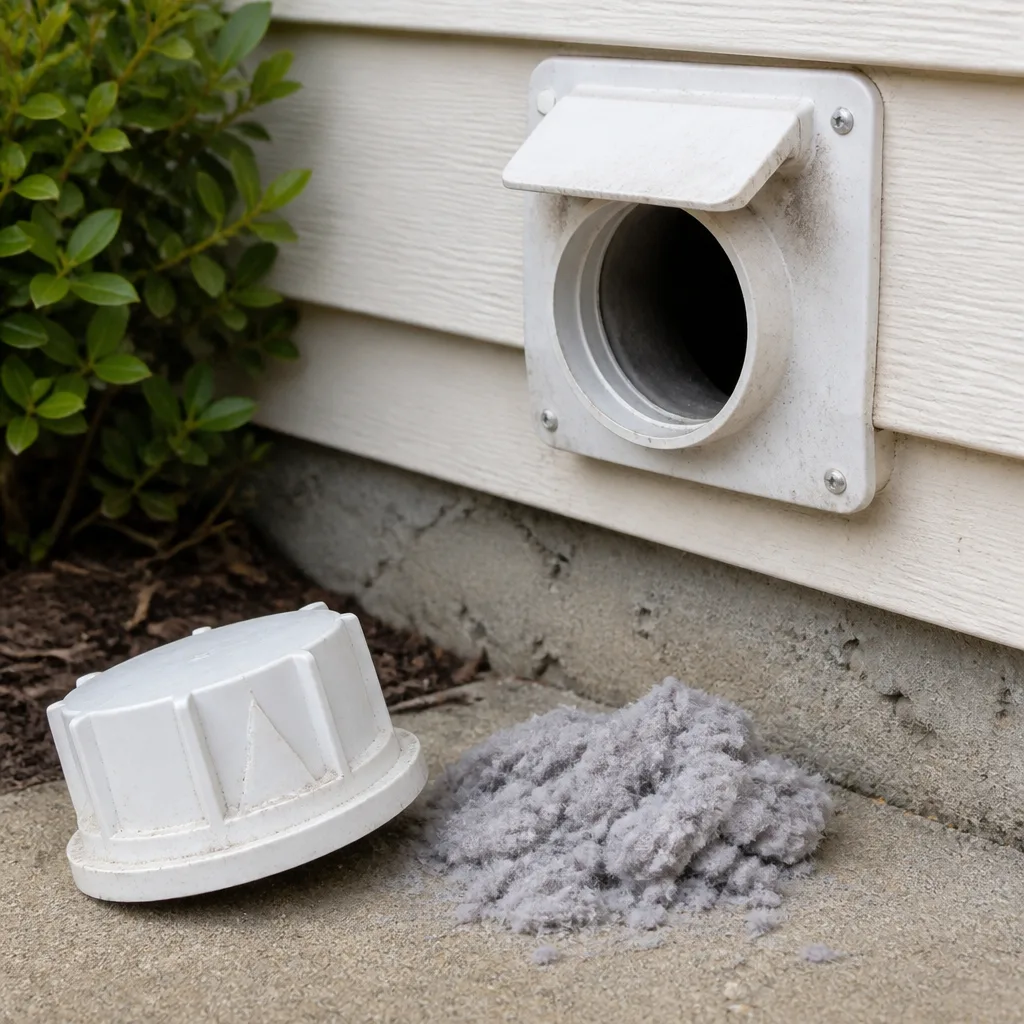 Dryer vent cleaning
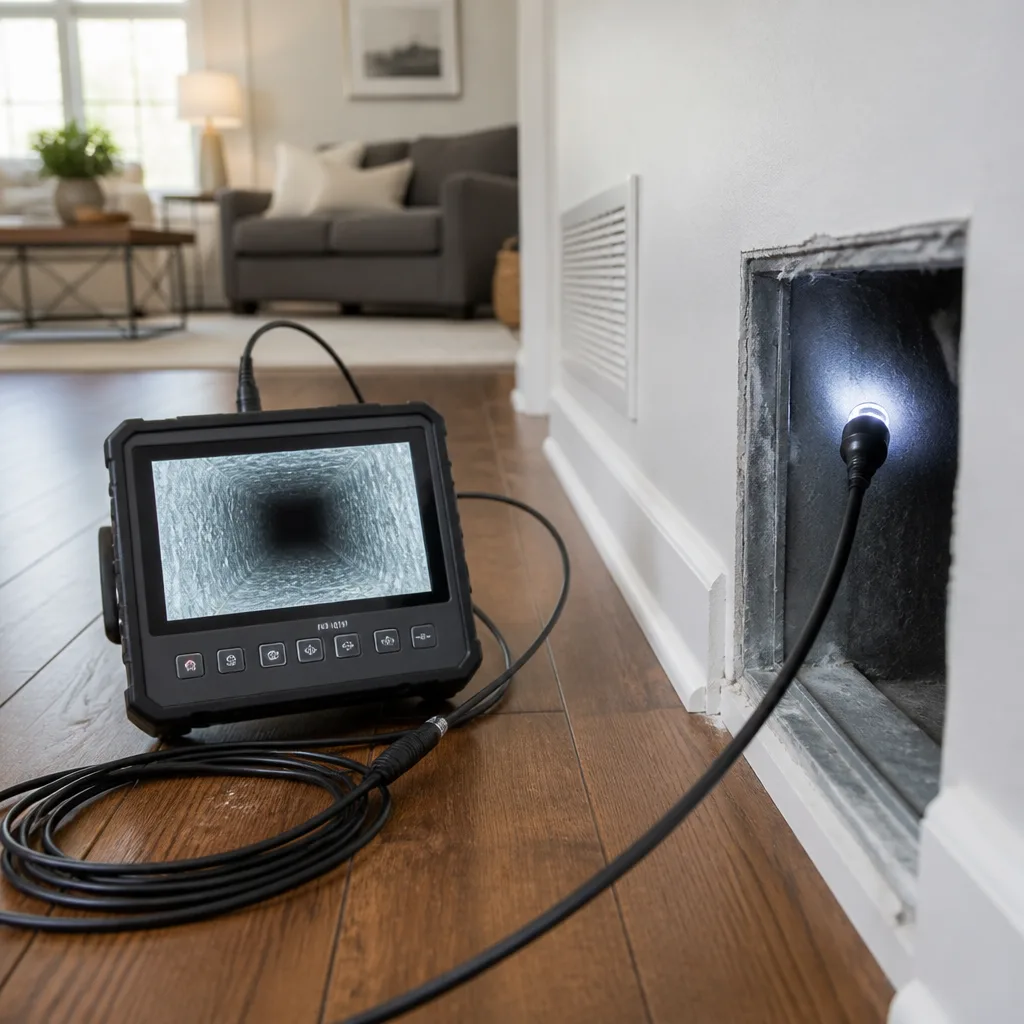 Camera inspection
 Sanitizing & deodorizing
Whole-system duct and dryer vent check with before-and-after photos - you see exactly what came out of your vents
That "$99 whole-house special" is a bait ad - the real number appears once they are in your hallway, or the "clean" is a shop-vac at the register. We photograph the inside of your ducts before and after instead.
How to Hire an Air Duct Cleaning Contractor in Midland: A Step-by-Step Guide
Texas does not license duct cleaning contractors. Anyone with a van and a leaf blower can legally offer the service in Midland, and some do. That’s the uncomfortable starting point for this guide, and it’s why the usual advice (“check reviews, get three quotes”) doesn’t protect you here. The filter that actually separates a qualified contractor from a pretender is technical: what equipment shows up at your door and how it’s used. We’ll walk through five equipment questions to ask before you schedule, what evasive answers sound like, how to read a written estimate, and how to judge before-and-after documentation.
Quick Answer
To hire an air duct cleaning contractor in Midland, ask five equipment questions before booking: what machine dislodges debris, what vacuum captures it, whether negative air pressure is used, whether a camera inspection is offered, and whether repair is in scope. A qualified contractor answers all five specifically and puts the scope in writing. Price and reviews alone won’t tell you whether the job is real.
Styles & brands we work with
- Whole-home duct cleaning
- Dryer vent cleaning
- Camera inspection
- Sanitizing & deodorizing
Table of Contents
- Why Texas Has No Licensing Requirement for Duct Cleaning
- The Five Equipment Questions to Ask Before You Schedule
- What Acceptable and Evasive Answers Sound Like
- Why NADCA Membership Matters and How to Verify It
- Red Flags Specific to the Permian Basin Market
- What a Legitimate Job Scope Looks Like in Writing
- How to Evaluate Before-and-After Documentation
- Common Mistakes to Avoid
- When to Call a Professional
Why Texas Has No Licensing Requirement for Duct Cleaning
Air duct cleaning in Texas doesn’t require a state license, a certification, or a specific insurance class. That’s a fact worth sitting with before you let anyone into your attic. In states that do regulate the trade, a contractor has to clear some bar before advertising. In Midland, the bar is whatever the contractor sets for themselves.
What this means practically is that you can’t outsource the vetting to a state agency or a directory badge. You have to ask questions and read the answers. The good news is that the gap between a real contractor and a rented blower is wide enough to spot with the right questions. The bad news is that reviews and price won’t expose it. A contractor can have a five-star average and still be blasting dust into your living room with a leaf blower in a condo on Wadley Avenue.
Midland’s dry climate adds another wrinkle. Fine dust accumulates in ductwork faster than in humid parts of the state, and a contractor using the wrong equipment can lift that dust into the air instead of pulling it out. The difference between “cleaned” and “stirred up” comes down to the tooling and the containment setup. This is the practical reason equipment questions matter more than company size.
We’re writing this guide from Midland because we work here and see the same pattern repeatedly: homeowners who paid for a cleaning that never happened. The framework below is what we’d want our own families to use. It’s deliberately technical, and we’d rather you ask a contractor five hard questions than hand over money and hope.
The Five Equipment Questions to Ask Before You Schedule
Ask these on the phone, before anyone comes out. A qualified contractor will answer all five in plain terms. A pretender will deflect, change the subject, or promise you a discount.
- What machine physically dislodges the debris from the duct walls? The honest answer names a rotary brush system. A brush physically scrubs; vacuum alone can’t lift caked dust off metal.
- What vacuum captures the debris you disturb? The answer should name a professional HEPA-rated unit with real negative-air capability, not a shop vac or a consumer blower.
- Do you set up negative air pressure inside the system before you start? This is the single most important question. Without negative pressure, dislodged dust goes into your living room, not the vacuum.
- Can you show me a camera inspection of the ducts before and after? A contractor who can’t offer this has no way to show you what they found or what they cleaned.
- If you find damaged or disconnected ductwork, can you repair it on the same visit? A cleaning-only contractor will hand you a second phone number for a sheet metal trade, and the transition point becomes a leak.
Notice that none of these questions is about price, reviews, years in business, or brand logos on the van. Those things are easy to manufacture. A Rotary brush and a Nikro negative-air unit are not. The questions above cut through everything the marketing puts in front of you and get straight to what’s going to happen inside your ductwork.
If a contractor passes all five, you likely have someone worth a free estimate. If they dodge even one, you’ve saved yourself the rest of the interview.
What Acceptable and Evasive Answers Sound Like
Most homeowners don’t know what a good answer to the five questions sounds like. Here’s the calibration, so you can spot an evasive response in the moment.
Question 1: What dislodges the debris?
Acceptable: “We use a Rotobrush rotary brush system – the brush physically scrubs the duct walls, and we run it through every branch line.” You’ll hear a specific brand name and a specific method.
Evasive: “We use compressed air” or “we blow it out.” A blower pushes debris; it doesn’t remove it.
Question 2: What captures the debris?
Acceptable: “Nikro HEPA vacuum” or “a HEPA-rated negative-air unit.” A named piece of industrial-grade equipment.
Evasive: “A powerful vacuum” or “shop vac.” If the brand name isn’t offered, ask for it.
Question 3: Negative air pressure?
Acceptable: “Yes, we set up negative pressure at the main trunk and keep it running the entire job.” That’s the two-stage process. Dislodge, capture, contain.
Evasive: “The vacuum takes care of it” or “we seal the registers.” Neither answer is the same as negative pressure.
Question 4: Camera inspection?
Acceptable: “Yes, before and after, and we’ll show you the footage.”
Evasive: “We don’t need it” or “it’s not standard.” A contractor without a camera has no way to demonstrate the work.
Question 5: Repair on the same visit?
Acceptable: “Yes, we can seal, patch, or reconfigure on the same visit if we find a problem.”
Evasive: “You’d need a separate contractor for that.” That leaves a disconnected branch line to leak until the second crew shows up.
One more calibration point: a qualified contractor will use the word “negative” or “containment” without prompting. A pretender will talk about airflow, coupons, and “whole house specials.”
Why NADCA Membership Matters and How to Verify It
NADCA (the National Air Duct Cleaners Association) publishes the ACR standard, the trade’s recognized baseline for how duct cleaning should be done. Membership isn’t required in Texas, but it’s a meaningful signal because it means the contractor has at least opted into an external standard.
That said, don’t take the badge on the website at face value. Here’s how to check.
- Ask for the member number. A real member has one and can produce it without hesitation.
- Look them up on the NADCA directory directly. Search the association’s own site, not the contractor’s page.
- Ask what the ACR standard requires for containment. A member should be able to describe negative air pressure and source-removal methods in plain terms.
- Ask about technician training. NADCA offers certification paths; a member should know what their crew has completed.
We mention this because in Midland the absence of state licensing means NADCA is one of the few external checks that exists. It’s not a substitute for the five equipment questions. It’s a supporting signal. A contractor who’s a member and passes the equipment screen is in a different category from one who’s a member but can’t explain their vacuum.
If a contractor advertises NADCA membership and can’t produce a member number or show up in the directory, treat that as a red flag, not a minor bookkeeping issue.
Red Flags Specific to the Permian Basin Market
Midland’s oil-and-gas economy creates a specific market dynamic for home services. High demand, tight labor, and a lot of homeowners who don’t have time to comparison-shop carefully. That combination attracts the wrong kind of contractor. Here’s what to watch for.
Unusually low bids
When one quote is dramatically below the rest, the difference usually isn’t efficiency. It’s equipment. The low bid is likely quoting a blower and a shop vac, with no negative pressure and no camera. Ask what tools are included, and the low bid usually explains itself.
“Whole house” pricing with no site assessment
A legitimate cleaning price depends on system size, number of branch lines, and condition. A contractor who quotes a flat price over the phone, before seeing the system, is pricing a service they haven’t assessed. That’s not a bargain; it’s a guess that gets adjusted once they’re inside.
No camera inspection offered
In a market where every job involves driving to a different subdivision – from Grassland to the neighborhoods around Ranchland Hills – a camera is the only way to prove the work. If it’s not offered, ask why.
Per-vent pricing
Pricing by vent count encourages speed over thoroughness. It rewards a contractor for counting registers, not for cleaning them. Ask for whole-system pricing instead.
No written estimate or scope
If the number is verbal, you have no recourse. The written estimate is the contract, and it should list what’s included line by line.
No before-and-after documentation
A contractor who won’t photograph the ducts before and after is telling you something. Either they don’t have a camera, or they don’t want you to see what they didn’t do.
What a Legitimate Job Scope Looks Like in Writing
The written estimate is the single most useful document in this whole process. It’s your protection if the job goes sideways. Here’s what a real one contains.
- System description: number of branch lines, trunk size, and any noted condition issues found during the walkthrough.
- Equipment named: the rotary brush system and the negative-air HEPA unit, listed by brand or class.
- Containment method: how negative pressure is established and maintained during the job.
- Cleaning scope per component: supply trunk, branch lines, registers, return plenum. Each listed separately.
- Repair scope if applicable: what will be sealed, patched, or reconfigured, and whether it’s included in the flat price or estimated separately.
- Documentation commitment: before-and-after photos and camera footage included in the job.
- Flat price per system: one number for the whole job, agreed before work starts.
What shouldn’t be on the estimate: a per-vent line item, a “starting at” price with asterisks, or a coupon figure that gets adjusted on-site. Our approach is one flat price per system, agreed in writing before work starts. No per-vent pricing, no surprises.
If the estimate is thin, ask for the missing pieces. A contractor who won’t add them is telling you the scope wasn’t set in the first place.
How to Evaluate Before-and-After Documentation
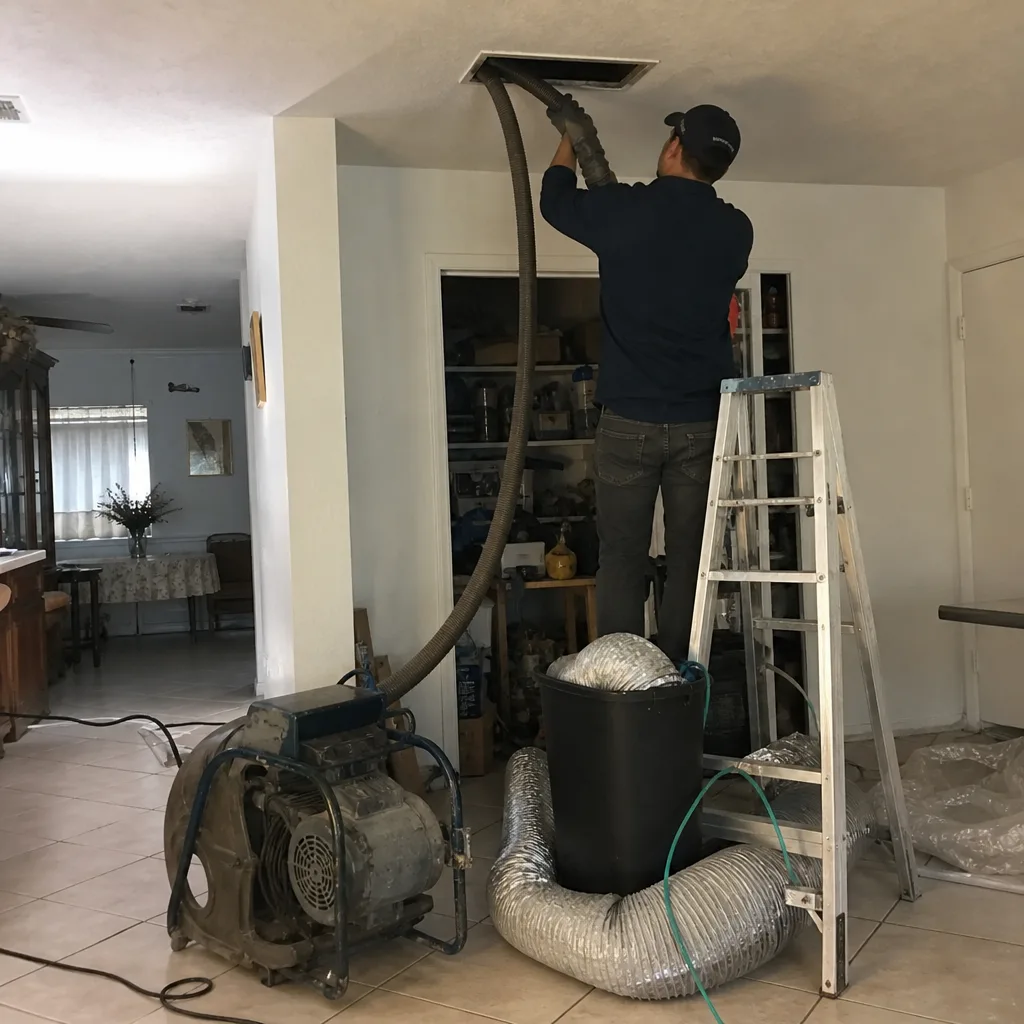
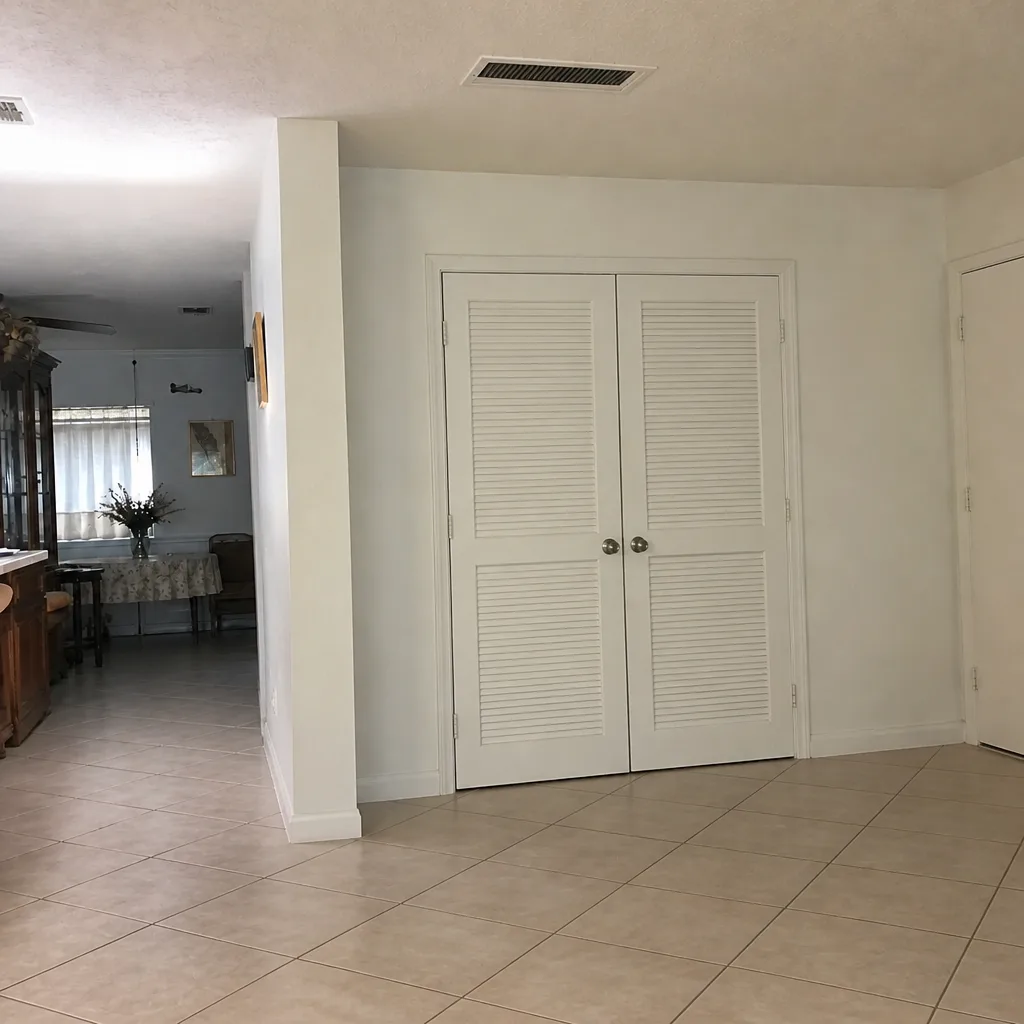
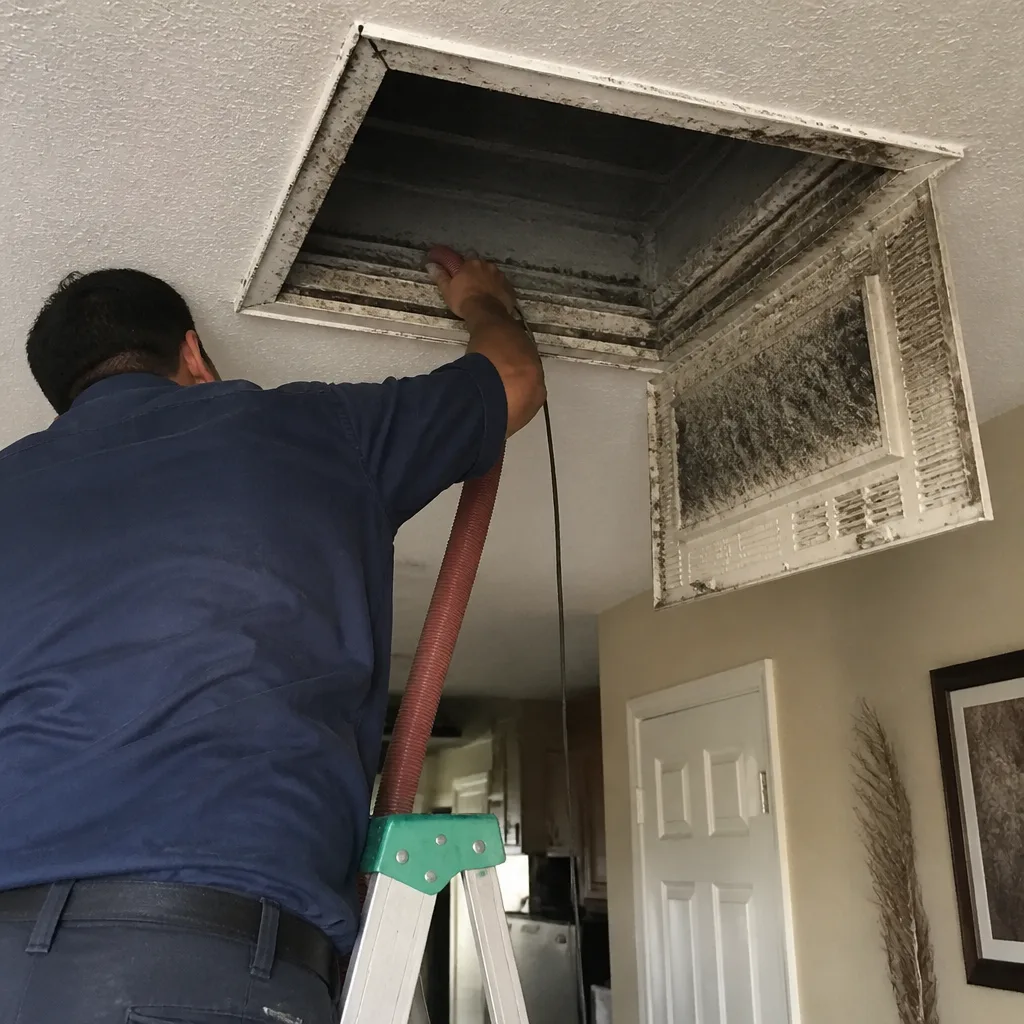
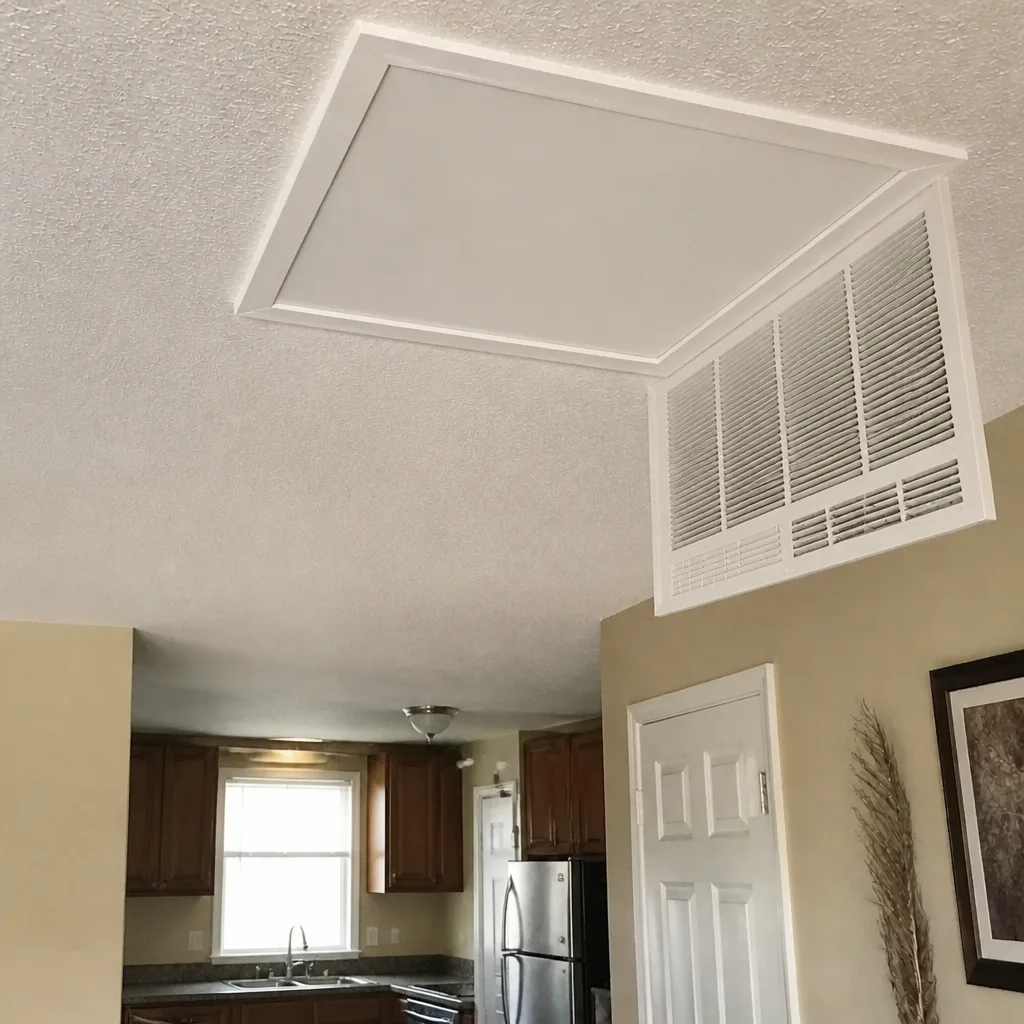
Before-and-after photos are the closest thing the trade has to a receipt. A contractor who can show you the inside of your ducts at the start and the end has provable work. A contractor who can’t has promises.
Here’s what to look for in the documentation.
- Same angle, same location. The before and after shots should be from the same camera position, so you can compare like for like. A before shot of the trunk and an after shot of a register isn’t evidence.
- Camera footage, not just stills. Stills can be cherry-picked. A short camera run of the main trunk is harder to fake.
- Branch lines included, not just the trunk. Most of the debris lives in the branches. If the documentation only shows the trunk, ask about the branches.
- A date stamp or job reference. Documentation tied to your specific job, not a stock gallery.
- Before the repair, after the repair. If the visit included a sealed joint or a patched section, ask for photos of that work too.
The reason this matters in Midland specifically: the dry climate means ducts accumulate fine dust quickly, and the difference between a good job and a bad one is visible in the photos. If the before shot shows heavy dust on the duct walls and the after shot shows clean metal, the work happened. If the after shot is a slightly less dusty version of the same image, it didn’t.
Ask for the documentation in writing up front. A contractor who won’t commit to it is telling you something important about how the job will be done.
Common Mistakes to Avoid
- Hiring on price alone. The cheapest quote is usually the one without the right equipment. Ask the five questions before you compare numbers.
- Accepting a phone quote. A real estimate comes after a walkthrough. A contractor who quotes a flat price before seeing your system is guessing.
- Skipping the camera inspection question. In a West Texas market with no licensing, the camera is the only way to prove the work. Ask before you book.
- Assuming the van size means something. A large logo and a wrapped truck don’t tell you what equipment is inside. The brand names on the machine do.
- Letting the contractor skip written scope. A verbal estimate gives you no recourse if the job turns into something else on-site.
- Ignoring the repair question. If the contractor can’t fix a disconnected branch line, you’ll be paying a second trade to come out and finish the job.
- Not asking about containment. Without negative air pressure, the dust goes into your living room. This is the most expensive mistake on this list.
When to Call a Professional
Most homes don’t need duct cleaning on a schedule. They need it when a specific signal shows up. If you’re seeing visible dust blowing from registers after a filter change, smelling a musty odor that doesn’t clear when the HVAC cycles off, or noticing allergy symptoms that worsen indoors, those are reasons to get a professional out for an assessment. The same goes for a recent HVAC service call that turned up a disconnected branch line, or a home you’ve just moved into where the previous owner’s maintenance history is unknown. Dryer vent cleaning is a separate category: the fire-safety risk compounds with lint buildup over time, and it’s worth a dedicated visit even if the ducts are clean. Duct Cleaning Midland offers free estimates in Midland – call (844) 382-8255. We answer 24/7, and dispatch runs 7am to 7pm, Sunday through Friday.
See the difference
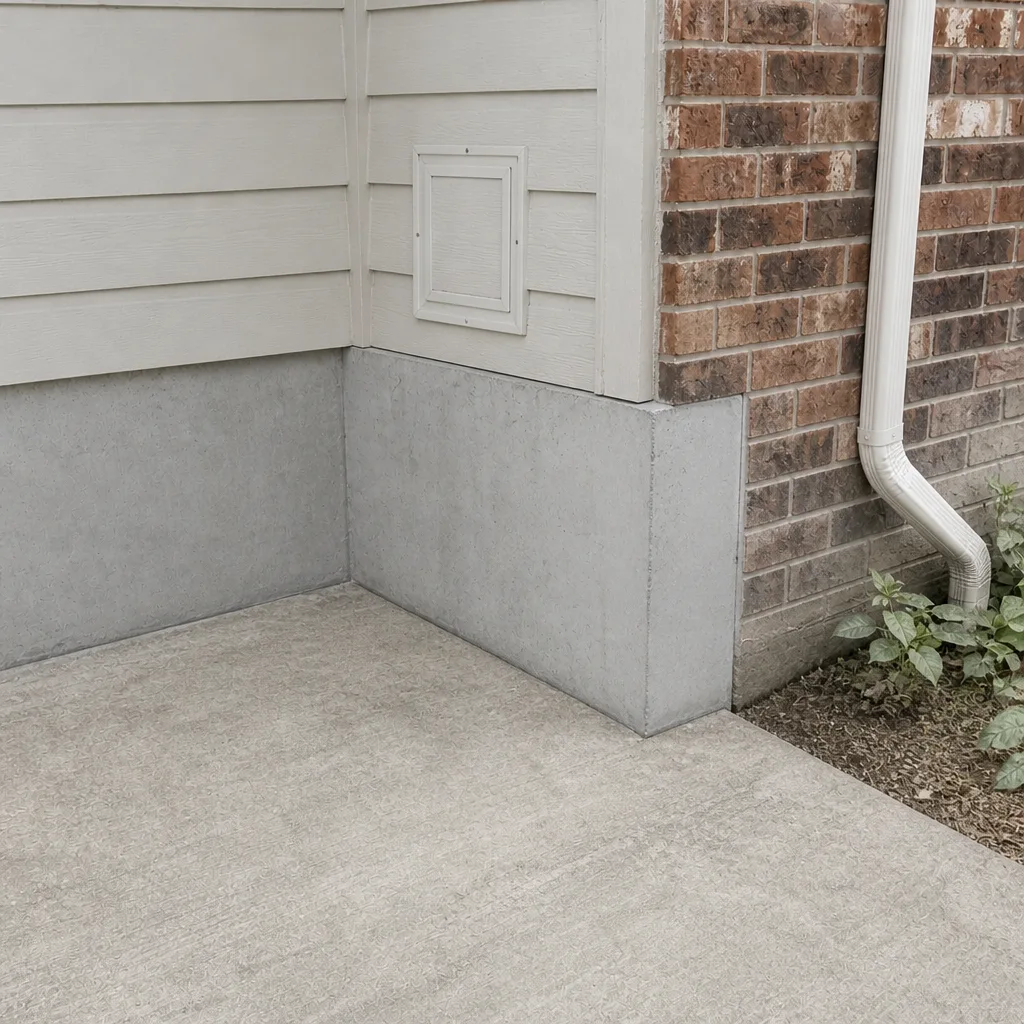
 Before
 After
 Before
 After
 Before
 After
Frequently Asked Questions
No. Texas does not license air duct cleaning contractors, which means no state agency vets equipment, training, or insurance. The vetting is on you, which is why the five equipment questions matter more here than in a licensed state. Call (844) 382-8255 for a free estimate – we’re happy to walk through our equipment before you book.
Pricing is per job, set by the written estimate after a site assessment, because system size and condition vary widely from home to home. We don’t publish per-vent pricing and we don’t quote over the phone. Call (844) 382-8255 to schedule a free estimate – the written scope sets the final price.
Cheaper quotes usually reflect cheaper equipment – a blower and a shop vac instead of a rotary brush and negative-air HEPA unit – and often skip containment and camera inspection entirely. The low number looks like a bargain until you understand what’s not included. Call (844) 382-8255 and we’ll explain what a complete scope covers.
There’s no universal schedule. Homes near active construction, homes with pets, and homes where the HVAC has been serviced and turned up debris tend to need it sooner. A camera inspection during a free estimate tells you more than any general rule. Call (844) 382-8255 to book one.
Before-and-after camera footage of your own ducts, taken from the same angle before and after, is the standard. A contractor who won’t commit to providing that is telling you something. We include it with every job – call (844) 382-8255 to see what that looks like.
Not if the contractor offers it as a dedicated service. Dryer vent cleaning is a fire-safety service, not an airflow add-on, and it deserves its own visit with its own scope. If your contractor doesn’t offer it, you’ll need a second call. Duct Cleaning Midland offers it alongside air duct cleaning – call (844) 382-8255 for a free estimate.
The Bottom Line
In a state with no duct cleaning license, equipment questions are the most reliable filter you have. Ask what dislodges the debris, what captures it, whether negative pressure is used, whether a camera inspection is offered, and whether repair is in scope. Read the answers as carefully as you read the price. A written scope, before-and-after documentation, and a flat price per system are the other three signals that separate a real contractor from a rented blower. Get all four and you’re protected, whether you’re in Midland or anywhere else in the Permian Basin.
If you’re ready to see what a properly scoped job looks like, Duct Cleaning Midland is one call away. We offer dryer vent cleaning alongside duct work and Midland-area service, and we’re happy to answer the five questions above before you book. Call (844) 382-8255 for a free estimate. We answer 24/7, and fast dispatch runs from 7am to 7pm, Sunday through Friday.
Written by the team at Duct Cleaning Midland.