
Last updated November 15, 2026
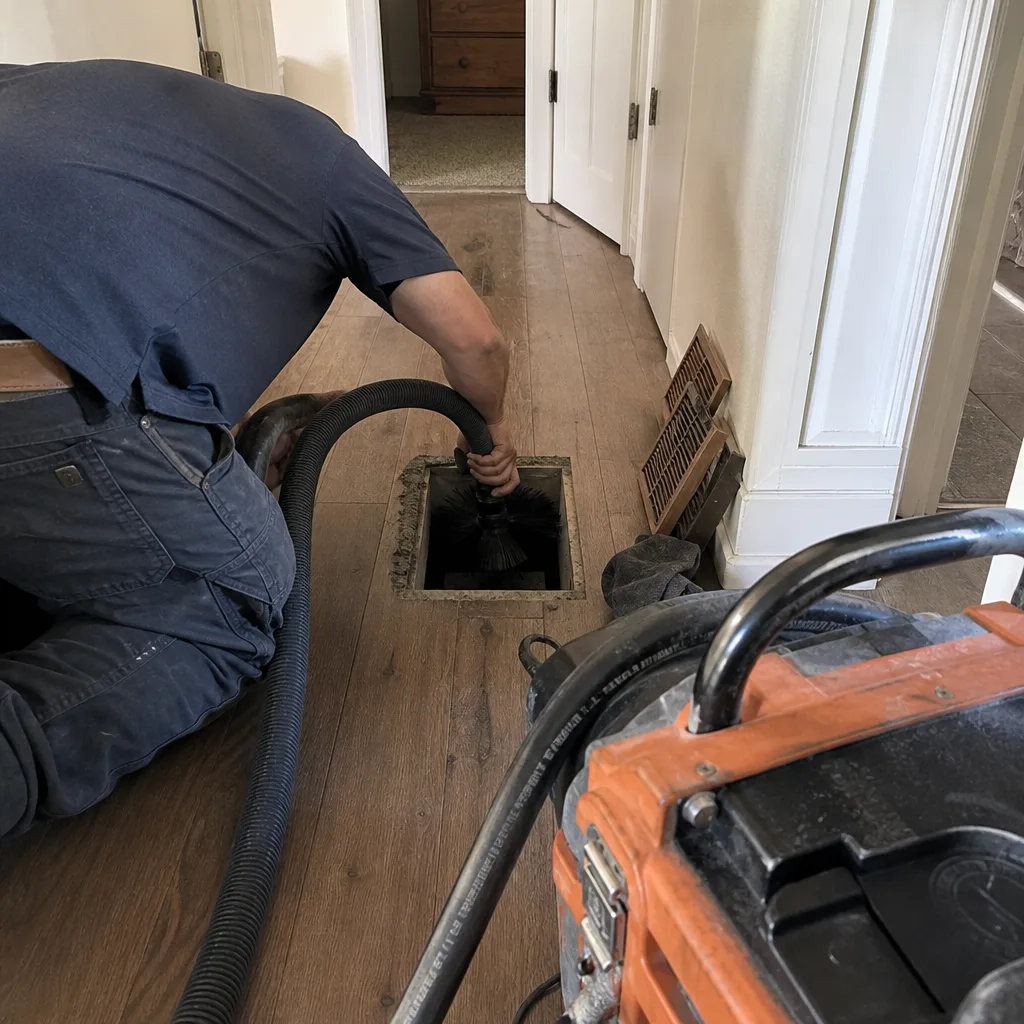
 Whole-home duct cleaning
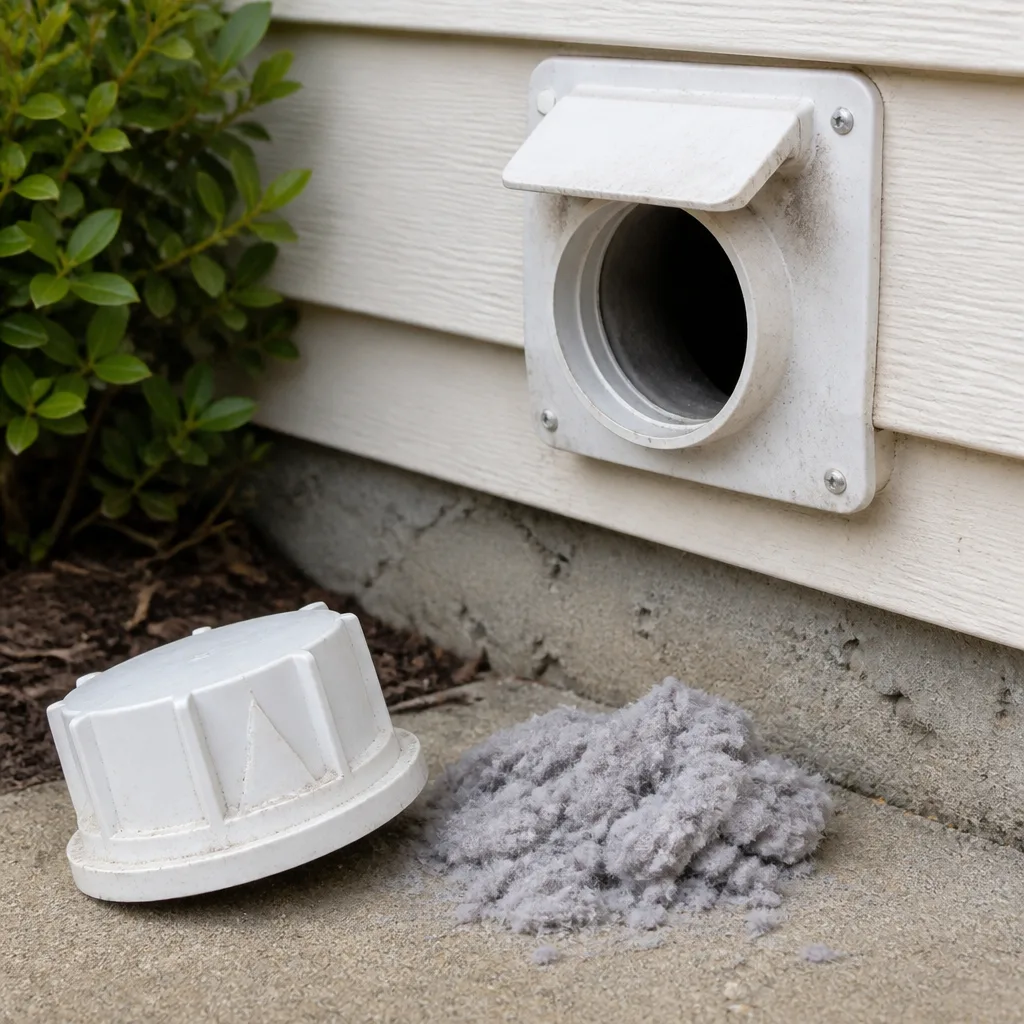 Dryer vent cleaning
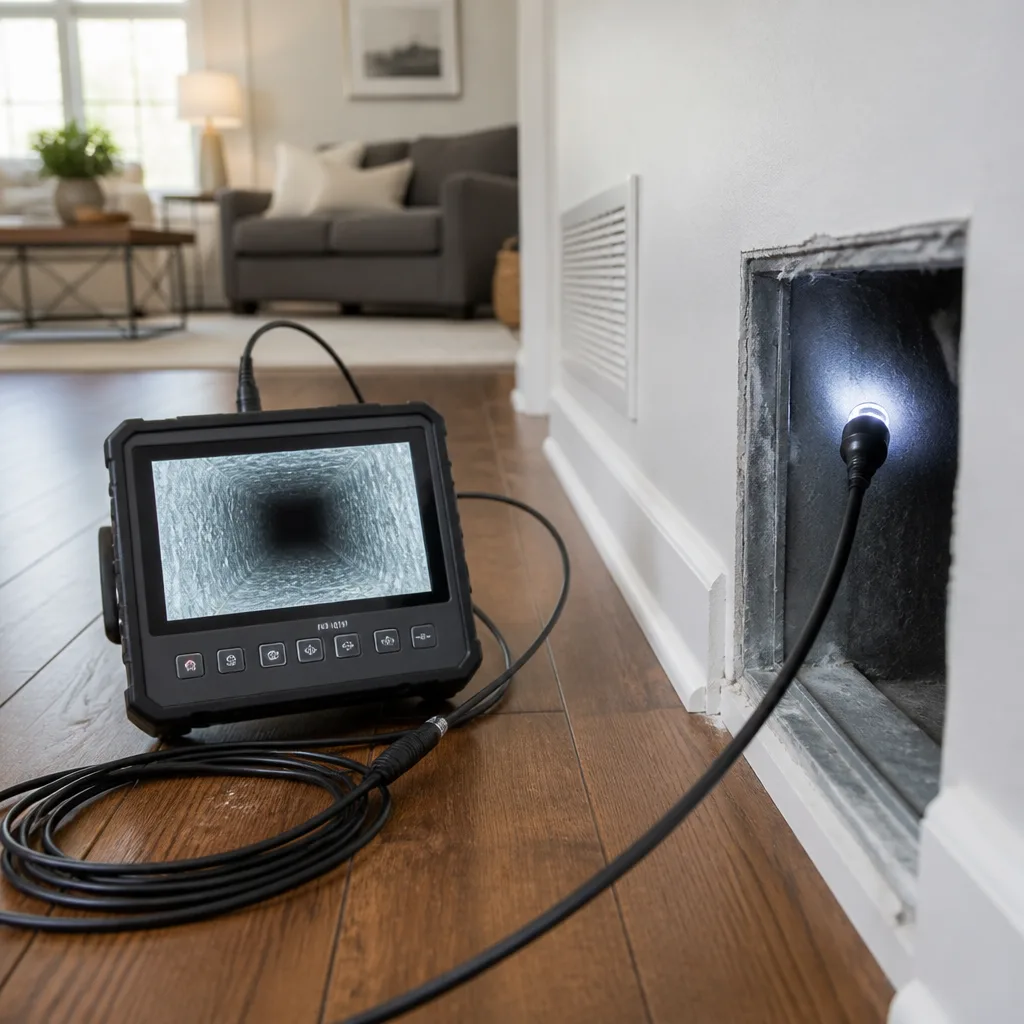 Camera inspection
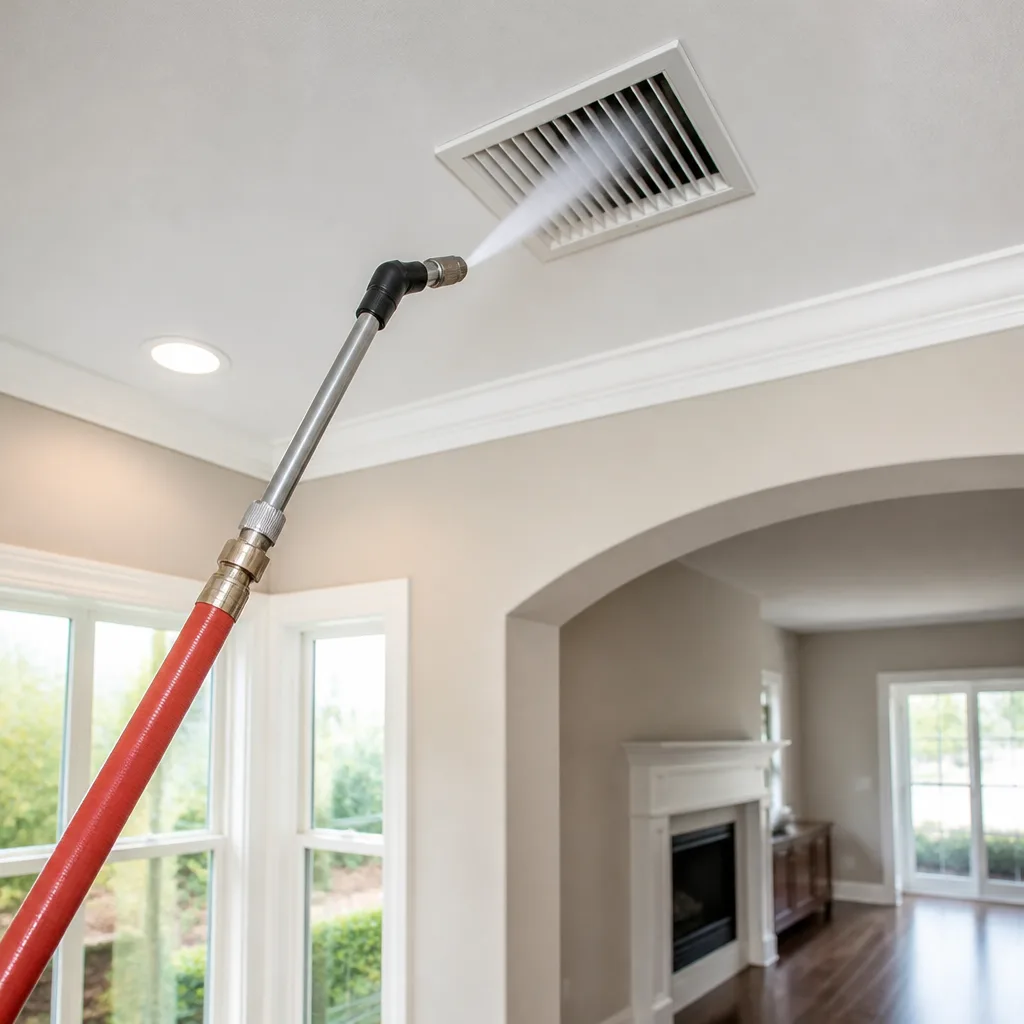 Sanitizing & deodorizing
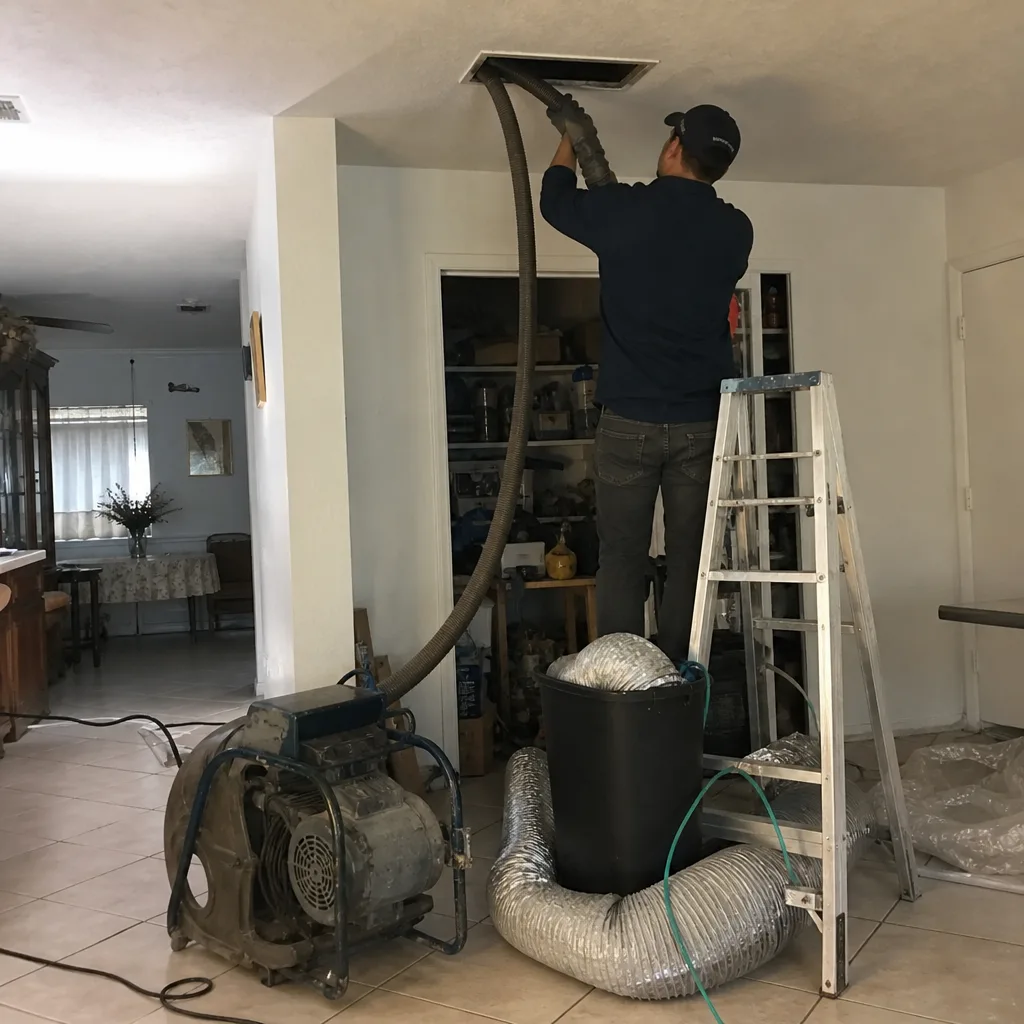
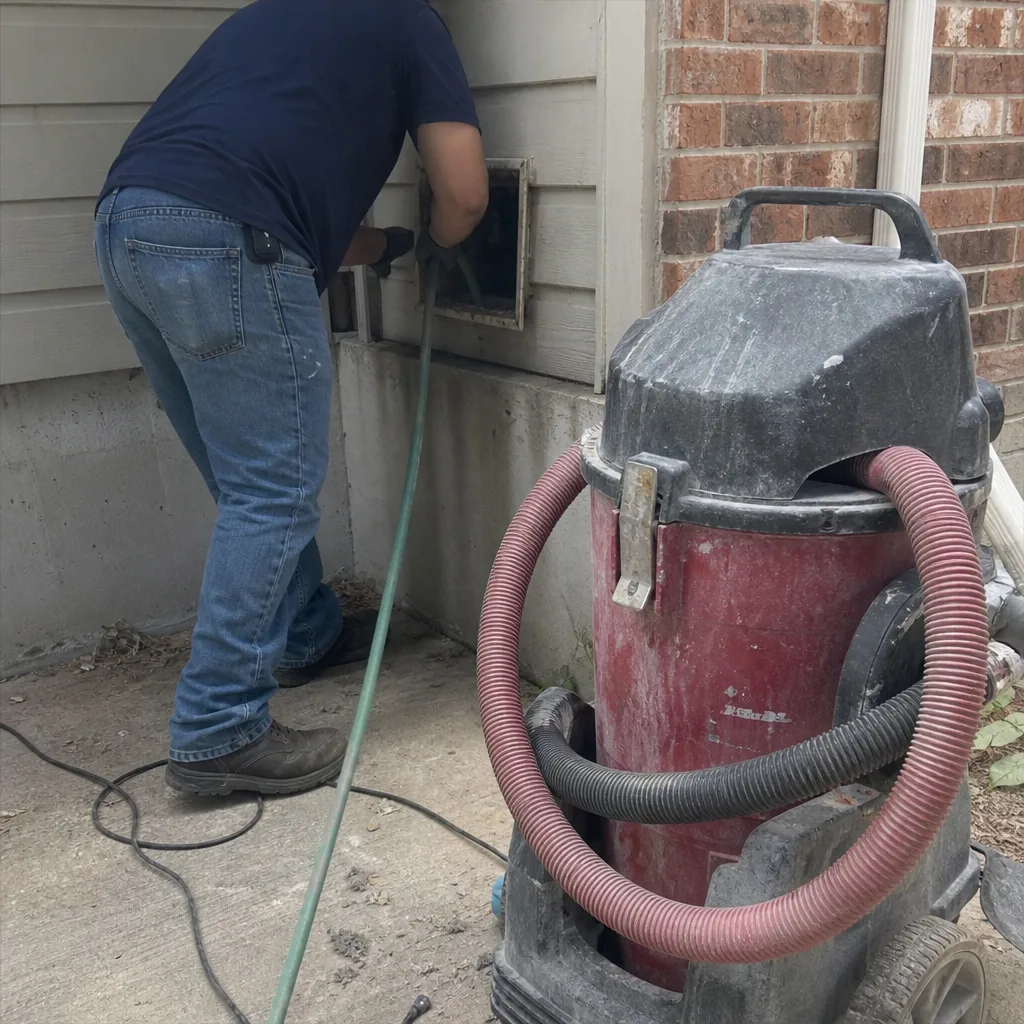
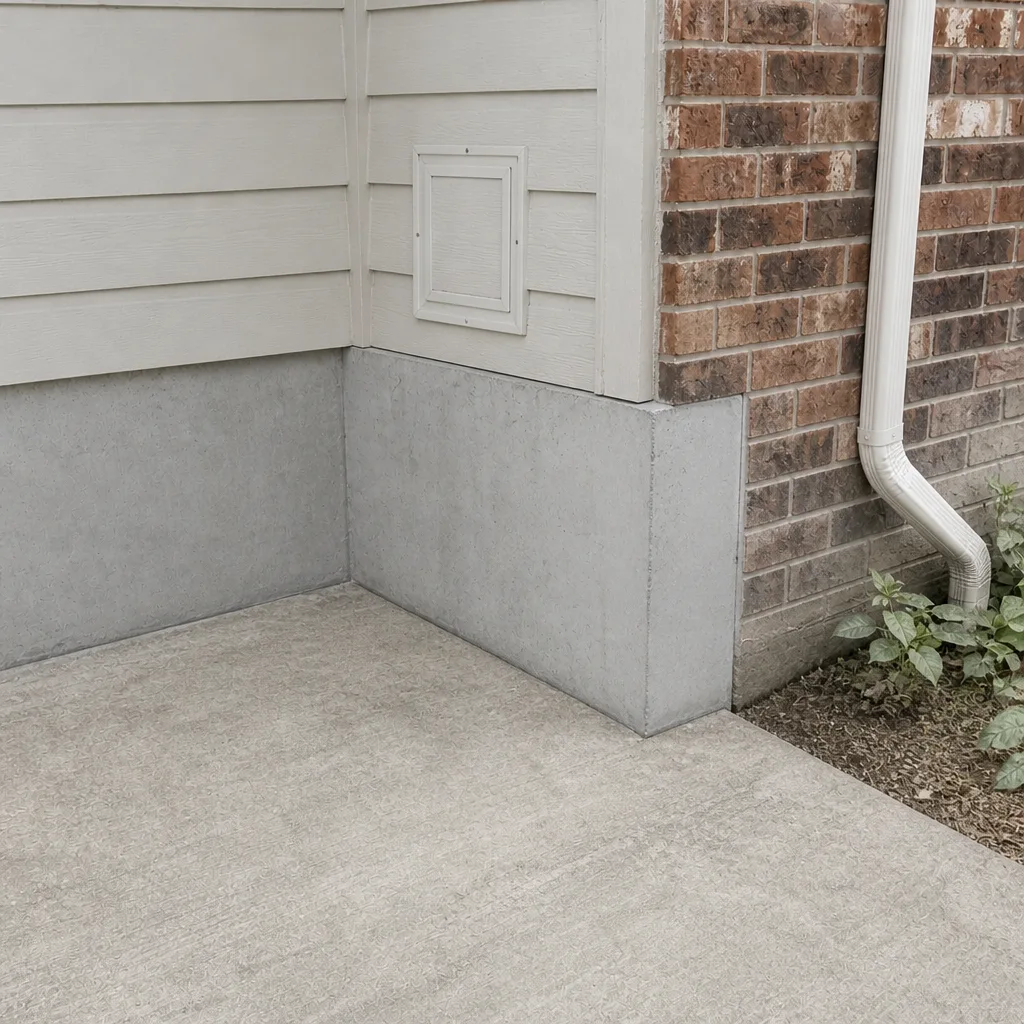
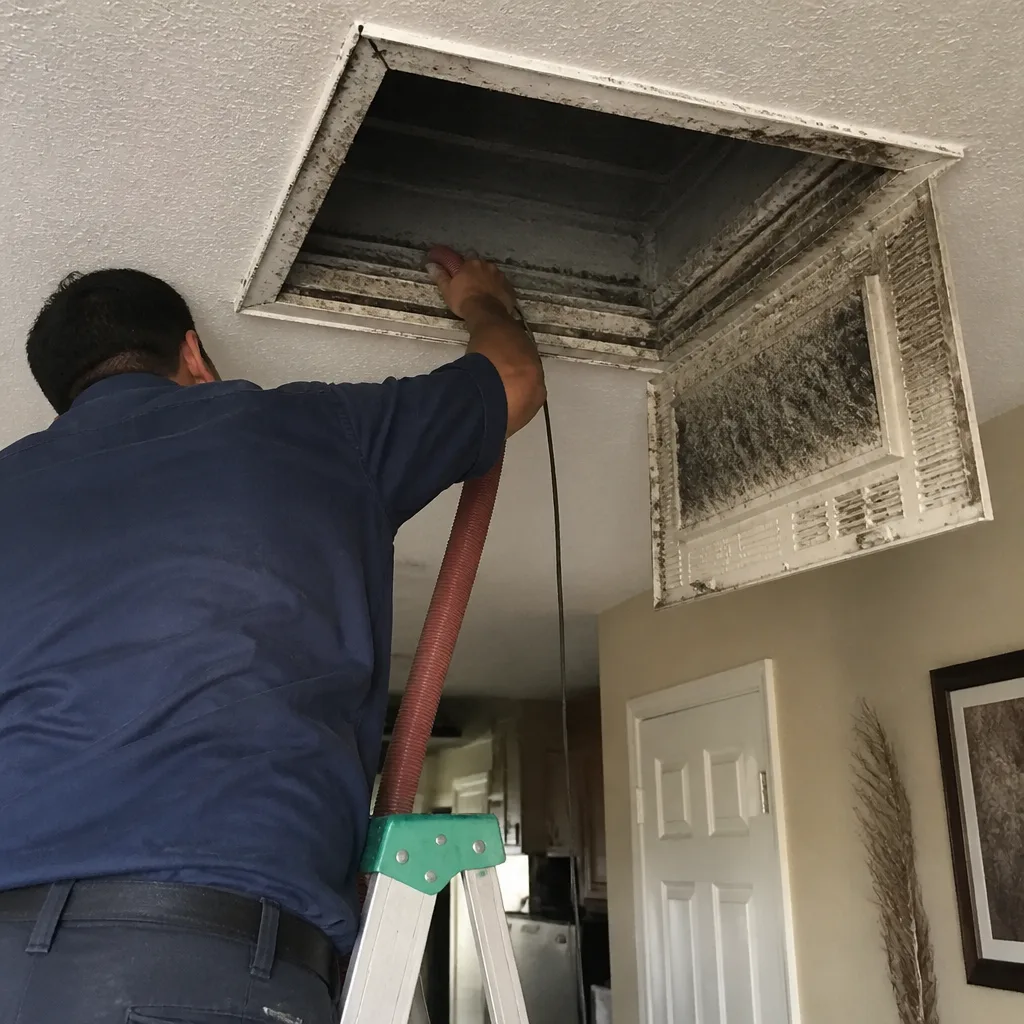
Whole-system duct and dryer vent check with before-and-after photos - you see exactly what came out of your vents
That "$99 whole-house special" is a bait ad - the real number appears once they are in your hallway, or the "clean" is a shop-vac at the register. We photograph the inside of your ducts before and after instead.
DIY vs Professional Air Duct Cleaning: The Midland Homeowner’s Decision Guide
Most duct cleaning advice online ends the same way: don’t touch it, call a professional. We’re not going to write that guide. The truth is more useful and more interesting. A homeowner with the right small tools can genuinely maintain part of a duct system, and no homeowner with a shop vac can meaningfully clean the main trunk line of a contaminated system. The gap isn’t about effort or willingness. It’s about physics. Knowing which problem you actually have is the whole decision, and that’s what this Midland guide walks through.
Quick Answer
You can absolutely handle register cleaning, light inspection, and clearing a short straight dryer vent run yourself. You should not attempt to clean a main trunk line, a contaminated plenum, or any duct interior that requires mechanical agitation and sustained negative pressure, because consumer equipment can’t generate either. If your ducts are contaminated past the register boots or you’re seeing debris blow out of supply vents, the job belongs to commercial-grade equipment and a professional.
Styles & brands we work with
- Whole-home duct cleaning
- Dryer vent cleaning
- Camera inspection
- Sanitizing & deodorizing
Table of Contents
- What You Can Realistically Do Yourself
- Where Consumer Equipment Physically Fails
- How to Assess Your Own Duct System Type
- When DIY Makes Professional Cleaning Harder
- The Dryer Vent: Where DIY Does Real Good
- The Decision Matrix: Four Factors That Shift the Call
- What Midland Conditions Do to Duct Systems
- Common Mistakes to Avoid
- When to Call a Professional
What You Can Realistically Do Yourself
There’s a real list here, and we’d rather you know it than assume every duct task is out of reach. Homeowners in Midland handle these jobs competently all the time, and doing them doesn’t conflict with professional cleaning later.
- Register and grille cleaning. Remove the supply and return grilles and wash them in a sink or tub with mild soap. This is where most visible dust accumulates, and it’s the cheapest improvement in the whole system.
- Register boot cleaning. The short visible section between the grille and where the duct disappears into the wall or floor can be wiped and vacuumed with a crevice tool. That’s accessible surface, not duct interior.
- Visual inspection of accessible flex duct. Where flex duct is visible in an attic, garage, or crawl space, you can look for kinks, crushed sections, disconnected collars, or tears. You can photograph what you find, which is genuinely useful information to hand a technician.
- Return air filter maintenance. Changing the filter on schedule is the single highest-value duct-adjacent task a homeowner owns. A clogged filter strains the system and lets more particulate settle downstream.
- Outside air intake screens and vent covers. Clearing debris from exterior vent hoods keeps rain, insects, and yard material out of the system.
- Short, straight dryer vent runs. A dryer vent that exits straight through a wall a few feet from the appliance can be cleared with a vent brush kit. We cover the limits of this below.
Notice what all of these have in common: they’re tasks where you can see the surface you’re cleaning and reach it with a hand tool. That’s the dividing line. The moment the work moves past a visible surface into a duct interior you can’t see, the tools and the method have to change.
Where Consumer Equipment Physically Fails
This is the part of the DIY debate that rarely gets explained honestly. It isn’t that shop vacs are bad machines. It’s that they’re built for a different job, and the numbers don’t overlap with duct work.
Air duct cleaning requires two things working together: mechanical agitation to break debris loose from duct walls, and sustained negative pressure to capture it. A vacuum alone doesn’t remove dust that has bonded to a duct surface, and agitation without containment just makes the debris airborne inside the system.
Here’s the mechanical reality:
- Suction volume. Consumer wet/dry vacuums move a fraction of the air volume that truck-mounted or commercial HEPA units generate. Duct cleaning depends on volume, not just vacuum pressure, because you need to move air through the entire run to carry debris back to the collection point.
- Reach. A shop vac hose can enter a register boot. It cannot travel down a main trunk line, around a ninety-degree elbow, and back out the other side of the system. The hose simply stops.
- Agitation. Nothing on a consumer vacuum scrubs a duct wall. Rotary brush systems exist precisely because vacuum alone doesn’t remove adhered debris. Rotobrush rotary brushes physically scrub duct walls while negative-air equipment captures what’s released.
- Containment. Push a shop vac into a dirty duct and you disturb settled particulate in the room. Commercial setups use HEPA negative-air filtration, like the Abatement Technologies equipment we run on every job, so what comes out of the duct doesn’t end up in your living space.
- System access. Professional cleaning often requires cutting small access holes in the plenum or trunk and resealing them afterward. That’s a normal part of the trade and not something to attempt without knowing how to restore the system airtight.
So the honest answer to “can I clean my own ducts with a shop vac?” is: you can clean the parts you can see and reach. The main trunk line, the plenum above the air handler, and the interior of long flex runs are past what the equipment can physically do. That’s not a sales position. It’s how the machines work.
How to Assess Your Own Duct System Type
Before you decide anything, figure out what you’re actually working with. System type determines DIY feasibility more than any other single factor, and you can identify yours in a few minutes without special tools.
Step 1: Identify the duct material
Look at duct runs visible in the attic, garage, or crawl space, and at what connects to your registers. Sheet metal is rigid, silver-grey, and usually rectangular or round with visible seams. Flex duct is the silver foil or insulated plastic tube, often with a wire helix visible inside. Duct board is rigid fiberglass board with a foil face, common on returns in some homes.
Flex duct is the least DIY-friendly interior to clean. Its ribbed interior traps debris in the corrugations, and pushing a brush through it aggressively can tear the liner. Sheet metal is more forgiving but has seams and joints where debris collects, which is exactly why professionals cut access points.
Step 2: Identify the layout
Trunk-and-branch means a main rectangular trunk runs through the house with smaller round branches peeling off to each register. Plenum systems use a large distribution box directly above the air handler, with individual runs coming off it. The plenum is the part most likely to hold heavy accumulation and the part least accessible to a homeowner.
Step 3: Count the registers
Write down how many supply and return registers you have. This tells you the scale of the system and gives you a number to compare against any professional estimate. A whole-system price covers the whole system; that’s the number to ask for.
Step 4: Check the air handler closet
Look at the return duct where it enters the air handler. If the inside of that surface is visibly coated, the contamination has reached the main system, and register cleaning won’t touch it. If it’s clean and the dust is only at the grilles, you may be looking at a maintenance problem rather than a cleaning problem.
If you’re not sure what you’re looking at, that’s useful too. Photograph it and ask. A quick conversation with a technician about air duct cleaning will tell you faster than any internet diagram whether your system needs professional attention.
When DIY Makes Professional Cleaning Harder
This is the section nobody writes, and it’s the reason we take the position we do. Some DIY attempts don’t just fail to clean the system. They make the next professional cleaning more difficult, or they damage the system outright.
- Displaced insulation. Pushing a shop vac hose or brush into a duct board or lined duct can tear the interior lining. Loose fiberglass inside a duct then becomes part of what blows into the house, and removing it takes more work than the original cleaning would have. Duct board in particular does not tolerate aggressive brushing.
- Dislodged connections. Flex duct connects to metal collars with ties or tape. Pulling on a flex run from inside can break that connection, which means the duct now leaks into the attic instead of delivering air to the room. That’s an efficiency loss and a contamination path.
- Pushed debris. A vacuum that can’t capture what it loosens can push material further down the run or into a branch it can’t reach. Debris that was sitting in one place is now spread through the system, and the professional cleaning has to address more surface area.
- Crushed flex runs. Stepping on or leaning against a flex duct in an attic while working nearby crushes it permanently. A crushed run loses airflow and has to be replaced, not cleaned.
- Unsealed access holes. If you cut into the plenum or trunk without properly sealing it afterward, you’ve created a permanent leak into the attic or wall cavity. Sealing ductwork correctly is a specific skill, and it’s why duct repair is a separate service for a reason.
- Chemical residues. Fogging or spraying an over-the-counter product into a duct can leave residue on the blower wheel and evaporator coil. That residue attracts dust and can affect how the system runs.
The pattern is that DIY risk climbs steeply once you leave the visible surface. Register cleaning has almost no downside. Interior duct work with consumer tools has real downside. Knowing where that line sits is the whole point of this guide.
The Dryer Vent: Where DIY Does Real Good
Dryer vents deserve their own section because the DIY math is different from the duct math. A dryer vent is a single run, usually short, often straight, and it has one clear job: carry lint and moist air outside. Clearing it is a legitimate homeowner task.
Here’s where DIY works well:
- Short, straight runs. If the vent exits the dryer, goes through a wall, and terminates a few feet away, a vent brush kit and a shop vac handle it. Feed the brush through, pull lint back, vacuum the opening.
- Cleaning the termination hood. Lint accumulates at the outside flap and is easy to clear by hand. A blocked hood is a common airflow restriction.
- Checking for crushed or disconnected venting. If the dryer vent runs behind the appliance and is kinked, you may be able to relocate or straighten the ducting once the dryer is pulled out.
Where DIY gets harder:
- Long runs. Vent runs with significant length, multiple elbows, or a vertical rise beyond a floor are past what a homeowner brush kit reaches effectively. Lint packs into elbows and stays there.
- Rigid versus flexible venting. Flexible foil or plastic venting accumulates lint along the entire ribbed interior. Rigid metal venting cleans more completely, and the trade recommendation is to replace flexible venting with rigid where possible.
- Roof termination. If the vent terminates on the roof, reaching it safely is a job for someone with the right equipment and training.
The reason this matters beyond airflow: dryer vents are a fire risk, and clearing them is one of the few home maintenance tasks with a direct safety payoff. We treat dryer vent cleaning as its own service rather than an add-on because the risk is real and the cleaning is a different job from duct work. If your run is long, elbow-heavy, or roof-terminated, have it done properly.
The Decision Matrix: Four Factors That Shift the Call
Most homeowners don’t need a rule; they need to know which factor tips their situation. These four do the most work.
Factor 1: Contamination type
Surface dust at registers is a DIY job. Visible debris blowing out of supply vents is not. Musty or stale odors from the system usually indicate moisture or microbial activity somewhere in the ductwork, and that needs inspection, not a brush. Construction or renovation dust from recent work is heavy, fine, and gets everywhere; it’s a professional cleaning scenario.
Factor 2: Duct accessibility
If the ducts are exposed in an attic or garage and you can see them, you have more DIY options for inspection. If the system is enclosed in walls and ceilings, everything past the register boot is out of reach, and your DIY capability ends at the grille.
Factor 3: System age and history
A system that’s been maintained with regular filter changes and hasn’t had a renovation is a different situation from a system that hasn’t been touched since the house was built. Older systems with original flexible ducting, or any system that’s never been cleaned, are worth a professional evaluation before you decide.
Factor 4: Health concerns in the household
If someone in the home has respiratory sensitivity, allergies, or immune concerns, the calculation changes. DIY cleaning disturbs particulate, and without proper containment that particulate goes into the living space. This is exactly where HEPA negative-air filtration matters. We don’t guarantee health outcomes, and no one should. But if containment is the priority, that points toward professional equipment.
Score each factor as DIY-friendly or professional. Two or more professional factors means the system is past what consumer tools handle. For Midland homes in particular, the contamination type factor often comes up dusty, which pushes the call toward professional for most systems over a certain size.
What Midland Conditions Do to Duct Systems
Midland’s climate shapes what ends up in a duct system. West Texas air carries fine dust and particulate for much of the year, and that dust doesn’t stay outside. It comes in through door gaps, return air intakes, and any small opening in the envelope. Over time it settles in the trunk line and in flex duct corrugations.
The heating and cooling pattern matters too. Midland homes run their HVAC systems heavily for much of the year, which means air moves through the ductwork constantly and the filter loads up fast. A filter that’s past due lets particulate through to the evaporator coil and downstream duct surfaces. That’s why filter maintenance is the one DIY task we’d push hardest in this climate.
Housing stock plays a role. Midland has a wide mix of housing ages and styles, from older homes with sheet metal ductwork to newer construction using flex and duct board. That mix means there’s no single answer for the city. A 1950s home with original sheet metal has a different cleaning reality from a newer build with flexible ducting in an attic. If you’re trying to figure out which you have, the system type section above is the place to start.
The practical implication: Midland homeowners should assume some dust accumulation is normal and plan for it rather than wait for a visible problem. A register-cleaning routine plus disciplined filter changes keeps a system stable. A professional evaluation on a sensible interval catches the accumulation you can’t see.
Common Mistakes to Avoid
- Assuming a shop vac is a duct cleaning tool. It’s a surface vacuum. Using it inside a duct disturbs debris it can’t capture, which makes things worse. Keep it at the grille and the boot.
- Skipping the filter schedule to “save money.” In Midland’s dust load, a clogged filter accelerates contamination of the coil and downstream ducts. Change it on the manufacturer’s interval, not when it looks bad.
- Fogging or spraying an over-the-counter product into supply vents. Residue collects on the blower wheel and coil, and it doesn’t fix the source of the odor. Find the moisture or the contamination instead.
- Pulling on flex duct to “see” if it’s connected. Flex duct connections at metal collars are not designed to be pulled. If you suspect a disconnected run, have it looked at rather than tested.
- Cutting into the plenum without a sealing plan. Access holes are normal in professional work, but they have to be sealed correctly. An unsealed hole leaks conditioned air into the attic and pulls contamination into the system.
- Ignoring the dryer vent because the ducts “look fine.” Lint accumulation isn’t visible from the laundry room. Check the outside hood for airflow, and if the run is long or roof-terminated, have it cleaned.
- Judging duct condition from the register grille alone. A clean grille says nothing about the trunk line. If you want to know the real condition, look at the return where it meets the air handler, not the supply grilles in the living room.
When to Call a Professional
Call us when debris is blowing out of supply vents, when the return surface at the air handler is visibly coated, when you smell mustiness from the system, when recent renovation dust went through the HVAC, or when the system has never been cleaned and the household includes someone with respiratory sensitivity. The same applies if your dryer vent run is long, has multiple elbows, or terminates on the roof, and if you’ve found crushed or disconnected flex duct that needs repair rather than cleaning.
Professional equipment isn’t for show. Rotary brush agitation gets debris off the duct wall, HEPA negative-air capture keeps it out of your living room, and the same visit can handle air duct cleaning, dryer vent work, and duct repair together. Duct Cleaning Midland offers free estimates in Midland. Call (844) 382-8255. We answer 24/7. Fast dispatch from 7am to 7pm, Sunday through Friday.
See the difference
 Before
 After
 Before
 After
 Before
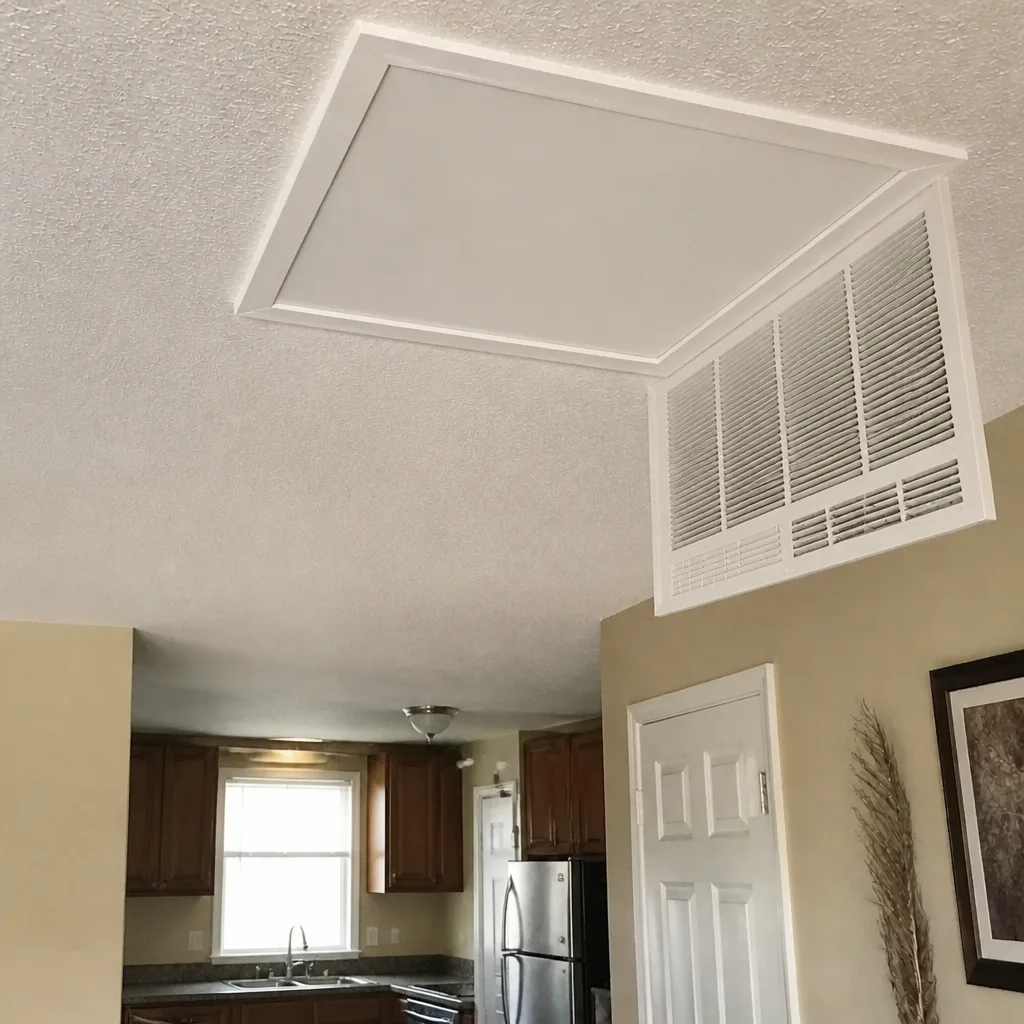 After
Frequently Asked Questions
You can clean the registers, grilles, and visible register boots with a shop vac, but you cannot clean the duct interior. A shop vac can’t reach down a trunk line, can’t scrub debris off the duct wall, and can’t generate the air volume needed to carry debris back to a collection point. Cleaning registers is a reasonable DIY task; interior duct cleaning is not.
The strongest indicators are debris blowing out of supply vents, visible coating on the return duct at the air handler, musty odors from the system, or a recent renovation that sent dust through the HVAC. Dust on the grilles alone usually means a filter and cleaning routine, not a full duct job. If you’re unsure, photograph the return surface and ask a technician to look at it before spending money.
It can, if you push tools past the register boot. Homeowners can tear duct board lining, break flex duct connections at the collars, crush flex runs in the attic, or push debris deeper into branches they can’t reach. Surface cleaning at the grille has essentially no risk. Interior work with consumer tools has real risk, which is the dividing line we’ve been pointing at throughout this guide.
Sheet metal is more durable and cleans more predictably, but its seams and joints hold debris that a homeowner can’t reach. Flex duct has a ribbed interior that traps debris in the corrugations and a liner that can tear under aggressive brushing. Neither is a good candidate for a shop vac hose. Sheet metal is the more professional-friendly of the two; flex is the one to leave alone.
Yes, for a short, straight run. A vent brush kit and a shop vac handle a short direct run, and clearing the outside hood is a quick job worth doing. For long runs, multiple elbows, vertical rises, or roof termination, professional cleaning is the safer call. Dryer vents are a documented fire risk, and a run that isn’t fully cleared is a run that’s still a risk.
There’s no single interval that fits every home, but the factors that shorten it in Midland are heavy dust, pets, recent renovation, and a system that’s never been cleaned. A practical approach is to keep the filter schedule disciplined, clean registers yourself, and have a professional evaluate the system when you notice signs that go past surface dust. Let the condition of the system set the timing, not a calendar.
The Bottom Line
The DIY versus professional question isn’t a loyalty test. It’s a question about which problem you have. Registers, grilles, boots, filter changes, and short straight dryer vents are yours to handle, and handling them well extends the life of the system. Main trunk lines, plenums, flex duct interiors, and anything with visible debris blowing into the room need rotary agitation, sustained negative pressure, and HEPA containment that consumer equipment can’t produce. If you’re past the register boot, you’re past what a shop vac can do. If you’re in Midland and unsure which side of that line you’re on, ask before you buy a tool you’ll regret using.
Call (844) 382-8255 for a free estimate. We answer 24/7. Fast dispatch from 7am to 7pm, Sunday through Friday. Honest assessment first, and if the job is one you can handle yourself, we’ll tell you that. You can also start at Duct Cleaning Midland to see the full range of what we do.
Written by the team at Duct Cleaning Midland.