
Last updated November 15, 2026
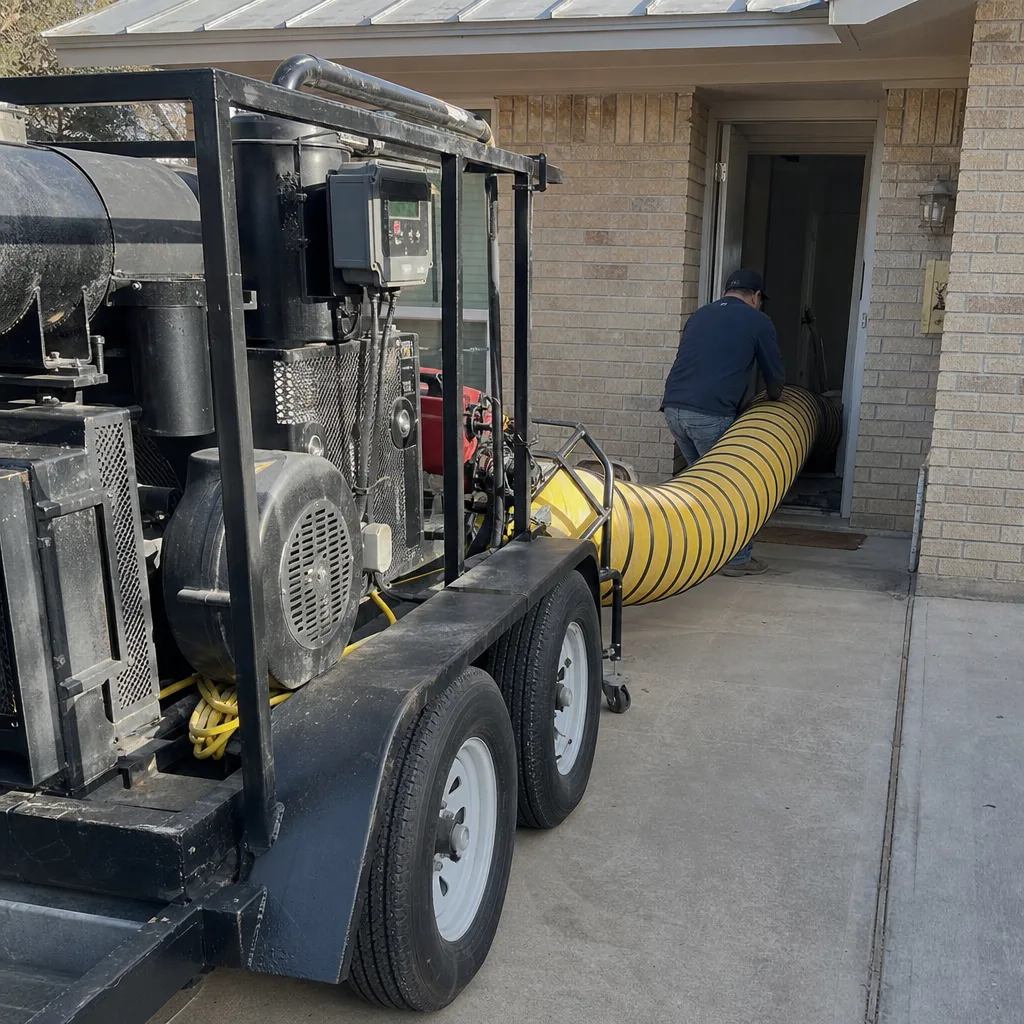
 Whole-home duct cleaning
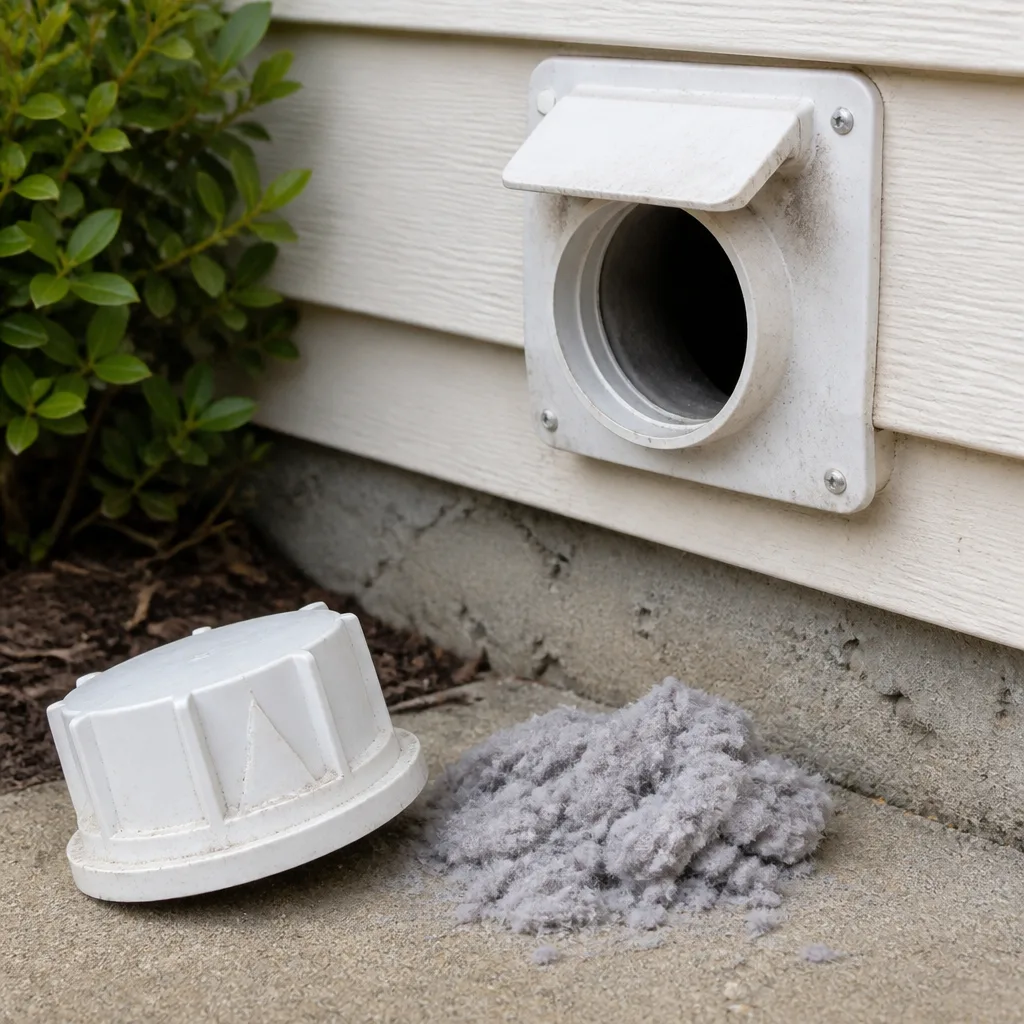 Dryer vent cleaning
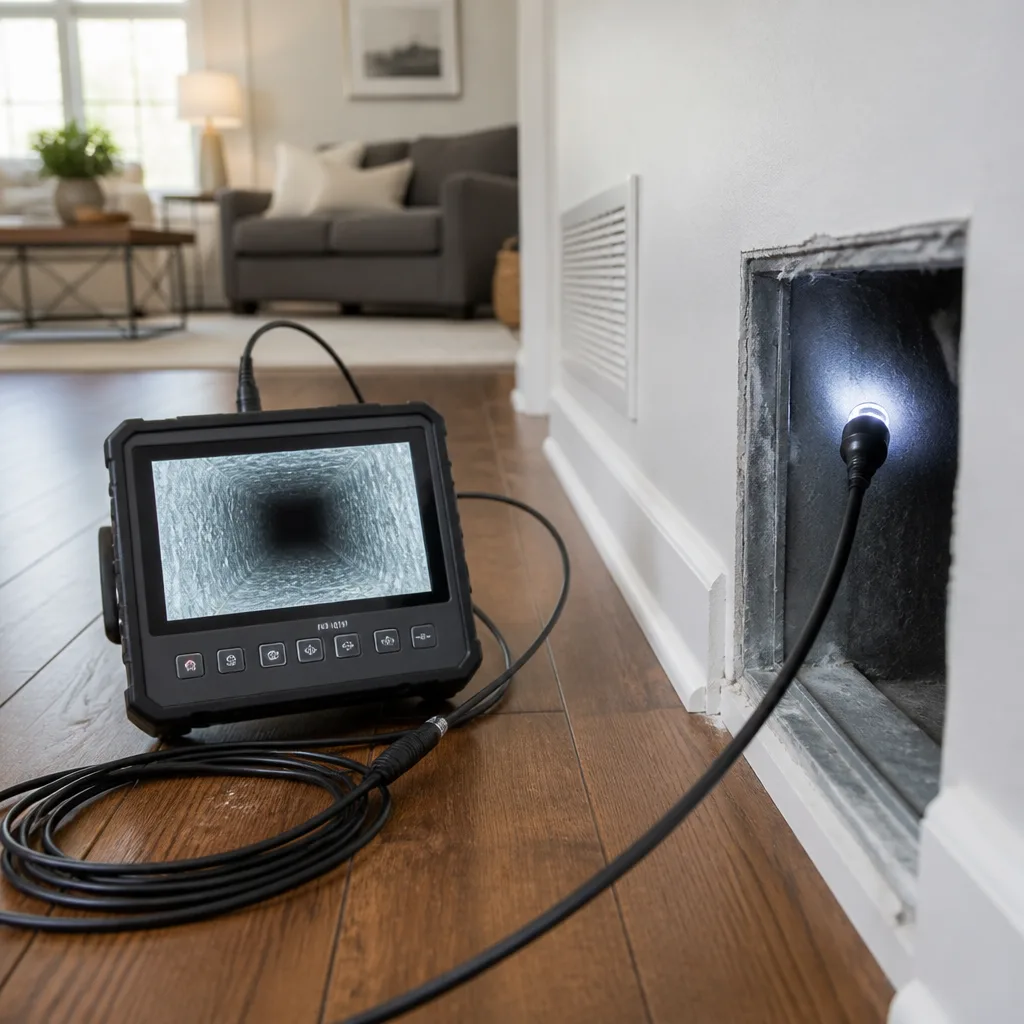 Camera inspection
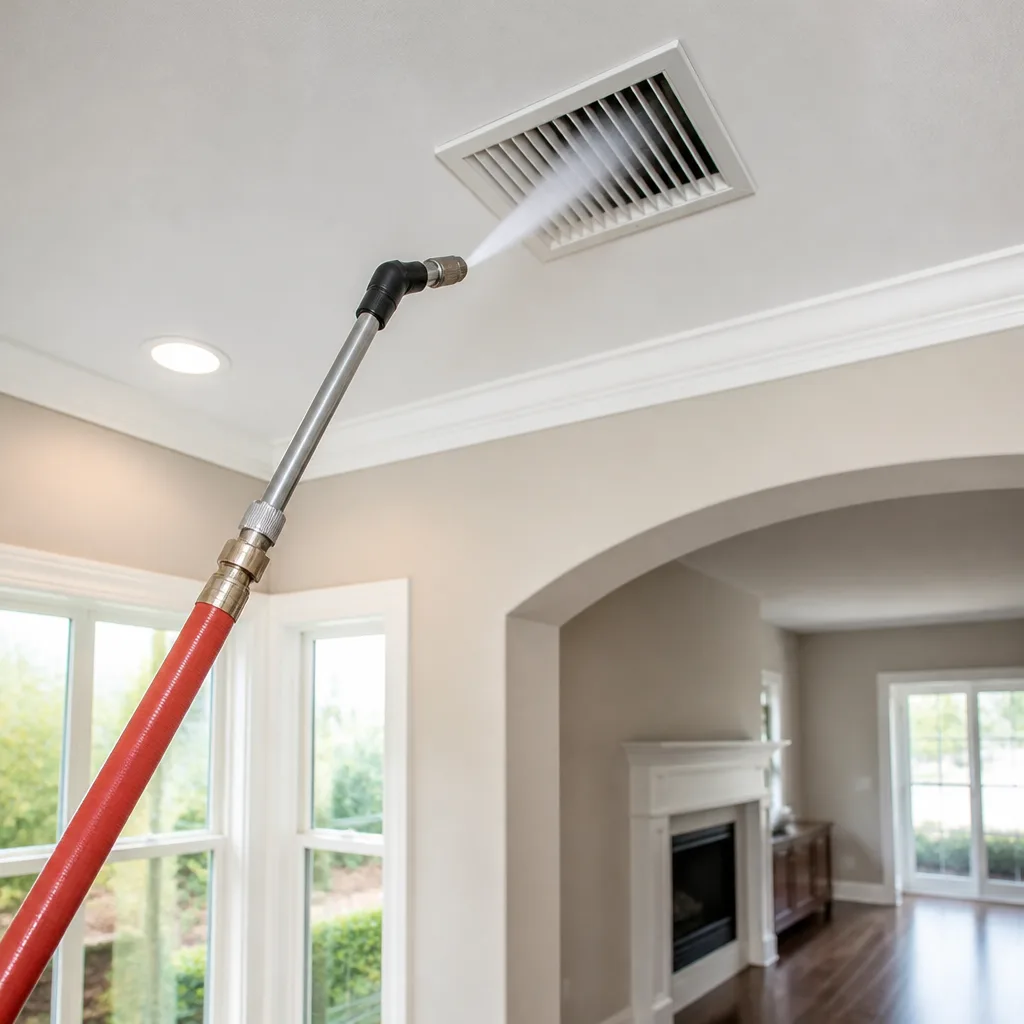 Sanitizing & deodorizing
Whole-system duct and dryer vent check with before-and-after photos - you see exactly what came out of your vents
That "$99 whole-house special" is a bait ad - the real number appears once they are in your hallway, or the "clean" is a shop-vac at the register. We photograph the inside of your ducts before and after instead.
The Complete Guide to Air Duct Cleaning in Midland
Most duct cleaning advice you’ll find online was written for houses in Ohio or Virginia, where the enemy is humidity and the furnace runs half the year. That advice doesn’t hold up in Midland. Here, the air carries caliche dust, silica, and fine oilfield particulates, and the air conditioner runs almost every month on the calendar. Ducts in West Texas don’t just collect ordinary household dust, they collect a mineral-heavy grit that cakes onto surfaces and can’t be moved by a shop vac. This guide explains what actually accumulates in Midland ductwork, what equipment it takes to remove it, and how to tell a real cleaning from a quick blow-and-go.
Quick Answer
Air duct cleaning in Midland is a source-removal process, meaning the debris is physically dislodged from the duct walls and captured under negative air pressure, not just blown into the living space. A proper job uses rotary brushes plus HEPA-rated vacuum collection, and it usually takes several hours for a whole house. If your ducts smell musty, you’ve seen dust plumes from supply registers, or an HVAC technician has shown you visible buildup, a source-removal cleaning is the right next step.
Styles & brands we work with
- Whole-home duct cleaning
- Dryer vent cleaning
- Camera inspection
- Sanitizing & deodorizing
Table of Contents
- Why Midland Ducts Get Dirty Differently
- What’s Actually in West Texas Duct Dust
- The Equipment Question: Why Suction Alone Fails
- Run-Time: Why Midland Systems Accumulate Faster
- How to Read a Pre-Cleaning Camera Inspection
- Source Removal vs. Blow-and-Go
- Duct Repair and Filtration Basics
- Dryer Vents: The Fire Risk Next Door
Why Midland Ducts Get Dirty Differently
Midland sits on the southern edge of the Permian Basin, and the air here carries things a suburban duct in a wet climate never sees. Caliche, the calcium carbonate hardpan that underlies much of the region, breaks down into a fine alkaline dust that gets kicked up by construction, wind, and unpaved margins. Silica from local soils adds an abrasive grit. And because the region is an active oil and gas field, the air also carries fine hydrocarbon and mineral particulate that settles onto surfaces over time. What that means inside your ductwork is a layer that behaves more like drywall dust with sand mixed in than the fluffy lint you’d find in a house in a wetter climate.
The practical result: that grit binds to duct walls, particularly in flex duct, where the inner liner has small ridges that hold debris. A standard vacuum nozzle can lift the lightest portion, but the compacted material stays put until something mechanically scrubs it loose. In our experience, Midland homes that look “mostly clean” from a supply register frequently reveal a dense gray film on the return-side sheet metal once a camera goes in.
This is the reason a national duct cleaning recommendation – some version of “clean every three to five years” – is only a starting point here. For a Midland home on a dusty lot near active construction or a caliche pad, the interval can be tighter. For a home with good filtration and a sealed duct system, it can be longer. The honest answer is that interval should be set by inspecting the system, not by a calendar.
What’s Actually in West Texas Duct Dust
It helps to know what you’re dealing with before you decide whether to clean. Here’s the short list of what we routinely find in Midland ductwork, and why each one matters:
- Caliche dust. Alkaline mineral powder that binds to metal and flex duct surfaces. It’s abrasive, so a poorly executed cleaning that drags grit around can actually scuff the duct lining.
- Silica. Fine sand-sized crystalline material. Because it doesn’t dissolve or break down, it accumulates. Once it’s settled into the low spots of a horizontal run, suction alone rarely moves it.
- Oilfield and construction particulate. Fine mineral and hydrocarbon-bearing dust that settles on return grilles and the return plenum. It can carry an odor as well as a film.
- Drywall and construction dust. Common in newer Midland homes and after a renovation. This is the most easily removed contaminant, but only if the debris is captured, not redistributed.
- Pet dander, hair, and lint. Standard residential contamination, aggregated in the return-side of the system, often matted against grilles.
- Biological growth in the evaporator pan area. Not something we remediate; if we see it, we’ll tell you a licensed professional in that specialty is the right call.
The takeaway: because the contaminants themselves are heavier and more mineral-dense than in typical US coastal or northern markets, the cleaning process has to be chosen for extraction power and containment, not just a wand and a hose.
The Equipment Question: Why Suction Alone Fails
Here’s the part most homeowners don’t get to see. A vacuum strong enough to pull air through a duct does not necessarily remove the debris stuck to the duct wall. Air finds the path of least resistance straight down the middle of the duct. The ring of dust clinging to the wall stays where it is unless something reaches out and touches it. That’s the reason two-stage cleaning is standard among professional remediation contractors, and it’s the reason we run a two-stage setup on every job in Midland.
Stage one is mechanical. A Rotobrush rotary brush system drives a spinning brush head through the duct run, scrubbing the walls and loosening the compacted material, including the caliche and silica grit that a vacuum can’t lift off the surface. Stage two is collection. A Nikro HEPA-rated negative-air vacuum holds the duct system under suction while the brush is running, so the loosened material goes into the collection unit instead of into your living room.
- Containment. Registers are covered and Abatement Technologies air filtration is set up in the work area to catch any airborne particulate that escapes during the process.
- Mechanical dislodging. Rotary brush heads are fed through supply and return runs, with the brush type matched to sheet metal versus flex duct.
- Negative-air collection. The HEPA vacuum maintains suction on the system throughout, capturing debris as it’s dislodged.
- Verification. A camera goes back into the same runs that were inspected before cleaning so the change is visible, not implied.
Why does this matter in Midland specifically? Because the debris in West Texas ducts is mineral-heavy and mechanically compacted. A single-tool operator with a big shop vac and a hose can make a duct look cleaner near the register while leaving the compacted ring of grit further down the run untouched. Source removal means the material is physically absent at the end of the job, not relocated.
Run-Time: Why Midland Systems Accumulate Faster
Midland’s climate is warm for most of the year. That means your air conditioning doesn’t sit idle for six months the way it does in a cold-climate house. The air handler moves air through the duct system far more hours per year here than in, say, Minnesota or upstate New York. More run-time means more dust pulled through the return, more particulate deposited on duct walls, and more opportunity for the filter to load up. None of this is a scare tactic; it’s just how the math works when the system runs more often.
What that means for a Midland homeowner:
- Air filters earn their replacement interval faster here. Check your filter monthly in summer; don’t rely on a “change it every three months” label written for a cooler climate.
- The return-side ductwork is where most of the accumulation shows up first, because that’s the low-pressure side that draws air in from the house.
- A system that ran clean in a northern home for five years between cleanings might need attention sooner in Midland, purely because the total hours of air movement are higher.
- Sealed ducts matter more here. Any leak on the return side draws unconditioned attic air, which in Midland means pulling in dust and heat.
If you’ve recently had an HVAC service call, ask the technician what the return plenum looked like. Many will tell you plainly if they saw visible buildup. That’s often the first honest signal that a cleaning is due.
How to Read a Pre-Cleaning Camera Inspection
A camera inspection isn’t a formality. It’s the only way you can see what’s actually inside your ducts instead of taking a technician’s word for it. A proper inspection walks the supply and return runs, shows you a live view of the duct interior on a monitor, and identifies where the heaviest accumulation is before any cleaning starts. If a company won’t show you the camera view before they quote, that’s a signal.
What a good pre-cleaning inspection looks like:
- The technician removes a register and inserts the camera into the branch run nearest the air handler first, since that’s where the heaviest debris usually is.
- You see live footage of the duct wall, not a still photo that could be from anywhere.
- The technician points out the difference between light surface dust (common and not automatically a problem) and compacted material or debris bridging the duct opening.
- The return plenum gets inspected as well, not just the supply side.
- You get a written scope of what will be cleaned and what the price is before work begins.
After the job, the camera goes back into the same locations. That’s the before-and-after comparison that matters. We photograph the interior of your own ducts before and after cleaning, so you have visual evidence the material is gone. If a company can’t show you the difference with your own system, “we cleaned it” is a claim, not a result.
Source Removal vs. Blow-and-Go
If you’ve collected quotes in the Permian Basin market, you’ve probably noticed the spread: one price is a fraction of another. The difference usually isn’t labor cost. It’s method. Source removal, the standard that the National Air Duct Cleaners Association describes, means physically dislodging debris and capturing it under negative pressure. Blow-and-go means using high-pressure air to push debris through the system while running minimal vacuum, which often just redistributes the contamination into the living space or deposits it further down the duct run.
How to tell which you’re getting:
- Ask what vacuum they use. A true negative-air HEPA setup (Nikro is one example) will be named on a real source-removal quote. “Commercial vacuum” without a specification is often a shop vac in disguise.
- Ask whether they use a rotary brush. Mechanical agitation with a rotating brush head (Rotobrush is the standard) is the dislodging step. Vacuum alone doesn’t do it.
- Ask about containment. A legitimate crew will set up air filtration in the work area to catch particulate that escapes during the process. If they don’t, your furniture and air quality pay for it.
- Ask about before-and-after photos of your system. A real source-removal job includes them. Blow-and-go doesn’t, because the customer would see the difference isn’t there.
- Ask whether the price is flat per system. A flat price set by written estimate before work begins is the norm for source removal. A teaser price that climbs once the technician is on site is the bait-and-switch pattern this trade is known for.
The cheapest quote in Midland is usually the one that doesn’t actually clean the ducts. It’s a fair amount of money to pay for a dust plume and a vague feeling of having done something.
Duct Repair and Filtration Basics
Cleaning a duct system that leaks or is disconnected is only half the job. Air takes the easiest path, and a disconnected flex run behind a register boot, a crushed section of flex that pinched during installation, or a return plenum with failing seams will simply pull attic air or bypass filtration entirely. Repairing those is a scope-of-work question that belongs on the same visit, not a separate contractor call. That’s why we treat duct repair as a core service rather than an upsell: if the cleaning is worth doing, the system should be sealed by the time we leave.
The filtration side matters just as much. A whole-home air cleaner, whether a Honeywell electronic air cleaner or an Aprilaire media filter setup, works only if the air is moving through the filter media as designed. We’re trained on those systems, which matters because a lot of duct cleaners don’t know what they’re looking at when they see a Honeywell power head or an Aprilaire filter cabinet. Cleaning around the equipment rather than through it is the difference between preserving the filtration setup and shortening its life. If you have Guardsman-style protective coatings on duct interiors, we work with those too.
Where a system has an Aprilaire or Honeywell filter that’s been pushed aside or bypassed, restoring proper airflow through it is usually the biggest single improvement you can make to indoor air quality in a Midland home. That’s a mechanical fix, not a promise about health outcomes.
Dryer Vents: The Fire Risk Next Door
The duct cleaning conversation usually stops at the HVAC system, but the dryer vent is a separate duct run with a specific safety consequence. Lint accumulation in a dryer vent restricts airflow, and restricted airflow raises the operating temperature of the dryer. That’s the mechanism behind a well-documented category of residential fires, and it’s the reason dryer vent cleaning is offered as a service in its own right, not a free throw-in with the HVAC work.
In our experience with Midland homes, long dryer vent runs that exit through the roof or up through an exterior wall accumulate lint faster than short runs. The exhaust has more distance to cover and more opportunity to drop lint along the way. Flexible dryer vent material, especially the corrugated foil type, catches lint in the ridges and is worse than smooth metal duct for accumulation. If your dryer takes longer than it used to for a load, or the exterior vent flap barely moves when the dryer is running, that’s a sign worth examining.
Cleaning a dryer vent is a straightforward, contained job: the vent run is brushed and vacuumed from the dryer connection through to the exterior termination, and the exterior flap and screen are checked for damaged screens and blockages. It’s usually done on the dryer vent cleaning visit alongside the rest of the work.
Common Mistakes to Avoid
- Hiring on price alone. A teaser price in the Midland market often means blow-and-go. The invoice you get when the technician is on site is what matters, not the number in the ad. Ask for a flat price per system in writing.
- Skipping the camera inspection. Without seeing the inside of your own ducts, you have no way to know what’s being cleaned. Demand the before-and-after view.
- Assuming “cleaned” means “source removed.” A vacuum hose run through each vent for a few minutes isn’t a cleaning. It’s a cosmetic pass. Ask about rotary brush and negative-air equipment.
- Ignoring the return side. The return ductwork is where most Midland accumulation lives. A cleaning that only addresses supply registers leaves the heaviest debris in place.
- Leaving leaks and disconnected runs in place. Cleaning a leaky duct system is like mopping a floor with the window open. Any gap on the return side pulls attic air straight into your living space.
- Forgetting the dryer vent. A duct cleaning that doesn’t include the dryer vent leaves a real fire-risk item untouched. If the crew you hire doesn’t offer it, ask.
- Letting the filter schedule slip in summer. In a climate where the system runs nearly year-round, filter changes earn their interval faster. A loaded filter shortens HVAC life and lets dust bypass into the ducts.
See the difference
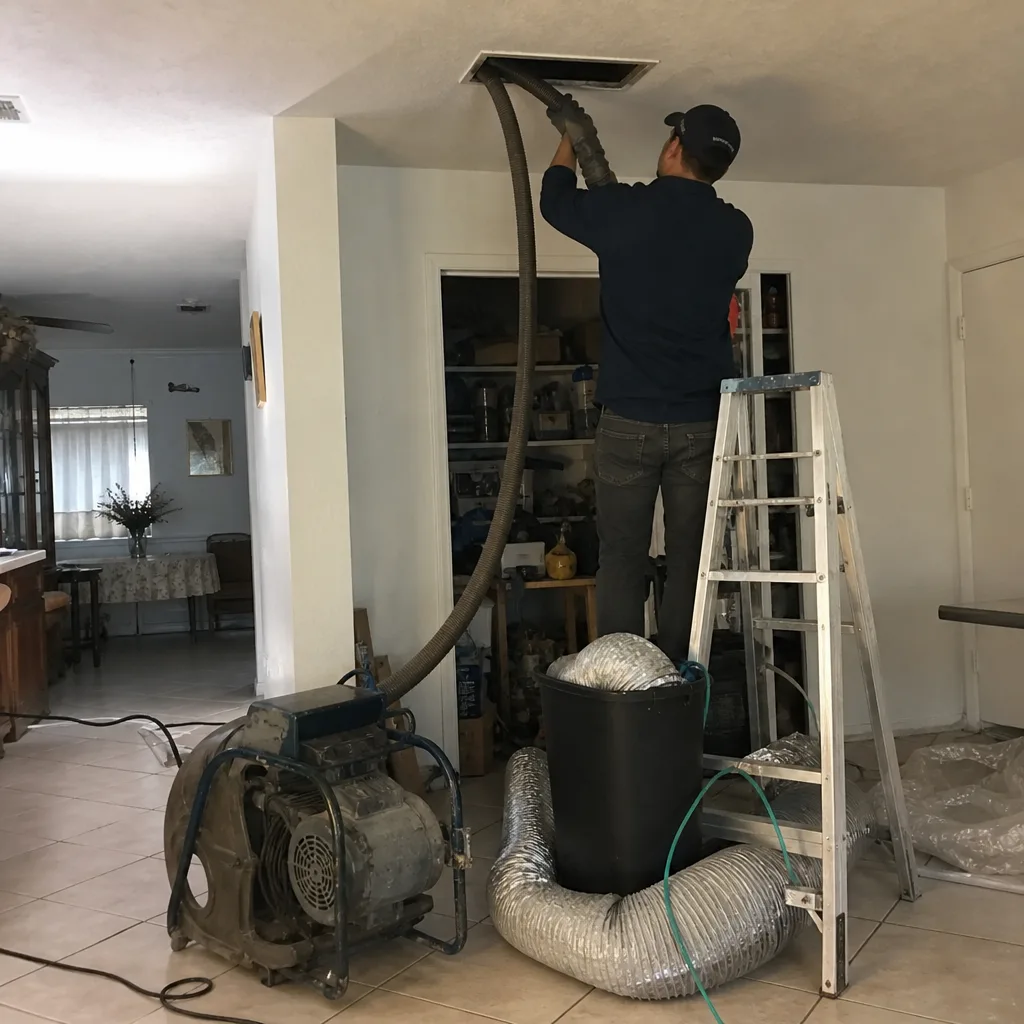 Before
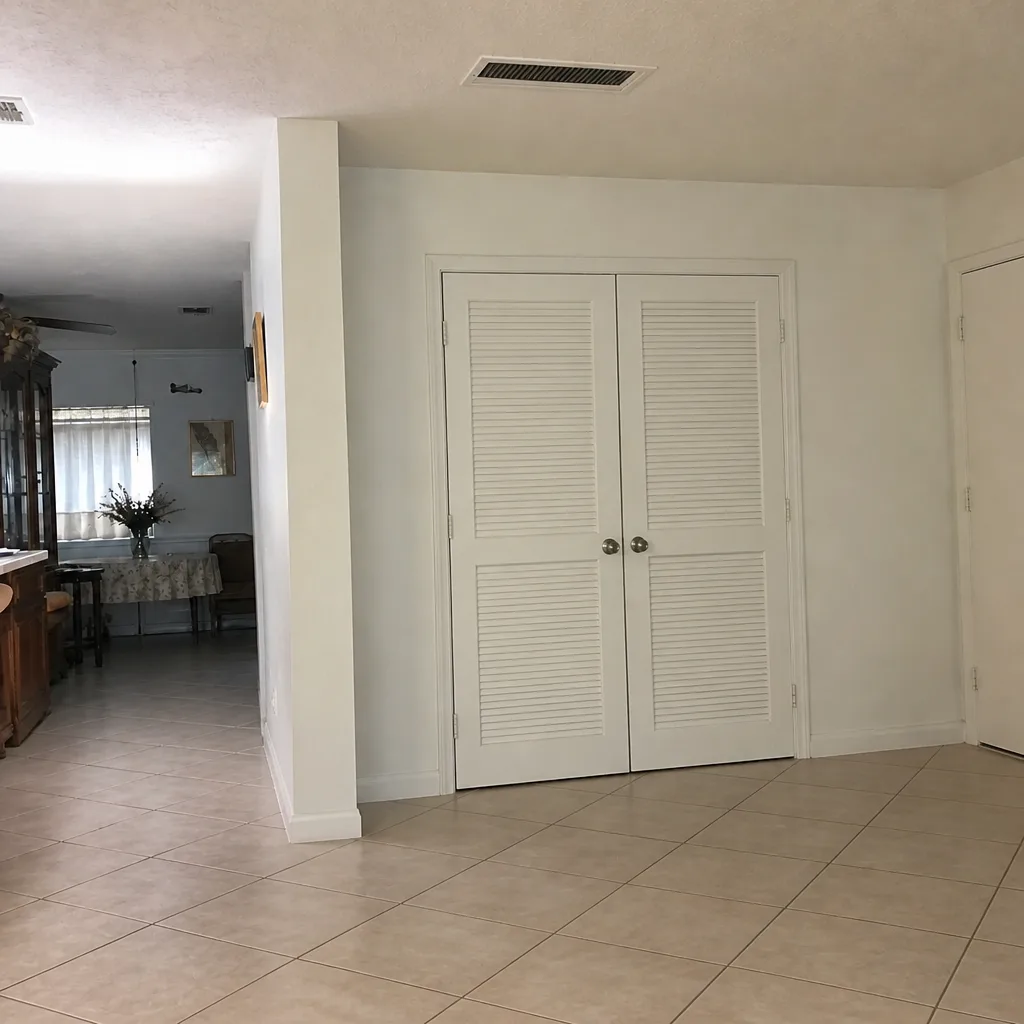 After
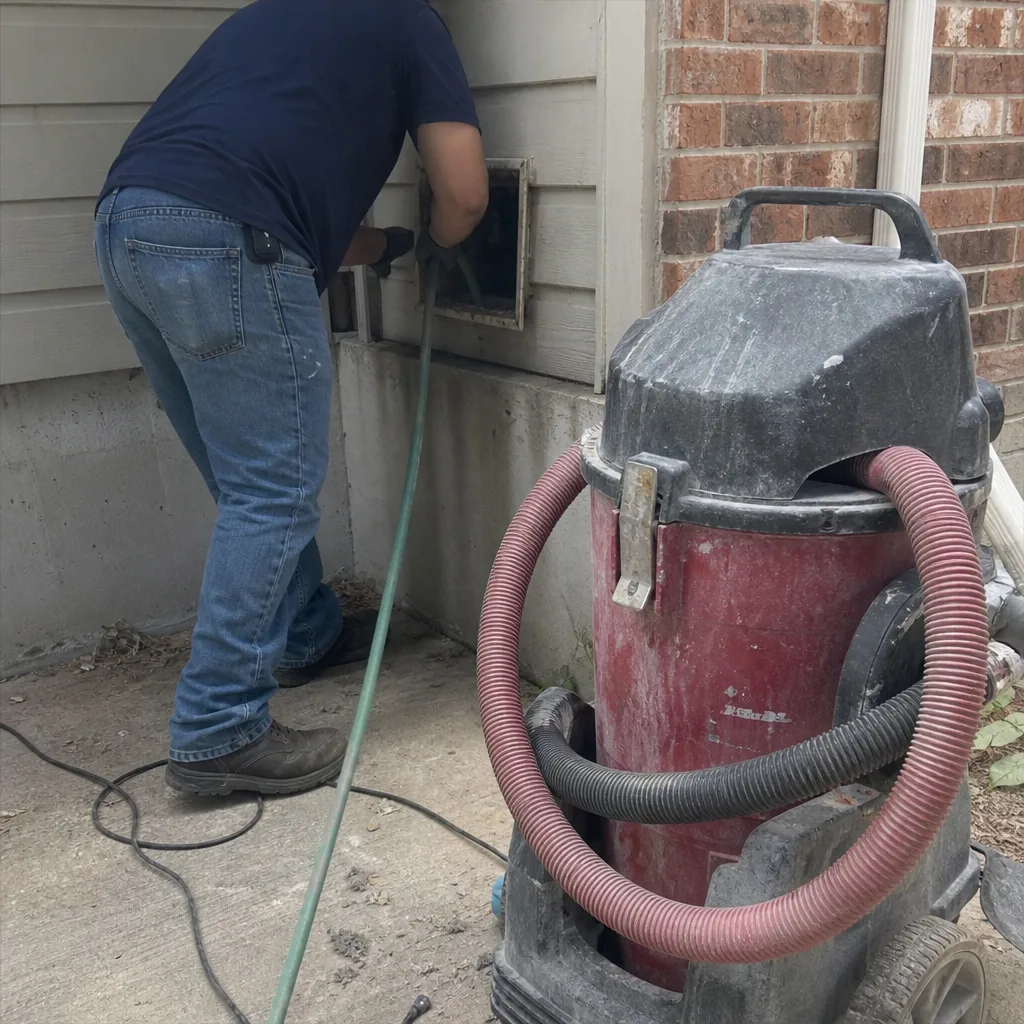 Before
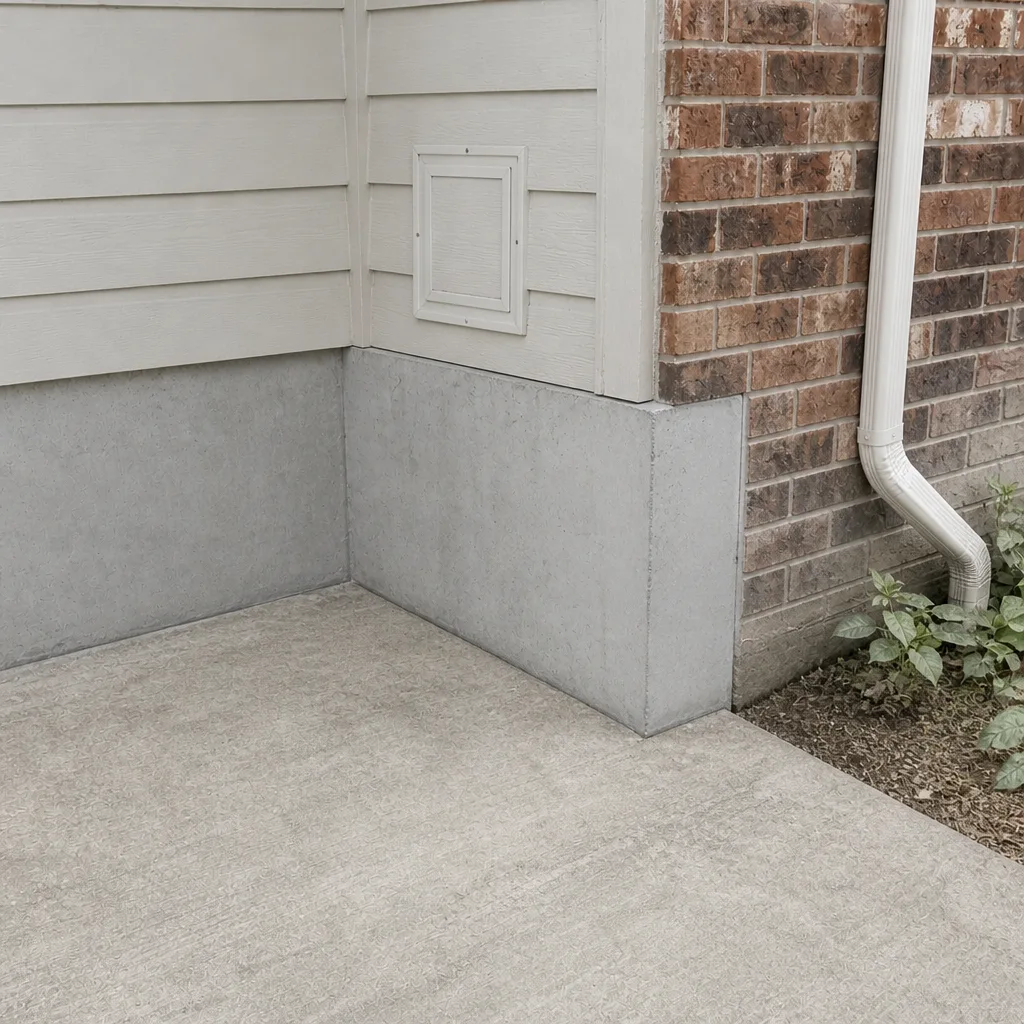 After
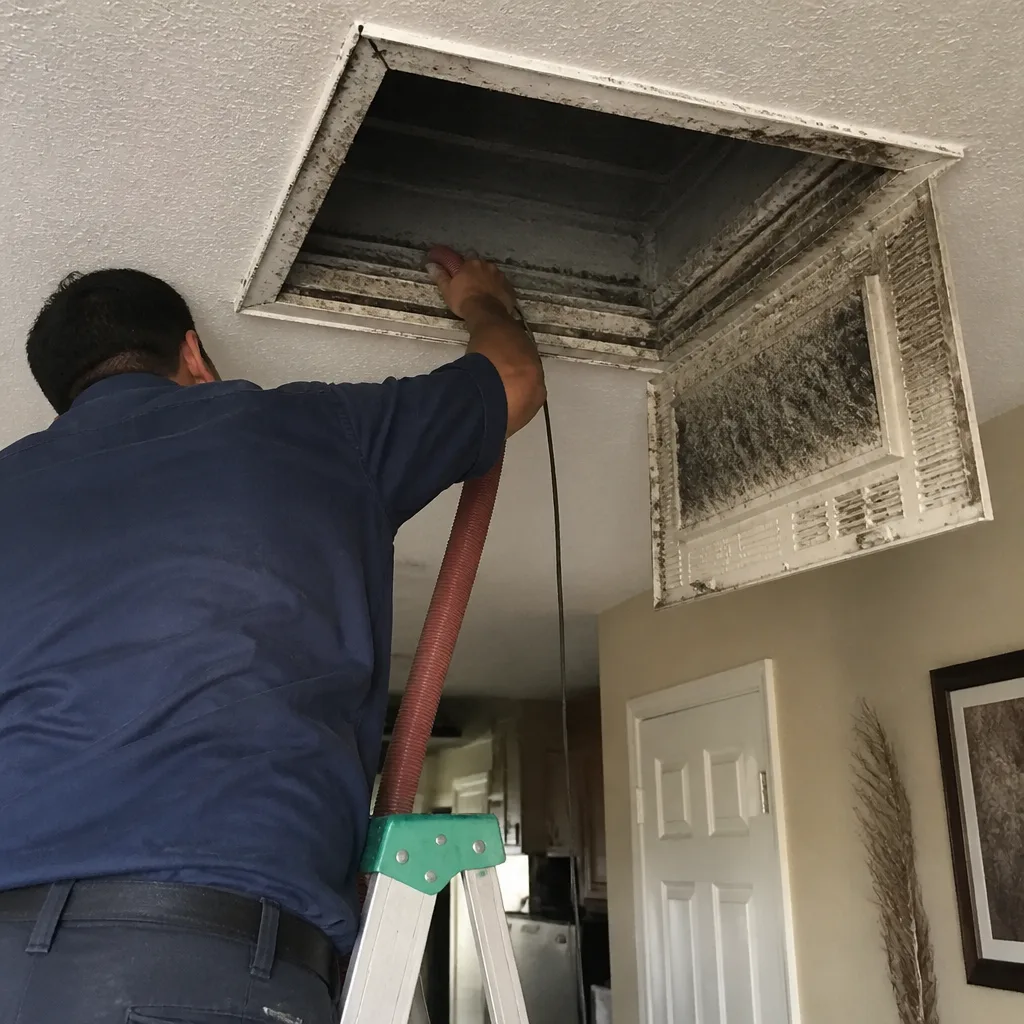 Before
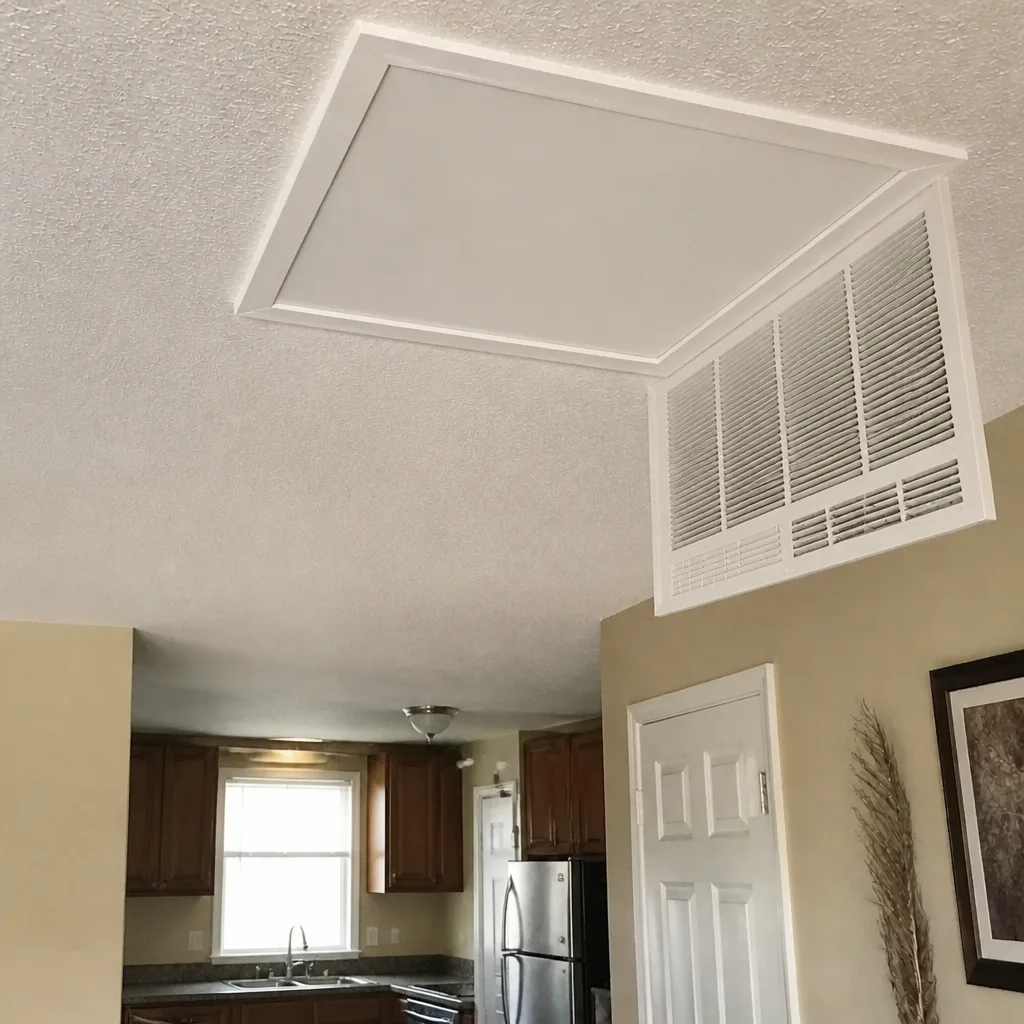 After
When to Call a Professional
Some duct issues are obvious enough to call about straight away. If every supply register produces a visible dust plume when the system kicks on, if the return grille has a matted gray layer you can scrape with a fingertip, if there’s a persistent musty smell that doesn’t come from a specific room, or if a recent HVAC technician has flagged visible buildup in the return plenum, those are clear signals. The same goes for a dryer that’s taking noticeably longer to dry a load or an exterior vent flap that barely moves.
Less obvious cases deserve an inspection rather than a guess. A home that just had renovation work, a home you’ve recently purchased where you don’t know the last cleaning date, and a house near active construction or caliche work all fall into that category. Duct Cleaning Midland offers free estimates in Midland – call (844) 382-8255. We answer 24/7. Fast dispatch from 7am to 7pm, Sunday through Friday.
Frequently Asked Questions
Air duct cleaning in Midland is priced per system rather than per vent, so the total depends on the number of systems and the amount of accumulation found during inspection. A written estimate given before work starts sets the final price, and there’s no teaser number that climbs once a technician is on site. If a quote you receive from anyone looks unusually low for the scope, ask what equipment and method it covers. Call (844) 382-8255 for an exact quote – estimates are free.
Cheap quotes usually reflect a different method, not a lower margin. Blow-and-go cleaning uses compressed air to push debris through the system with minimal collection, so the visible dust near a register can look gone while the material is still in the ducts or now in your living space. Source removal requires rotary brush equipment and a HEPA-rated negative-air vacuum, which costs more to run. The two are not the same job at different prices. Call (844) 382-8255 if you’d like a straight answer on what a proper source-removal job costs in Midland.
You should see before-and-after photos of your own duct interior, taken from the same camera positions. A source-removal job with a camera should be able to demonstrate the change; if a company can’t, the claim is unverified. We photograph every system we clean for that reason. Call (844) 382-8255 to schedule an inspection and see the difference on your own system.
There’s no fixed calendar interval. Midland’s year-round HVAC run-time and mineral-heavy dust mean accumulation builds faster than in cooler climates, but the right interval depends on your specific system, filter quality, and whether the ducts are sealed. The reliable way to know is a camera inspection that shows the actual condition of the duct walls. Call (844) 382-8255 to schedule one; estimates are free.
Yes, and the cleaning has to be done around the filtration equipment rather than through it. Both Honeywell electronic air cleaners and Aprilaire media filter cabinets are designed with specific airflow paths, and a crew unfamiliar with the equipment can inadvertently bypass a filter or damage a component. Our technicians are trained on both, and we use Abatement Technologies air filtration in the work area to contain particulate during the job. Call (844) 382-8255 with your equipment details for an estimate.
In most cases, yes. Air duct repair is a core service, not a referral to another contractor. Disconnected flex runs, crushed sections, failing seams, and return plenum leaks are all within scope on the same visit as the cleaning. That closes the loop: a cleaned system that still leaks will just pull attic dust back into the ducts. Call (844) 382-8255 to describe what you’re seeing and we’ll set the right scope.
The Bottom Line
Duct cleaning in Midland isn’t a generic maintenance item. The local air carries caliche, silica, and oilfield particulate that behaves differently than the dust a national cleaning guide describes, and the year-round HVAC run-time means the accumulation is faster. The only cleaning method that actually addresses it is source removal: mechanical agitation with a rotary brush plus HEPA-rated negative-air collection, with containment set up in the work area and camera verification before and after. Anything else is cosmetic. That’s the whole reason we run Rotobrush rotary brushes and Nikro negative-air vacuums on every job, and why air duct repair and dryer vent cleaning are part of the same service rather than separate add-ons. If you want to see what’s actually in your ducts before you decide, start with an inspection. The air duct cleaning team at Duct Cleaning Midland is ready to help when you are.
Contact Us
If you’ve read this far, you probably already suspect there’s something to look at. Call (844) 382-8255 for a free estimate of duct cleaning in Midland. We answer 24/7, with fast dispatch from 7am to 7pm, Sunday through Friday. You’ll get a written estimate with a flat price per system before any work starts, a camera inspection of your own ducts before and after, and a crew that treats repair as part of the job rather than a second appointment. Our technicians have up to 8 years of experience, and if you want to see more of what we do, start with Duct Cleaning Midland or read more about the Midland area.
Written by the team at Duct Cleaning Midland.